Online Reporter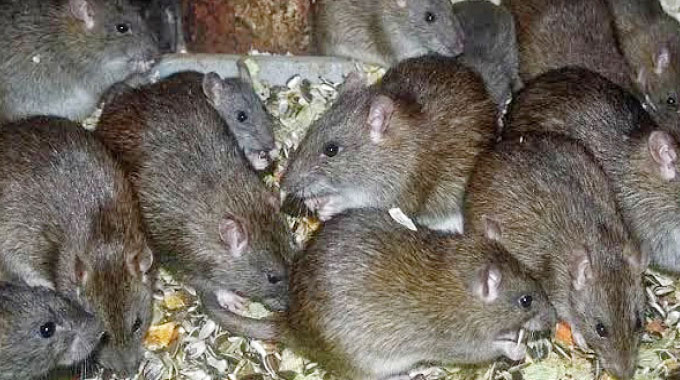
Peter Matika,Senior Reporter
BULAWAYO City Council’s (BCC) fight against rodents and disease-carrying pests has been severely weakened by acute shortages of chemicals and manpower, raising fears about the city’s ability to respond effectively to potential public health threats.
The local authority has suspended servicing of its rodent belt, a critical component of its pest management strategy, after running out of essential chemicals and lacking sufficient personnel to carry out routine operations.
The development comes at a time when local authorities across Zimbabwe are intensifying disease prevention efforts amid growing concerns over environmental health challenges, illegal dumping and the risk of vector-borne diseases.
According to the latest council report, stocks of key chemicals used for mosquito control, fumigation and rodent eradication have either been completely depleted or remain critically low, leaving health officials struggling to maintain essential pest control services.
“Servicing of the rodent belt remains suspended due to shortage of manpower and chemicals,” reads part of the report.
The report notes that procurement processes are underway to replenish supplies, although no timeline has been given for when full operations will resume.
Among the chemicals that are presently out of stock are Bacillus Thuringiensis Var Israelensis (BTI), aluminium phosphate tablets, Vapona, Dibrom, paraffin, sodium hypochlorite and Alcosan sanitiser.
Some of these chemicals play a critical role in mosquito larval control, fumigation and environmental sanitation programmes that are central to preventing disease outbreaks.
Despite the shortages, the council’s pest control section investigated four malaria cases during the reporting period, all of which were imported from Binga and Lupane districts.
Health officials also cleared more than nine kilometres of streams across the city where mosquito breeding sites were identified.
Council said mosquito breeding, ranging from light to heavy infestations, had been detected in several streams, necessitating treatment with the limited larvicides remaining available.
However, officials admitted that ongoing interventions are being constrained by resource shortages.
“The city received three rodent-related complaints during the month, all of which were attended to, while eight out of nine requisitions for pest control interventions involving rodents, cockroaches and termites were addressed using available resources,” reads the report.
The shortages have raised concern among councillors and public health experts, particularly as Bulawayo continues to be on alert for communicable diseases and continues to battle environmental health challenges linked to waste management and illegal dumping.
City health director Dr Edwin Mzingwane warned that disruptions to routine rodent and pest control programmes can have serious public health consequences.
“Interruptions to routine pest and rodent control programmes can increase the risk of infestations and create conditions that are favourable for the spread of diseases,” he said.
Dr Mzingwane said council is working to replenish stocks and restore full pest control operations.
He said maintaining effective vector control programmes remains critical in safeguarding public health.
Over the years, Bulawayo has strengthened surveillance and prevention measures against vector-borne diseases, with routine stream clearing, mosquito breeding control and rodent management forming an integral part of the city’s environmental health strategy.
However, the latest report highlights the growing pressure facing municipal health services as local authorities grapple with constrained budgets and increasing operational costs.
The challenges come as the Government under Vision 2030 and the National Development Strategy 2 (NDS2) continues to prioritise improved healthcare delivery, disease prevention and stronger public health systems as key pillars of national development.