Online Reporter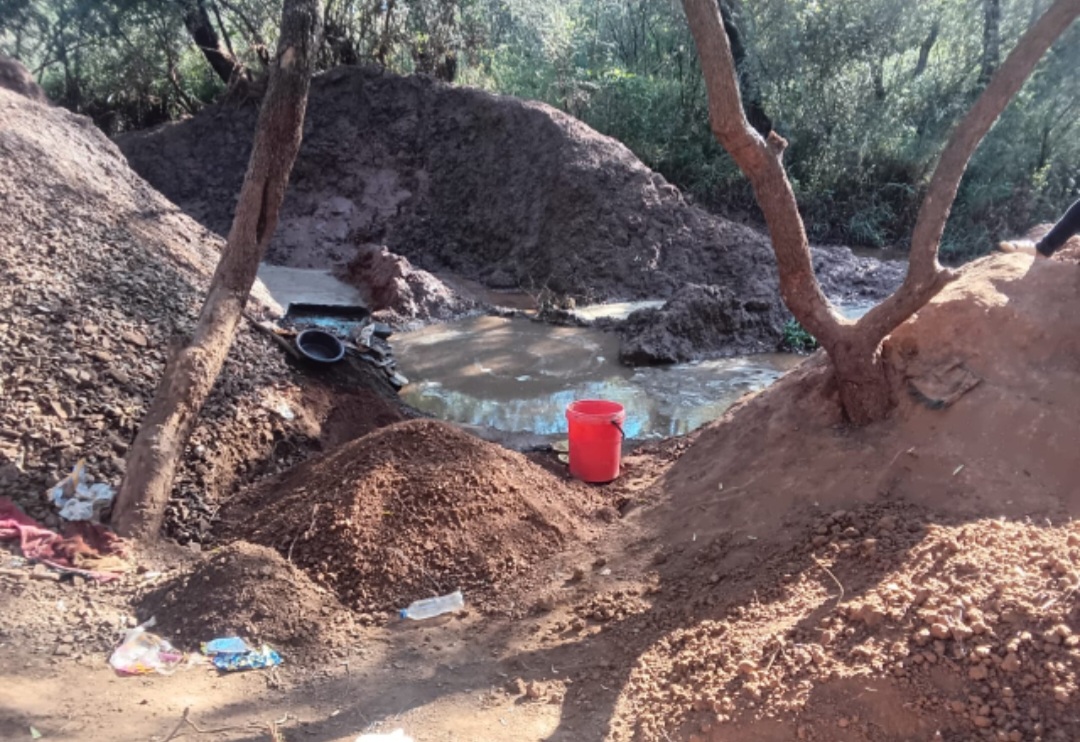
Vusumuzi Dube, Deputy Radar Editor
THE City of Bulawayo has raised alarm over potential environmental, health and safety risks posed by mining activities near the Emhlangeni Phase 1 and 2 housing development project, warning that ground instability, blasting vibrations, dust pollution and public safety hazards could threaten residents and infrastructure if left unchecked.
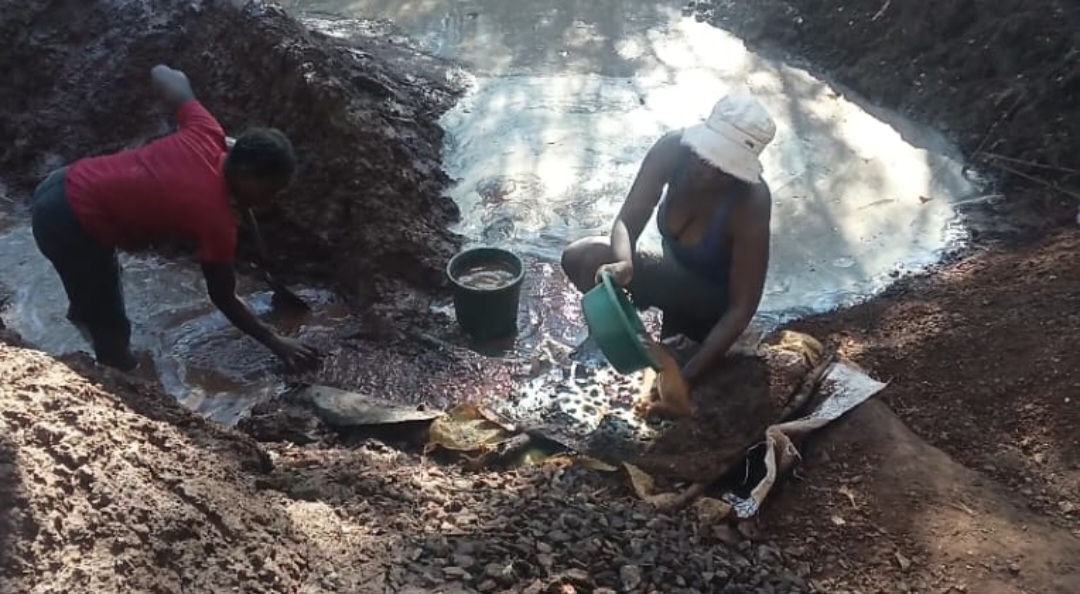
The concerns come as the local authority embarks on an Environmental Impact Assessment (EIA) process that will determine the extent of the risks and recommend appropriate mitigation measures before development works can resume.
Responding to questions from Zimpapers, Bulawayo City Council (BCC) Corporate Communications Manager Mrs Nesisa Mpofu said while council is aware of mining activities in the vicinity of the housing project, the operations are not taking place within the actual boundaries of Emhlangeni Phases 1 and 2.
“There are no miners that were removed that the city is aware of, however, as the local planning authority we will not hesitate to remove any illegal miners within the area,” said Mrs Mpofu.
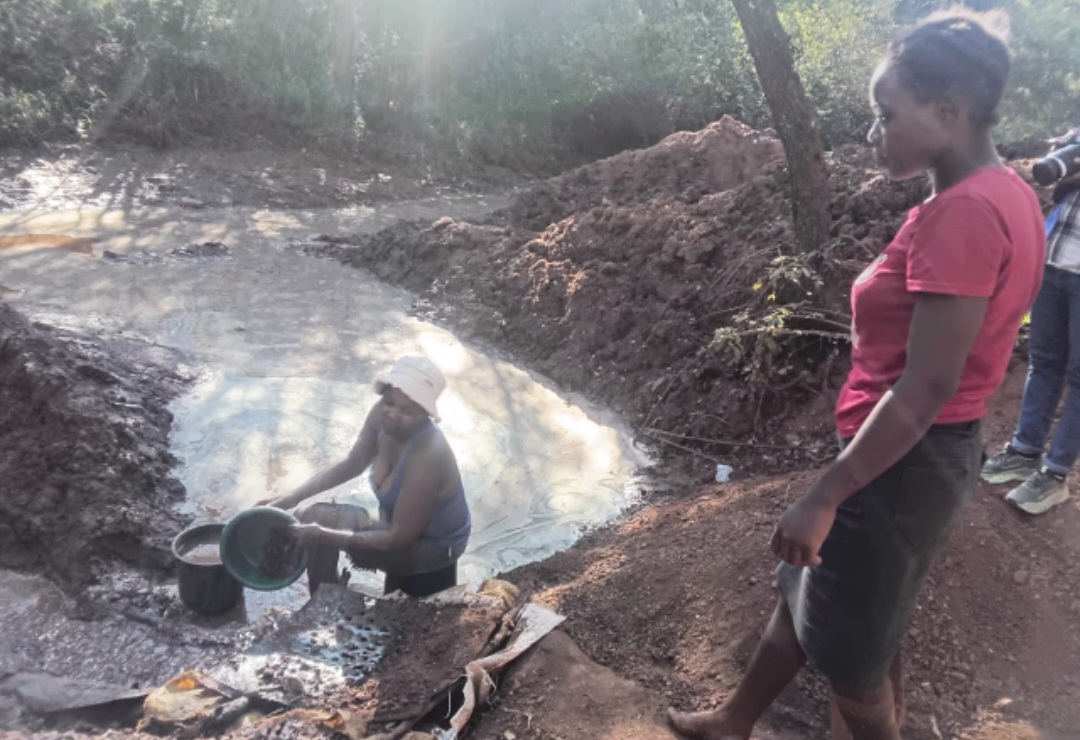
She said council’s primary concern is the potential impact of nearby mining activities on both existing residents and the proposed residential development.
Among the risks identified by council are ground instability and subsidence arising from excavation and underground mining activities, which could compromise the structural integrity of houses, roads and other infrastructure.
Mrs Mpofu said blasting vibrations associated with mining operations could also damage homes and public infrastructure while causing discomfort to residents.
Council is equally concerned about dust emissions from mining and haulage operations, which could negatively affect air quality and contribute to respiratory illnesses.
Other potential impacts include noise pollution from mining equipment and transport activities, increased traffic from heavy vehicles, public safety hazards linked to open pits and excavations, as well as land-use conflicts between mining and residential developments.
“The City of Bulawayo believes that the mining activities pose several potential environmental, health, and safety risks to both existing residents and the proposed housing development,” said Mrs Mpofu.
She said comprehensive environmental, social and geotechnical assessments were necessary to fully evaluate the potential impacts and support informed decision-making.
Council recently invited bids from environmental consultants to undertake an Environmental Impact Assessment for the Emhlangeni residential development in line with Environmental Management Agency (EMA) requirements.
Mrs Mpofu said stakeholder consultations would form a key component of the assessment process.
“Residents, property owners, community representatives, government agencies, and other interested and affected parties will be afforded an opportunity to provide input, raise concerns, and make recommendations,” she said.
The assessment will examine the effects of mining activities on residents, public infrastructure, water resources, air quality, noise levels, traffic management, ground stability and the overall suitability of the area for long-term residential development.
Council revealed that works at Emhlangeni were suspended following a directive from EMA to allow for the commencement and completion of the EIA process.
The project has also been affected by funding constraints after available resources, which are derived from top-up contributions by stand beneficiaries for infrastructure development, were exhausted during the third quarter of 2025.
Mrs Mpofu said the EIA process is expected to take approximately three months from June 1, 2026, subject to procurement and consultant engagement timelines.
“The works were suspended following a directive from the Environmental Management Agency (EMA) to allow for the commencement and completion of the Environmental Impact Assessment (EIA) process. Progress was further constrained by a lack of funding,” she said.
She added that any future action regarding the mining activities would depend on the findings of the Environmental Impact Assessment.
“The EIA will inform on any negative impacts and provide probable solutions and mitigatory measures. Action to be taken will now hinge on the outcome of the EIA,” said Mrs Mpofu.