dyton mupawaenda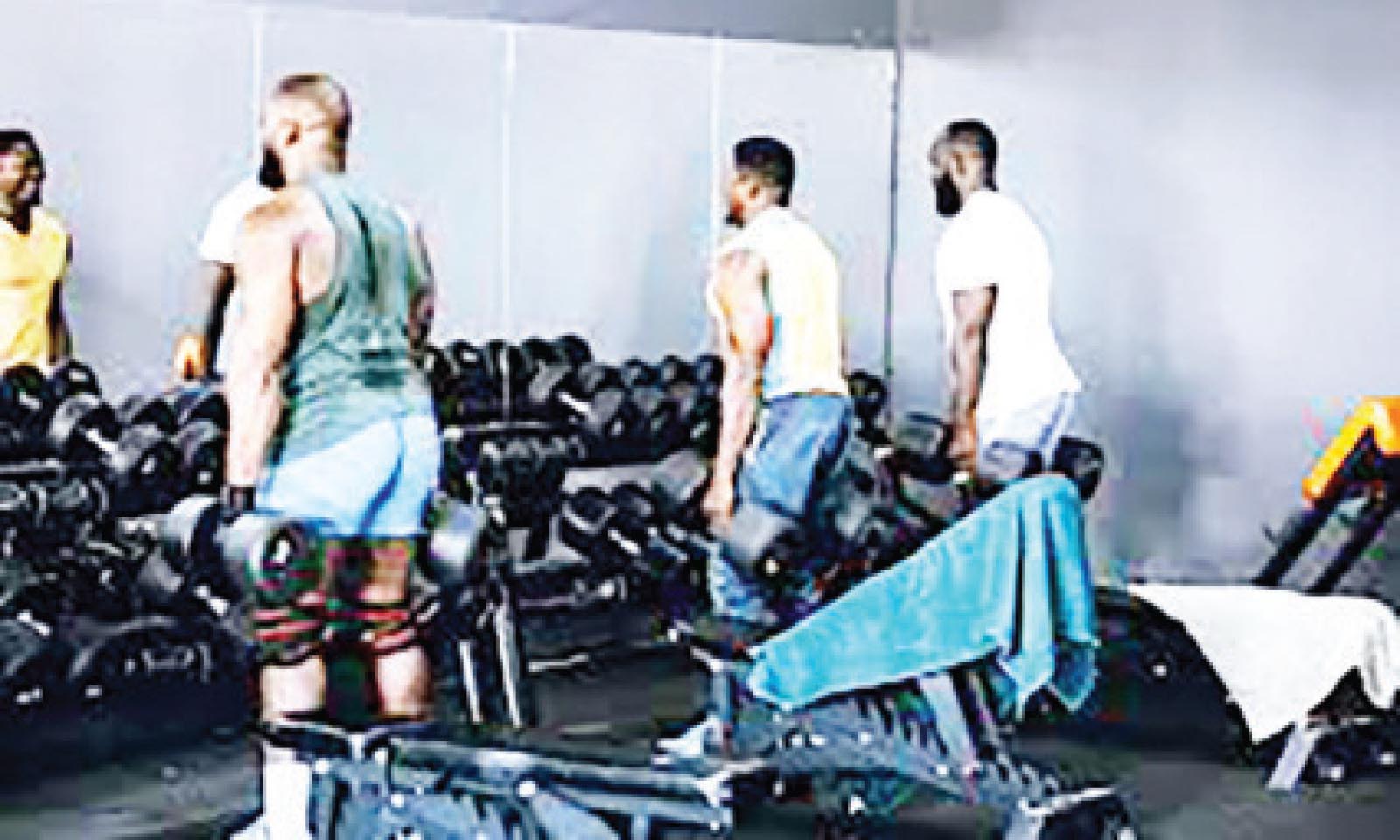
Coach Jason-Fitness Correspondent
Safety in the gym is one of the most important factors to consider before starting your workout. It is very important to ensure that all bases are covered when it comes to gym safety, this reduces the risk of injuring yourself or others, as well as ensuring that you complete your workout on time without any hindrances.
Gym safety can best be split into 3 main categories, that is clothing, equipment, and exercise form.
1. Clothing Safety
Wearing appropriate clothing for the gym ensures that you’re comfortable throughout your workout.
Choosing the right workout clothes and accessories, on the other hand, can wick away sweat, smell-less, display movements clearly, and protect sensitive skin. Before you lace up your old sneakers or pull on your college T-shirt, let’s figure out what NOT to wear to the gym!
Cotton — Avoid clothes made of 100 percent cotton. Cotton absorbs moisture and is slow to dry. That excess moisture weighs you down and can cause chills, skin breakouts, and an increase in chafing. Instead, wear quick-drying synthetics and moisture-wicking fabrics to draw water away from the skin for optimal evaporation. Whatever fabric you choose, retire it if it begins to take on an odour of its own… there’s a “shelf-life” on things that you soak with sweat regularly.
Baggy or Tight Clothes — Wearing clothing that is excessively baggy in the gym can be a safety hazard. Extra fabric can easily get caught in machines, or be tripped on. Your trainer or group exercise instructor will have a hard time seeing your body alignment and form when you’re draped in a baggy pair of sweats or T-shirts. If your alignment and form are incorrect, you subject yourself to injury. You don’t have to wedge yourself into an all-spandex outfit, but ditching the big clothing for more form-fitting gear will ultimately make you more comfortable! If you’re doing a class like Yoga or Pilates, baggy clothing can be more revealing, exposing your stomach, and upper thighs during certain poses. Wear close-fitting items that won’t expose more than you’d like in those classes. For anyone who likes a looser-fitting short, wear compression shorts underneath to avoid showing more than you’d like.
Ladies — A good sports bra is the ‘foundation’ of a great workout! We all come in different shapes and sizes, but regardless of size, a great sports bra protects the ligaments and tissues in your chest from excessive stretching or stress so you can train hard without worries.
2. Equipment Safety
Exercise using fitness equipment provides numerous benefits, but it also has an inherent risk of injury. There are potential safety concerns that may arise when using exercise equipment and fitness accessories. Here are some pointers for maximum gains and minimum risk of injuries:
Use equipment wisely — You must know how to use the exercise equipment to avoid any injuries. Misuse or overuse of equipment contributes to a high percentage of injuries in the gym.
If you are not sure, ask for help — If you don’t know how to use the equipment, it’s better to swallow your pride and ask somebody than try it yourself and get injured. If you ask for an experienced member or fitness professional at your gym, you might get to learn a thing or two.
Use a spotter or gym partner — A spotter or a gym partner keeps you safe while training. When you are lifting heavy weights for exercises like bench presses or squats, it is mandatory to have a spotter. A spotter will check your form and also make sure that you are not setting yourself up for an injury.
Clean equipment before and after use — Be sure to clean the equipment before you use it. Remove the dust if it hasn’t been used for a while. Always remember to wipe off any sweat after your workout. If you spill water on the floor, quickly wipe it off as it could pose a slipping hazard for you and the others.
3. Exercise from safety
This is one of the most important safety factors to look out for as it may not only increase the risk of injury if compromised, but it may also hinder your progress towards reaching your fitness goals. Here are some tips to ensure safety as well as maximum gains:
Warm Up — It’s important to prepare your body for what you are about to put it through. If you are working on cardio machines like the treadmill, ensure that you start slow and gradually build up speed. If you’re planning for a HIIT (high-intensity interval training) workout session, start with a light jog. If you are weight training, put your body through the motions using light weights, so your muscles are triggered to get engaged. Don’t forget to finish the workout with a session with some stretches to cool down your body.
Consider your health and fitness history — When deciding if any exercise is safe, you need to consider the technique used as well as your condition, such as injury history and fitness level. Be guided by a qualified fitness instructor. If you have a pre-existing injury or medical condition, consult a sports medicine doctor, exercise physiologist, or physiotherapist.
Respect your physical limitations — Don’t rush into lifting heavy weights when you are not ready to handle them. If you are new to weights, you might overdo it without using the correct form and technique, potentially giving a reason for an injury. Take the help of a spotter to test your strength with a calculated rep scheme, and improve your form to be healthier and fitter in the long run.
Coash Jason is from Invictus Fitness and Gym, Westgate



 Online Reporter