Online Reporter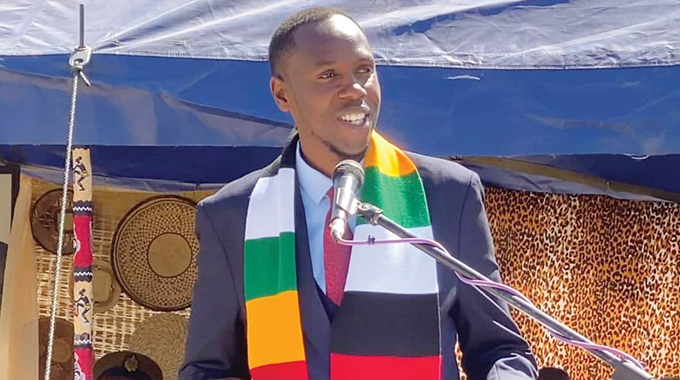
Rutendo Nyeve, Victoria Falls Reporter
THE Government has called on traditional leaders to take a leading role in combating drug and substance abuse, ending child marriages, and promoting education and gender equality, while serving as a vital link between communities and the state.
Deputy Minister of Local Government and Public Works, Albert Mavunga, made the remarks during the installation of Chief Mvuthu in Victoria Falls on Friday.
He highlighted the growing threat of drug and substance abuse, particularly among young people, and urged traditional leaders to spearhead awareness campaigns and community-based interventions.
“Allow me to say that one of the most pressing challenges we face today is drug and substance abuse. This scourge affects individuals, families, and our community as a whole, especially the younger generation.
“I urge our youths to desist from drug and substance abuse, which has become a growing menace in society, causing learners to drop out of school, enter into early marriages, and experience teenage pregnancies,” said Deputy Minister Mavunga.
The Deputy Minister called on the newly installed Chief Mvuthu to lead efforts in educating communities about the dangers of substance abuse, working with local organisations to provide support, and fostering unity to resist the lure of drugs.
Turning to child marriages, he described the practice as a violation of children’s rights, particularly those of girls, who are often denied education and forced into early unions.
“As we install our new Chief, we must also acknowledge the pressing issues that require our collective attention. One such critical matter is child marriage — a harmful practice that denies children, especially girls, their right to education, health and a childhood.
“As chiefs, you play a vital role in shaping community norms and values. I urge you to lead by example, advocate against child marriages, and promote the importance of education and gender equality,” said Mavunga.
He stressed the importance of collaboration between traditional leaders, Government and civil society to create an environment where children can thrive and contribute to national development.
Deputy Minister Mavunga also underscored the Second Republic’s commitment to supporting traditional leadership in preserving cultural heritage while addressing modern challenges, including the negative influence of social media.
“The Second Republic remains committed to supporting traditional leadership in its efforts to promote the well-being of all Zimbabweans. Traditional leaders are thus faced with the task of promoting and preserving our cultural heritage against emerging social ills.
“In this regard, I wish to warn our learners here present today against falling prey to the negative effects of social media, which threaten our values of Ubuntu and patriotism, by promoting foreign narratives, hate and disunity,” he said.
The Deputy Minister further outlined the broader responsibilities of chiefs, which include conflict resolution, community representation, and mobilising participation in development programmes.
“As a chief, your duties will extend beyond ceremonial roles. You will be expected to lead by example and demonstrate integrity, wisdom, and a commitment to the well-being of your community.
“You must resolve conflicts and use your wisdom and authority to maintain peace within the community. You must also represent your community and advocate for the needs and interests of your people at local, regional and national levels,” he said.
He emphasised that chiefs serve as a crucial bridge between the Government and the people, ensuring that communities are informed about Government initiatives and actively participate in development projects.
“Chiefs, as community leaders, you are the bridge between the Government and the people. Your role will involve communicating Government initiatives and ensuring that your community is informed about Government programmes and services.
“You must mobilise community participation and encourage active involvement in community development projects and initiatives. You must also provide guidance and offer support to community members, especially the vulnerable and marginalised.”