malvernmugadzikwa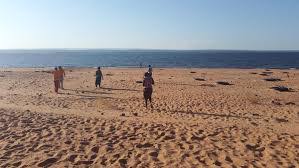
A couple of African paradise islands have been on the radar of avid world travellers for some time.
Mauritius and the Seychelles are bucket list honeymoon locations, while the Canary Islands and Tunisia’s Djerba island rank as two of the most popular holiday destinations in all of Africa.
For those who want to avoid the crowds and discover some place new, Africa also boasts some “almost famous” islands with awesome beaches, unique wildlife, and amazing outdoor adventures on both land and sea.
Here are some of those places:

Have you ever dreamt of discovering a secluded paradise far away from the hustle and bustle of everyday life? A place where expansive waters meet white sand? Visit Binga Beach, nestled along the shores of Lake Kariba in Zimbabwe.
With its peaceful scenery, Binga Beach is truly a hidden gem waiting to be discovered. Whether you prefer relaxing on the beach, doing a spot of fishing, or exploring the nearby attractions, Binga Beach has something for everyone.
Getting there: Binga district is reachable on a tar road, right off the main road leading to Bulawayo, Victoria Falls.
Pemba (Tanzania)
It doesn’t exude the exoticism of nearby Zanzibar, but the large Tanzanian isle outshines its neighbour when it comes to pristine, palm-shaded beaches and out-of-this-world diving.
Pemba’s 30 plus dive sites are celebrated for its healthy coral gardens with an abundance of macro creatures, sheer underwater walls that plunge into the black, and offshore waters with large pelagic fish and migrating humpback whales in July and August.
Getting there: Slow, intermittent ferries from Zanzibar, Tanga and Dar es Salam, or a 25-minute puddle jumper from Zanzibar on airlines.
Nosy Be (Madagascar)
Nosy Be means “Big Island” in the Malagasy language. Which is more than a little ironic when you realize it’s tiny compared to neighbouring Madagascar. But the paradise island does loom large when it comes to nature.
Lokobe Natural Reserve on the island’s south side preserves an ancient rainforest and various creatures that call it home, from the turquoise-coloured panther chameleon and the Madagascar owl to several lemur species, including endangered black lemurs and tiny mouse lemurs. Best way to explore the park is via pirogue canoe with a local guide.
The island’s warm tropical offshore waters offer Nosy Tanikely Marine Park and 20 other dive sites, plus a chance to swim with the whale sharks that migrate through the area in October and November.
Nearly all of Nosy Be’s hotels lie along white-sand strands on the west coast.
Getting there: The easiest way to reach Nosy Be from outside the region is Ethiopian Airways and its four-hour, nonstop flights from Addis Ababa.
Bazaruto (Mozambique)
Bazaruto is known for its wild and beautiful beaches.
The largest island in a five-island tropical archipelago of the same name along Mozambique’s Indian Ocean coast, the Ilha do Bazaruto, is renowned for towering sand dunes, wild beaches and upscale resorts.
Shellfish Bay on the island’s windward side shelters one of East Africa’s most spectacular beaches, a crescent of white sand framed by 100-meter dunes.
As the cornerstone of Bazaruto Archipelago National Park, the island is also home to a wide variety of indigenous wildlife, from the crocodiles and wading birds that frequent freshwater lagoons on the leeward side of the coastal dunes, to five types of sea turtle, East Africa’s largest dugong population, and rare marine species like the guitarfish and rhino ray.
Bazaruto Island Resort, the island’s top digs, can arrange scuba diving and snorkeling, sailing on traditional dhow boats, guided 4×4 wildlife safaris, sandboarding on the dunes and other outdoor activities.
Getting there: A 90-minute nonstop flight from Johannesburg to Vilanculos and then a one-hour boat transfer.
Lamu (Kenya)
Swahili culture survives and thrives on this island off Kenya’s northeast coast. The waterfront crowded with triangular-sailed dhows, Lamu Town resonates with the sound of craftsmen building new wooden boats and the call of the muezzin from ancient mosques.
A small but interesting museum and ancient fort are the town’s main attractions, but visitors can also arrange a half-hour boat ride to explore the ruins of 15th-century Takwa on nearby Manda Island. Lamu’s best beaches are on the island’s windward side, around a 30–40-minute walk via Shela village.
Getting there: A three-hour bus ride from Malindi to Mokowe, and then a short water taxi to Lamu Town; or a 80-minute flight from Nairobi.
Fogo (Cape Verde)
The Cape Verde island of Fogo is dominated by a volcano which rises more than 2 800 metres above the coast.
Black sand beaches, twisted lava landscapes, and a notorious active volcano set this Cabo Verde island apart from its neighbours off the coast of West Africa.
Rising more than 2,800 meters above the coast, Pico do Fogo has blown its top 30 times since the 15th century when Portuguese explorers became the first humans to set foot on the island. A local guide is recommended for the 7.8 km trek to the summit.
Getting there: A half-hour flight from Praia.
CNN/Zimpapers



 Online Reporter