Online Reporter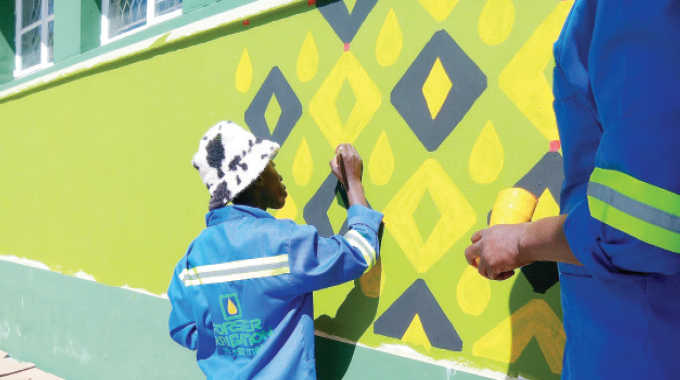
Mbulelo Mpofu, Zimpapers Arts and Entertainment Hub
YESTERDAY, art lovers, community members and visitors converged on the National Gallery of Zimbabwe (NGZ) in Bulawayo to take part in an important moment of cultural celebration, ranking and selecting this year’s homesteads for the “My Beautiful Home” (MBH) hut-painting competition.
MBH has been a symbol of creativity and strength for more than 10 years. The annual competition pits women from Matobo District in Matabeleland South Province against one another, not in rivalry but in the shared spirit of artistry, as they revive their Ndebele matrilineal tradition of decorating homes.
Using natural materials like ash, clay and anthill soil, these women transform homesteads into living canvases and the finest among them are honoured with recognition.
The prize-giving ceremony is set for 26 September at the (AIHC), nestled in the scenic Matobo Hills.
This year brings exciting new layers. For the first time, global media giants World of Interiors and CNN’s Inside Africa are spotlighting the competition. Their presence is a powerful validation of the women’s artistry and a reminder that these traditions, deeply rooted in Zimbabwean soil, are also part of the world’s shared cultural heritage.
Adding to the thrill is the debut of the Matobo Fashion Show, born from last year’s groundbreaking exhibition “Matobo Goes Fashion…and Beyond.” This offshoot translates the geometry and vibrant colours of painted huts into wearable art, allowing fashion to carry the spirit of Matobo into entirely new spaces.
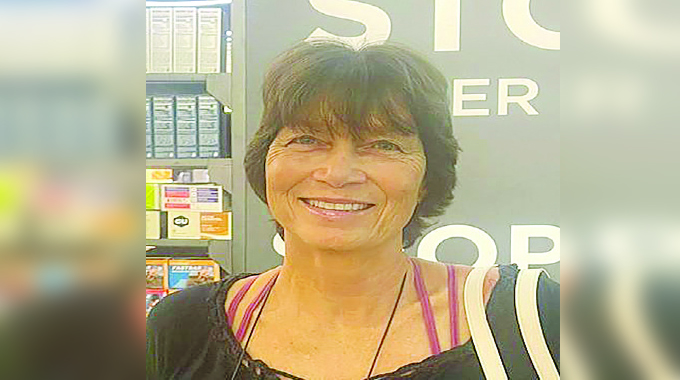
But amid the joy and creativity, there is also a note of sadness. This year’s edition will unfold without one of MBH’s guiding lights, historian Pathisa Nyathi, who died in November last year. His absence is keenly felt by many, including French geologist Veronique Attala, the founder and chair of Ekhaya GAIA, the NGO behind MBH’s community-driven vision.
Attala described Nyathi as a co-founder whose passion and knowledge helped anchor the competition’s cultural depth.
“Sitting here, amid the vibrant energy as we finalise selections for the 2025 My Beautiful Home competition, the absence of Pathisa Nyathi is a profound ache. He was more than a co-founder; he was the deep wellspring of historical knowledge, the cultural compass and a dear friend whose passion for preserving our Ndebele heritage was the bedrock upon which MBH was built.
“Nyathi, together with Professor John Knight and myself, envisioned this competition as a lifeline for a beautiful tradition. We were later joined by invaluable partners: Dr Andre van Rooyen, Clifford Zulu, Voti Thebe, Butholezwe Kgosi Nyathi and Violet Ki Tui. But Pathisa’s voice, his wisdom, his gentle insistence on authenticity, is irreplaceable.
“Amagugu International Heritage Centre, which he founded and which remains our cherished venue, feels different without him. We carry his spirit forward, deeply grateful for his legacy, but oh, how he is missed,” she said.
Yet, organising MBH is not without its challenges, ones Attala faces daily. Take the fundamental question of reward: “To me, in a competition, only the best ones are rewarded.
The team said ‘No! All must be rewarded, according to their merits!’ So, we needed more money, more sponsors and more work, etc.
“This philosophy of widespread recognition, while beautiful and encouraging, exponentially increases the logistical and financial burden. Finding sponsors for dozens of prizes, not just a handful of top awards, is a constant effort.”
Attala also said MBH strives for renewal.
“Every year, we’re trying to have new female artists among the finalists, but you’ll find that when you’re a good artist, you’ll often be selected. The consistent excellence of past winners is wonderful, but we actively seek out and encourage fresh talent to ensure the tradition flourishes across generations.
“Sometimes, jealousy arises towards winning women, a human challenge we navigate carefully, emphasising community and shared pride. Perhaps the most complex issue is selection fairness across our diverse wards.
“The biggest challenge: the seven wards that we are covering, all around the Matopos National Park, have different numbers of participants: some may have 20, some may have 200 participants! The problem is that the team wants to use a percentage per ward to select as finalists. But some wards with a small number of participants might have a high proportion of very beautiful huts, which won’t all be selected as finalists because of this percentage system.Please help us find a solution! We are always open to ideas to make this more equitable.”
She said their work is deeply rooted in the community, where they collaborate closely with more than 40 village heads, two headmen, and Chief Masuku.
“Their support and guidance are invaluable. And we couldn’t do it without our sponsors — a blend of generous local people and companies, like Honourable Edgar Moyo (Minister) and Honourable Fisani Moyo (MP), who contributed significant prizes like solar panels and wheelbarrows this year, alongside steadfast foreign friends of the project.

“The MBH stands on a tripod of partnership: my organisation, Ekhaya GAIA (The Earth is my Home), which I chair, the National Gallery of Zimbabwe in Bulawayo, led by director Silenkosi Moyo, offering an essential urban platform and artistic guidance and Amagugu International Heritage Centre, founded by Nyathi and now directed by Allington Ndlovu. Together, this collaboration forms our greatest strength.”
Looking ahead, MBH’s vision goes beyond the competition itself.
“Our goal is to become increasingly self-sufficient by setting up eco-tourist huts in different wards, giving visitors the chance to experience authentic African life. Imagine staying in a traditionally decorated homestead! The income generated would go straight back to the community, supporting schools and sustaining the competition,” Attala said.
“We also want to work closely with schools, teaching children about tourism, training them to become guides and even managing bookings. It’s about empowering the youth as custodians of culture and entrepreneurs in their own right. Around these huts, we plan to host events like cycling and hiking, turning the entire landscape into a vibrant cultural experience.”
Over the years, the women of Matobo have built a strong reputation both locally and beyond, highlighted by their work on the two-metre-tall Buddyerlin Bear sculpture, crafted from fibreglass and unveiled at the National Art Gallery of Zimbabwe (NGZ) in Bulawayo with support from the German Embassy in Harare. – Follow on X @MbuleloMpofu