Online Reporter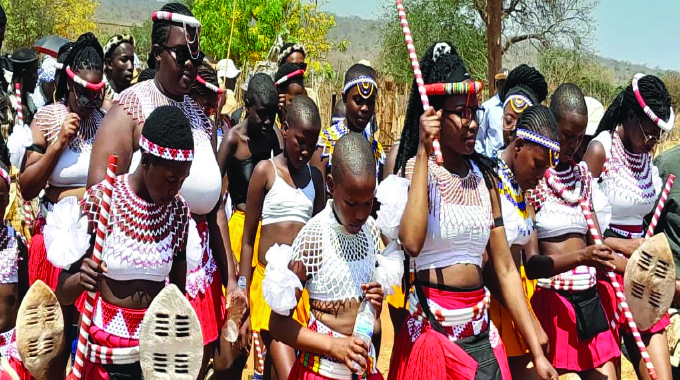
Langalakhe Mabena, Zimpapers Arts and Entertainment Hub
FOR generations, the institution of marriage has been considered sacred, a union that goes beyond two individuals uniting families, clans and communities. At the centre of this union is lobola, a cultural practice steeped in tradition, respect and accountability.
Today, however, there is growing concern that the erosion of these practices is contributing to the decline of marriages.
Vuyo Mpofu-Nyandeni, chairperson of the Queen Loziba Thebe Foundation Trust, believes that many modern marriages collapse because couples are skipping or altering essential lobola procedures.
Speaking on the sidelines of the Queen Loziba Day commemorations held on September 13 at Emhlangeni in Inyathi, Matabeleland North, he made an impassioned call for society to “go back to basics.”
Queen Loziba, a beloved wife of King Mzilikazi, founder of the Ndebele nation, is remembered not only for her role in the royal household but also for the traditions and values her life symbolised.
She and Mzilikazi had a daughter, Lobitshi, who married Prince Linganisa. To formalise the union, Prince Linganisa paid a bride price of 100 cows to King Mzilikazi.
This was not merely a transaction but a deeply symbolic act that cemented the bond between the two families and demonstrated reverence to the monarch.
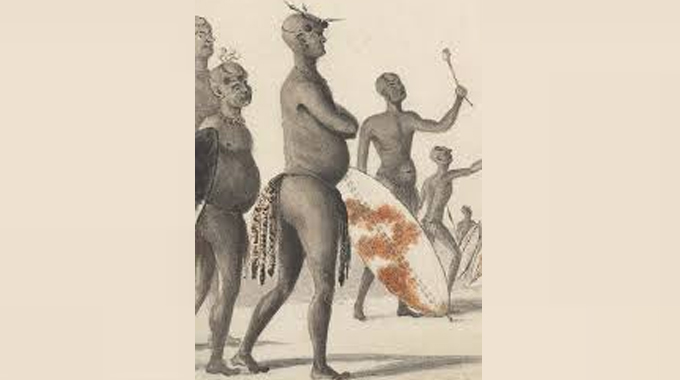
Nyandeni said this example shows the true meaning of lobola.
“In the culture of the Ndebele of Mzilikazi, lobola is a customary process where a man provides cattle or material goods to his prospective wife’s family as a token of appreciation. This is not about ‘buying a wife’ but about respect, gratitude and building alliances,” he said.
He said traditionally, lobola was designed to bring families together. It was a process that unified the households of the bride and groom, strengthening ties that went beyond the couple themselves. It also provided a framework for accountability.
“In cases of marital problems such as infidelity or infertility, lobola created a cultural structure for dialogue and resolution between families,” Nyandeni explained.
This, he argued, made marriages more resilient in the past compared to the present day, where many unions end abruptly due to a lack of these traditional checks and balances.
The lobola process was not a rushed affair. It involved multiple carefully observed stages, each with symbolic weight. Nyandeni outlined the main steps: Ukungena ekhaya (opening the path for negotiations), Isivula mlomo (allowing speech); Ukwaziwa/angazawe (introducing and confirming the groom) and negotiating the bride price, where elders and family representatives determined the number of cattle or monetary equivalent.
“These procedures built trust and understanding between the families.
It was this bond — ukuhlanganiswa — that helped marriages withstand challenges. A marriage built on such strong foundations was difficult to break.”
In contrast, Nyandeni observed that today’s couples often bypass these important steps. Driven by peer pressure, social media trends or the influence of friends, many now treat marriage as a competition or status symbol.
“The main reason for skipping procedures is pressure from family, friends and social media, where people want to prove a point or display achievements,” he said.
He criticised the rise of the so-called “lobola squads”, where friends accompany the couple to the negotiations. What should be an intimate cultural ceremony has turned into a public spectacle.
“Lobola was and is meant to be sacred, involving only two families. But now, everything is rushed into one day — lobola and wedding combined. This is taboo in our culture,” Nyandeni said.
He warned that such practices strip the union of its sanctity.
“Friends invited to negotiations sometimes harbour envy. Their involvement can rob the couple of blessings, weakening the marriage from the start,” he cautioned.
Nyandeni believes the solution lies in reviving cultural values and ensuring parents play a greater role in preparing their children for marriage.
“Parents must groom their children to respect marriage as an institution. Lobola is part of our history and culture; it must be followed properly,” he urged.
Through the annual Queen Loziba Day commemorations, the foundation is working to reawaken the cultural appreciation of marriage.
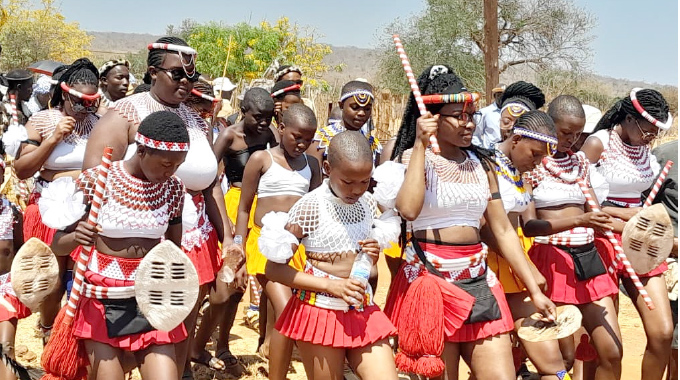
Programmes are designed to engage amatshitshi (maidens) and amaguqa (young warriors), instilling values of discipline, respect and responsibility.
“Young women are taught to value themselves, to abstain before marriage and to carry themselves with dignity. Young men are reminded that their role is to protect and provide for their families.
If we fail to instil these values early, marriage will continue to lose its meaning, replaced by casual cohabitation,” Nyandeni said.
For Nyandeni and the Queen Loziba Thebe Foundation, respecting lobola procedures is more than just preserving a cultural ritual. It is about safeguarding the future of marriage itself.
By returning to the foundational principles that once kept unions strong, society can rediscover the true essence of marriage, not as a fleeting partnership but as a lifelong covenant blessed by families and community.