Online Reporter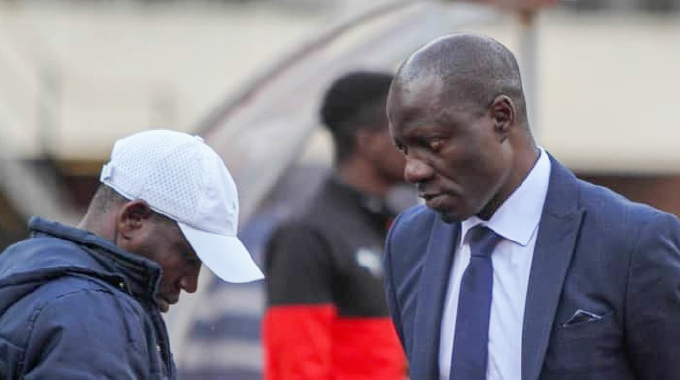
Stanford Chiwanga, [email protected]
THERE is a growing sense of unease around Highlanders, and it is no longer just about results on the pitch. The recurring sight of players downing tools over unpaid salaries has become a worrying pattern, one that speaks not only to financial strain but to deeper structural weaknesses within one of Zimbabwe’s most storied institutions.
For a club of Highlanders’ stature, such scenes should be unthinkable. Yet they have become part of the Bosso narrative — players withdrawing their labour, training disrupted, and confidence eroded. It is a cycle that damages not only the team’s competitiveness, but also its reputation, its supporters, and the broader image of the local game.
At the heart of the issue is a simple truth that cannot be avoided: footballers are professionals, and professionals must be paid. Passion, history and pride cannot replace salaries. When players take to the field, they do so not only for the badge but for their livelihoods, and when those livelihoods are threatened, discontent is inevitable.
In the midst of this turmoil, the figure of head coach Benjani Mwaruwari has emerged in a rather uncomfortable light. Reports of him stepping in to assist players financially — whether through covering allowances or easing immediate hardships — have been framed as noble, even admirable. And, to be fair, they are.
But noble is not the same as right.
Benjani’s actions, while well meaning, risk setting a dangerous precedent. It is not the duty of a coach to pay players. It is not his responsibility to rescue them from financial distress. His role is to coach, to lead tactically, to shape a team on the field — not to act as a financial safety net for a club that is failing to meet its obligations.
More importantly, what he is doing is not sustainable.
A football club cannot be run on goodwill and personal intervention. It requires structure, planning and, above all, financial discipline. When individuals begin to fill gaps that should be addressed institutionally, the real problems are merely hidden rather than solved. Today it may be a coach stepping in; tomorrow, when that option disappears, the crisis remains — perhaps even worse.
The responsibility lies squarely with the club.
It is the duty of Highlanders to pay its players. It is the duty of the club’s leadership to ensure that salaries are honoured, contracts respected, and working conditions stable. It is also the duty of the club to secure funding, build partnerships, and attract sponsors – not in desperation, but through deliberate and professional strategy.
The reality is that football economics have changed. The days when gate takings alone could sustain a club are long gone. Match-day revenue, while still important, is no longer enough to cover wages and operational costs at the level expected of a team like Highlanders. The modern game demands diversified income streams – sponsorship deals, commercial partnerships, merchandising and media engagement.
And this is where the real challenge lies.
If Bosso is to move forward, it must confront these realities head-on. It must professionalise its operations, strengthen its commercial arm and rebuild trust with sponsors who want stability and accountability before committing their money. Without this, the cycle of financial distress and player unrest will continue.
For supporters, this situation is particularly painful. Highlanders is more than just a club; it is an institution woven into the cultural and social fabric of Bulawayo and beyond.
Seeing it reduced to struggles over basic obligations takes away from that rich legacy.
But sentiment alone will not fix this.
What is needed now is clarity of roles and responsibility. Let Benjani focus on coaching – that is where his value lies. Let the players do what they are contracted to do – perform. And let the club leadership take full responsibility for ensuring that the financial side of the institution is sound.
Because in the end, football commands loyalty, but it also demands professionalism.
And until Highlanders confronts that reality without shortcuts or stop-gap measures, the strikes, the instability and the uncertainty will remain part of the Bosso story – a story that deserves far better.