Online Reporter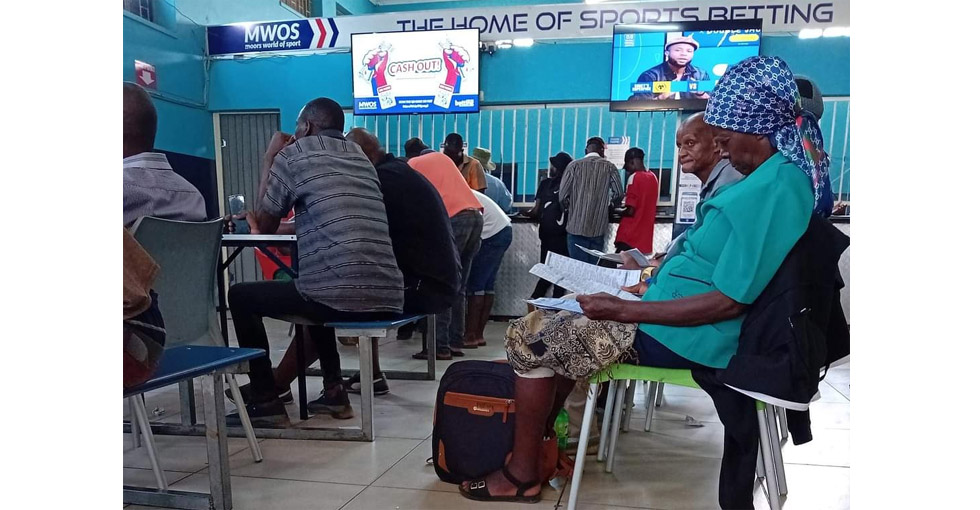
Lloyd Makonya
Correspondent
LAST week’s edition of this publication carried a story on betting where a courtroom in Mutare recently became the stage for a debate that extends well beyond one family’s dispute.
At the Civil Court, 33-year-old Shalom Matebvu’s request to increase child maintenance from US$80 to US$180 was dismissed after allegations of problems with gambling were raised.
The case, presided over by Ms Thandiwe Sibanda, saw Matebvu’s former partner, Jonathan Chiwore, accusing her of diverting funds meant for their son into betting, particularly on the increasingly popular Aviator game.
In her ruling, Ms Sibanda noted that Chiwore was already paying school fees, buying clothes and providing food in addition to the US$80 order.
She advised Matebvu to desist from gambling, and to seek employment to meet her personal needs.
While this was a judgment on maintenance, the case highlighted a broader societal dilemma involving the place of betting and gambling in Zimbabwe’s economic and social fabric.
In the past decade, gambling has rapidly expanded across Zimbabwe.
Sports betting shops have mushroomed in urban centres, while mobile platforms have brought online betting into the palms of ordinary citizens. With internet penetration and mobile money services, gambling has shifted from being the preserve of a few to a mainstream activity, accessible anytime and anywhere. For many Zimbabweans, especially youths and the unemployed, betting represents hope and the possibility of turning a small stake into life-changing money.
In a fragile economy marked by inflation and limited job opportunities, this allure is powerful. But for others, gambling has become a trap, consuming resources that should support families and fuelling cycles of dependency and despair.
Dr Misheck Chingozha, Interim Secretary of the Lotteries and Gaming Board, has studied these trends extensively.
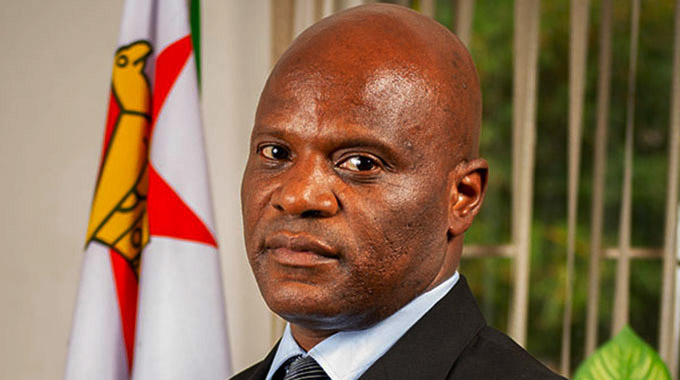
In his journal article: The Future of Gaming in Africa: A Regulatory Perspective, co-authored with Chingozha Yeukai, he notes that attitudes towards gambling on the continent are shifting.
“The moralistic perception that gambling is inherently evil is fading,” he writes, “replaced by recognition of its contribution to leisure, employment, and national revenue.”
Yet Dr Chingozha warns against romanticising the industry. Many gamblers, he argues, operate under “misapprehensions and over-expectations,” believing that fortune is just a bet away.
Such unrealistic expectations are especially dangerous in economies where disposable income is scarce. He further highlights risks including mental health deterioration, family breakdowns, and the misuse of household resources. These observations resonate with the Mutare case.
Allegations that maintenance funds were being diverted into betting illustrate the real-world impact of gambling addiction. The harm is not abstract; it affects children, family stability and ultimately the social fabric.
Gambling is not all vice. It creates jobs, generates taxes and entertains millions who engage responsibly. For some, placing a small bet on a weekend football game is no different from buying a movie ticket. But when gambling becomes a substitute for employment or a desperate escape from economic hardship, the damage outweighs the fun.
This duality makes regulation essential. Without it, vulnerable citizens like the unemployed, low-income earners, and young people bear the brunt of the industry’s darker side.
The case in Mutare is a reminder that when gambling money competes with school fees or groceries, society must pay attention.
Dr Chingozha emphasises that regulation must evolve with technology. Traditional systems designed for casinos or betting shops are inadequate for a world where mobile apps allow constant wagering.
He recommends: “A meaningful response to the rise of gambling in Zimbabwe must go beyond simply acknowledging its risks; it requires deliberate, systemic safeguards.”
One promising avenue lies in the adoption of digital monitoring tools that track betting behaviour in real time.
Such tools can help regulators and operators identify problematic patterns, such as excessive spending, repeated high-risk bets or continuous play without breaks.
By flagging these warning signs early, authorities can intervene before individual players, slide into destructive cycles of addiction.
Equally important is the strict licensing of gambling operators.
Licences should not be rubber stamps, but robust agreements backed by enforcement power.
Operators who mislead consumers with unrealistic advertising, manipulate odds or operate outside legal boundaries must face clear and significant penalties. This approach ensures that only responsible, transparent businesses remain active in the sector, protecting consumers from exploitation while preserving the industry’s legitimacy.
A third measure is the establishment of responsible gambling frameworks. These frameworks will require operators to do more than just collect wagers through proactively protecting their customers. That includes limiting aggressive advertising, particularly in spaces where vulnerable groups such as youths are most exposed, as well as enforcing strict age-verification systems. Reality checks such as periodic reminders of how much money has been wagered and lost can also help players remain conscious of their habits and make informed decisions rather than gambling on impulse.
Finally, regulation should insist that part of gambling revenues be dedicated to support programmes. These can provide counselling, rehabilitation and financial education for those already affected by gambling harm. Beyond treatment, such programmes should also focus on preventative education, equipping communities with knowledge about the risks of betting, the mathematics of odds and healthier alternatives for recreation. By channelling gambling profits back into mitigating its harms, Zimbabwe can ensure that the industry contributes not only to state revenue but also to the social well-being of its citizens.
While regulation is vital, personal responsibility cannot be ignored. Courts, as seen in Mutare, have a role in ensuring that family obligations take precedence over gambling habits. Parents who neglect maintenance duties because of betting addictions not only break the law but also compromise the welfare of their children. At the same time, broader economic realities must be acknowledged. With limited formal employment and rising living costs, many Zimbabweans see betting as one of the few avenues for advancement. This makes public education crucial. Citizens need clear information on the odds of winning, the dangers of chasing losses and the importance of prioritising essential needs.
The Mutare maintenance case was more than a dispute between two parents. It was a reflection of Zimbabwe’s uneasy relationship with gambling, a source of entertainment and revenue on one hand, but a driver of family conflict and financial strain on the other.
As Dr Chingozha reminds us, the future of gaming in Africa and in Zimbabwe depends on achieving a regulatory balance that harnesses the benefits of gambling while protecting citizens from its harms. Achieving this balance requires stronger oversight, public education and above all, a culture of accountability.
Betting can and should remain a form of fun. But when it threatens the welfare of children or undermines family stability, it ceases to be harmless entertainment. Zimbabwe must tread carefully, ensuring that inthe pursuit of leisure and revenue, the most vulnerable members of society are not left paying the price.