Online Reporter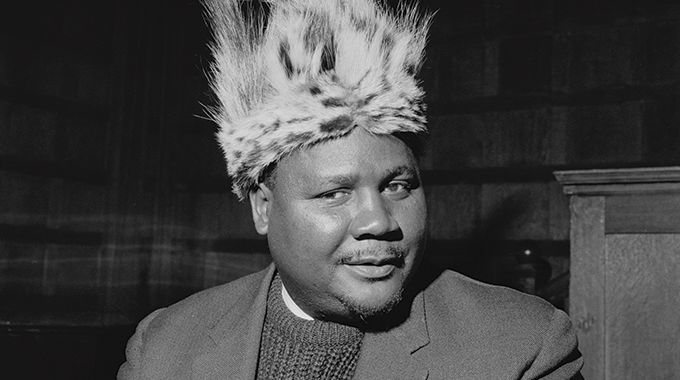
Gibson Mahka and Raymond Jaravaza , Zimpapers Writers
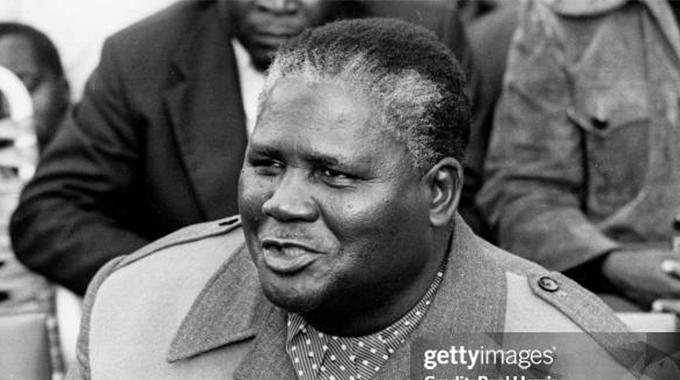
TWENTY-SEVEN years after his death, the legacy of national hero and former Vice-President Dr Joshua Mqabuko Nkomo remains deeply woven into Zimbabwe’s national fabric. While his towering statue in Bulawayo, the museum that bears his name and the many institutions established in his honour stand as visible reminders of his contribution, perhaps his greatest monument lives on in the people he inspired.
His story continues to be told by grandparents to their grandchildren, by parents answering questions from curious children who stop to admire his statue, and by communities that still embrace the values he championed — unity, peace, justice and selfless service.
As Zimbabwe commemorates the life of the man affectionately known as Father Zimbabwe, many believe his influence is as relevant today as it was during the country’s liberation struggle.
Dr Nkomo died on July 1, 1999, at the age of 82 after battling prostate cancer. Yet nearly three decades later, his name continues to resonate across generations. During his long political career, he endured imprisonment, detention, harassment, exile and numerous assassination attempts as he fought for Zimbabwe’s freedom. After Independence, he played a pivotal role in promoting national unity, culminating in the signing of the Unity Accord in 1987.
Today, his life and work continue to be celebrated through museums, public memorials, educational programmes and annual commemorations aimed at keeping his values alive.
His eldest daughter, Mrs Thandiwe Nkomo-Ibrahim, said this year’s commemorations are intended not only to honour her father’s memory but also to ensure that future generations understand and embrace his philosophy.
“The commemorations will begin with a prayer service at the museum, where close friends and family gather every year to remember him. It’s a day when people who knew him share memories, tour the museum and reflect on who he was and what he stood for,” she said.
The commemorations will extend beyond July 1 through a month-long programme organised by the Joshua Nkomo National Foundation (JNNF), with activities designed to promote leadership, community engagement and nation-building.
Among the key events is the Joshua Nkomo Memorial Lecture on July 4, which will focus on youth leadership and politics.
“We want young people to engage with the ideals that guided my father’s leadership and understand why those values remain important today,” said Mrs Nkomo-Ibrahim.
The Nkomo family, working together with Government, is also pursuing several long-term projects to preserve and promote the late nationalist’s legacy. These include the expansion of the Joshua Nkomo Museum, the establishment of a leadership centre, the creation of a vocational training centre and efforts to have July 1 recognised as a national holiday.
“We are also looking at partnering with Lupane State University and international universities so that his philosophy of leadership becomes part of academic learning. We have realised there is a need to train future leaders so that our country continues to be governed in a manner that benefits everyone.”
Mrs Nkomo-Ibrahim said her father’s commitment to peace and national unity remains one of the most important lessons he left behind.
“He hated tribalism, regionalism and racism. He was a symbol of national unity who cherished peace, unity and progress above all else. He loved, respected and believed in the peaceful coexistence of all people regardless of race, tribe or ethnic background,” she said.
Despite facing imprisonment, persecution and repeated threats to his life, she said Dr Nkomo never wavered in his principles. “He was fearless and courageous, always speaking out against injustice and unfair practices. Yet he was also a forgiving man who believed in letting bygones be bygones for the good of the nation. His humility, honesty and selfless sacrifice are among the qualities that continue to inspire Zimbabweans today,” she said.
JNNF chief executive officer Mr Hloniphani Nkomo said commemorating Father Zimbabwe is not simply about remembering the past but about drawing lessons that can help shape the country’s future.
“As we commemorate this important day, we remember the great works of Father Zimbabwe, particularly the role he played in the liberation struggle to ensure that Zimbabwe attained the independence we enjoy today. We also reflect on his contribution after Independence and the vision he had for the kind of Zimbabwe he wanted to build,” he said.
This year’s commemorations will feature a memorial lecture, a roadshow in Iminyela, poetry and musical performances, as well as community outreach programmes.
“In August, a football tournament will be hosted in partnership with the Former Highlanders Players Association featuring free health screening services and anti-drug and substance abuse awareness campaigns.”
For many young Zimbabweans, Dr Nkomo’s legacy is often encountered in everyday life rather than through textbooks.
Standing beneath his statue in Bulawayo city centre, Queens Park resident Ms Dorcas Rulani said the monument serves as a constant reminder of the sacrifices made by liberation leaders.
“The statue of Joshua Nkomo in the middle of the city centre is a constant reminder to us the youth that he was part of the leaders who sacrificed their lives so that the country can be independent. My late grandmother used to tell us stories about how Nkomo used to disappear when the police looked for him when Zimbabwe was still called Rhodesia, so that’s how I first became interested in who he really was,” she said.
Photographer Mr Lazarus Maunga said the statue frequently sparks conversations between generations.
“The statue has become one of the most recognizable features in Bulawayo and that is good for the history of Father Zimbabwe and the country because even children get to ask questions as they are curious to know who Dr Nkomo was,” he said.
For older Zimbabweans, the memories are often more personal.
At Blue Lagoon Restaurant near Renkini Bus Terminus, Mr Joshua Muyapu recalled stories told by his father about Dr Nkomo’s role in championing workers’ rights during the 1948 general strike while employed at Rhodesia Railways.
“My father was still a young man coming from Binga and years later, he would still talk about how brave Nkomo was at a time when questioning the white regime was unheard of,” he said.
Author and historian Mr Arnold Mayibongwe Nkala said Dr Nkomo’s life remains a powerful lesson in servant leadership.
“He sacrificed his affluent life for the benefit of people of all races and backgrounds in the country. He spoke for the voiceless and fought for the defenseless despite detention, imprisonment and repeated assassination attempts. He remained loyal to the struggle until his final day on earth. His political life is an enduring case study in nation-building for future generations.”
Mr Nkala believes more should be done to teach Dr Nkomo’s values in schools, universities and public institutions.
“I think Dr Nkomo’s unconditional commitment to equality, fraternity and freedom remains the most relevant aspect of his leadership. He did not preach nationalism; he practised it. His actions always spoke louder than his words. Zimbabwe would be much further in its development if leaders across all sectors consistently matched their words with their actions.”
Nearly three decades after his passing, Dr Nkomo’s memory endures far beyond statues, museums and commemorative events. It lives in family stories, in classroom discussions, in communities striving for unity and in young people seeking to understand the sacrifices that shaped modern Zimbabwe.
That may be Father Zimbabwe’s greatest legacy — not simply that he is remembered, but that each new generation continues to discover why his life, values and vision still matter today.