

 Online Reporter
Gibson Mhaka, Zimpapers Politics Hub
WHEN President Mnangagwa announced in 2022 that no city should have a monopoly on hosting national events, many took the instructive pronouncement as a political gimmick primarily designed to gain short-term popularity, not realising that he intended the move to benefit the nation both at a national and provincial level.
He clarified that this movement of the celebrations, from the capital to areas other than Harare was not supposed to be read simply as a change of geography, but as a loud statement of inclusivity and collective ownership of the day, cutting across all differences.
“This is much more than a mere change of venue and geography. It is a profound statement on collective ownership of the day. We all share it as Zimbabweans, regardless of village, town, city, district or province. Indeed, that day unites us all as one people, whatever our colour, creed, tribe, sub-culture, language, age or gender.
“For that reason, no one place, or city monopolises its commemoration,” President Mnangagwa said then in one of his weekly articles that set the tone for the decentralisation of the celebrations.
He said the day is supposed to present an opportunity for the country’s leadership to take stock of how each of the ten regions has fared, or is faring, in carving a distinct economy based on its unique factor endowments.
Following his instructive pronouncement, Bulawayo was the first to host the Independence Day celebrations, followed by Mt Darwin in Mashonaland Central province, then Buhera in Manicaland, whilst this year it will be Gokwe in Midlands province. Today, provinces that have hosted the independence celebrations are doing so as a result of the devolution policy masterminded by the Second Republic.
This attests to the historic transformations being undertaken by the Second Republic.
These transformations range from significant infrastructural development, including the rehabilitation of roads and schools, to the crucial provision of clean water through the drilling of boreholes. Furthermore, beyond the rotation of the main national celebrations, all the country’s 10 provinces are also rotating their regional celebrations, ensuring that the benefits of national events are felt throughout the country, not just in the selected host city or district.
For instance, in Matabeleland North, the main provincial celebrations are being held in Tsholotsho this year, following Binga’s hosting of the event last year. Similarly, Matabeleland South is seeing Plumtree as the host this year, after Gwanda previously held the responsibility.
In Mashonaland West, after Chinhoyi hosted last year, the celebrations are in Chegutu this year. Masvingo’s provincial celebrations moved from Chivi last year to Nemanwa Growth Point this year. Following their hosting of the national independence celebrations in Buhera, Manicaland Province’s provincial event is taking place in Chimanimani this year. Mashonaland East is hosting its celebrations in Mudzi district (Kotwa) this year, after Seke hosted them last year.
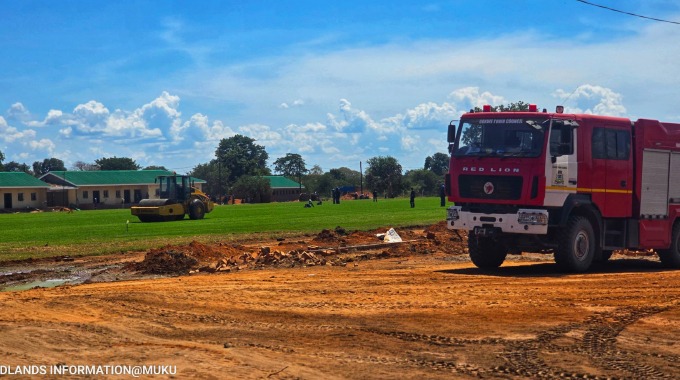
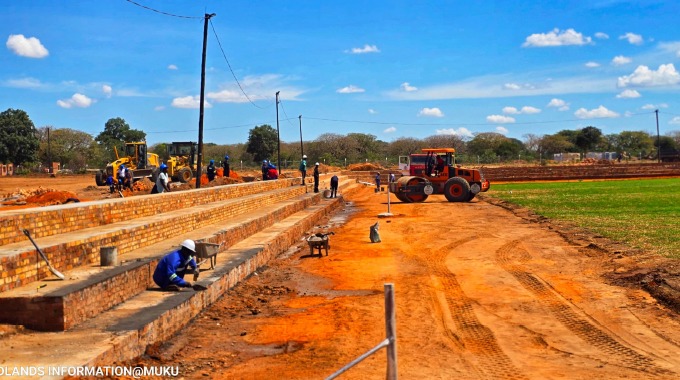
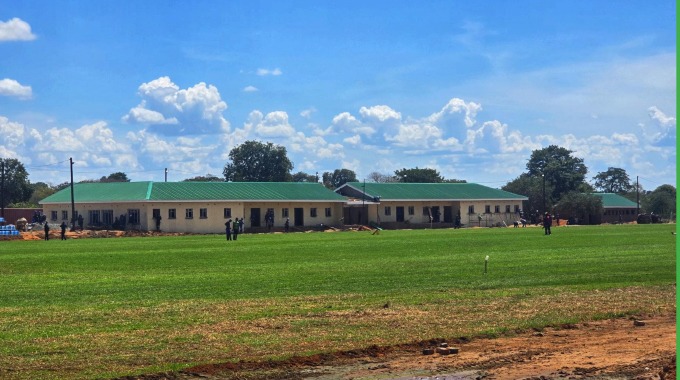
The devolution of hosting national and provincial independence celebrations is injecting a tangible boost into previously overlooked districts and towns. When a district like Gokwe or Tsholotsho becomes the focal point for such a significant national event, it triggers a wave of infrastructural development.
Roads are upgraded, public spaces are revitalised, and essential services like water and sanitation often receive much-needed attention in preparation for the influx of visitors and dignitaries.
This immediate investment leaves a lasting positive impact on the local communities, improving their quality of life and fostering a sense of pride and recognition that might otherwise be absent. Local businesses also experience a surge in activity, from accommodation and catering to small-scale vendors, creating economic opportunities and injecting vibrancy into the local economy.
It is important to note that this deliberate strategy of rotating the celebrations deeply resonates with the Second Republic’s philosophy of “leaving no one and no place behind.” By moving these significant national events away from the traditional dominance of major cities, the Government is actively demonstrating a commitment to inclusivity and equitable development. It sends a powerful message that every corner of the nation, regardless of its size or previous prominence, is valued and considered an integral part of the Zimbabwean identity.
The tangible improvements and the sense of national attention these districts receive, directly counter the feeling of marginalisation, fostering a stronger sense of belonging and shared national pride across the entire country.
It’s a practical manifestation of bringing the nation together and ensuring that the benefits of national events are distributed and experienced at the grassroots level.
Speaking last year, after Binga District hosted the Matabeleland North provincial Independence Day celebrations for the first time, Senator Chief Siansali from Binga said the Second Republic, in its inclusive approach, changed the narrative for Binga from a marginalised and poor district to a player in the development of the country He said having Binga hosting the provincial Independence Day commemorations proved that the district is a bigger part of Zimbabwe.
“In the past, it was all known that Binga was the poorest and lagging-behind district. But of late, there have been deliberate efforts by the Second Republic in its planning to push for the development of the district,” said Chief Siansali.
“The Government is on a drive to close the gap as we see a lot of ministries and departments doing programming in Binga.
The hosting of Independence Day provincial commemorations in Binga, proves that the people of Binga are Zimbabweans in totality and not an annex or an appendix to Zimbabwe.”
It is clear that Chief Siansali’s words powerfully illustrate the profound benefits of rotating independence celebrations at the provincial level, particularly for districts that have historically felt marginalised. His statement underscores how hosting such a significant event can be a catalyst for shifting perceptions and fostering a stronger sense of national belonging.
By bringing the provincial commemorations to Binga, the Second Republic tangibly demonstrated its commitment to inclusivity, transforming the district’s narrative from one of poverty and “lagging behind” to that of an active participant in national development.
This mirrors the situation with Gokwe’s Nembudziya Growth Point, which, much like Binga, has historically been considered a less developed and somewhat marginalised area. By selecting Nembudziya as the host for this year’s national Independence Day celebrations, President Mnangagwa’s administration is sending a clear message of intent.
Just as hosting the provincial event elevated Binga’s standing and brought tangible development, the national spotlight on Nembudziya is poised to do the same.
It signifies a deliberate effort to recognise and invest in areas previously perceived as backward, integrating them more fully into the national fabric and demonstrating that the “leaving no one and no place behind” philosophy is not just rhetoric but a guiding principle in the distribution of national opportunities and development.
—


