daniel chigunwe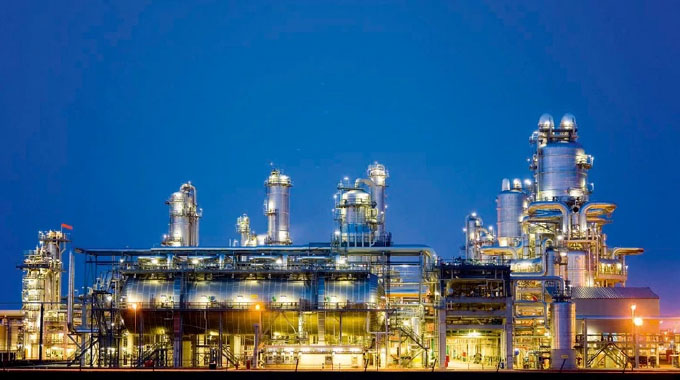
The sale to rehabilitate the now-defunct state-owned Kenya Petroleum Refineries Ltd (KPRL) was finalised by Kenya, clearing the way for a gas pipeline to run from Dar es Salaam to Mombasa.
The feasibility assessment has been finished, according to Davis Chirchir, the Kenyan Cabinet Secretary for Energy and Petroleum, and will soon be followed by the signing of a transnational agreement for the project.
“The defunct KPRL will now be under KPC (Kenya Pipeline Company) and the Mombasa-Dar es Salaam pipeline project, is key to feeding into the facility to ensure maximum use,” said Mr Chirchir. “We hope once the 30 000 metric-tonne gas facility which is under construction in Changamwe is complete, the project will move to the next stage,” he added.
Kenya hired the US company K&M Advisors in December 2021 to carry out a feasibility assessment for Mombasa County’s gas power generation, which will be supplied by liquefied natural gas from Tanzania.
If the investigation had revealed that importing natural gas was more expensive than using local resources to generate energy, the deal between Kenya and Tanzania may not have been reached.
Nearly half of the Kenyan market was already serviced by Tanzania’s Tanga gas facility. However, it is transported by truck through the border crossings at Namanga and Holili.
Samia Hassan, the president of Tanzania, and Uhuru Kenyatta, the president of Kenya at the time, signed a preliminary agreement for the transportation of gas from Tanzania for use in power generating, cooking, and heating in May 2021 when Hassan was on an official visit to Kenya.
President Samia and President William Ruto decided to hasten the building of a natural gas pipeline in October of last year in order to boost commerce and reduce energy prices for both nations. The 600-km pipeline is expected to cost US$1,1 billion.
Last week, Mr Chirchir said that Kenya was maintaining the Mombasa storage tanks used by KPRL to hold various petroleum products. The Kenya Pipeline will also store its imported fuel at the refinery, which has 45 tanks with a combined storage capacity of 484 million liters for redistribution throughout the area.
Kenya won’t import crude oil for the refinery, he added. The refinery was a moribund, loss-making business that had been idle for almost ten years. – Business Insider Africa



 Online Reporter