Online Reporter
Robin Muchetu, Health and Gender Editor
BILLIONS of dollars are slipping through the cracks at Zimbabwe’s central hospitals, with shocking revelations of salaries being paid to “ghost” workers and glaring lapses in oversight.
At Mpilo Central Hospital in Bulawayo alone, more than ZWL40 million was paid to four employees who had resigned months earlier, while several staff members on the payroll could not be physically verified.
These damning findings are contained in the Auditor-General’s report for the financial year ended December 31, 2024, on State-Owned Enterprises and Parastatals, tabled in Parliament last week.
The report paints a troubling picture of systemic weaknesses — from missing records and unverified inventories to the absence of hospital management boards — creating fertile ground for mismanagement and potential fraud across the country’s largest health institutions.
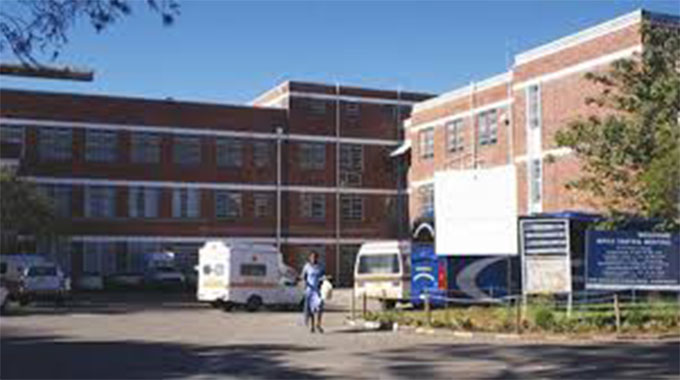
Acting Auditor-General Mrs Rheah Kujinga noted that Mpilo’s failure to submit monthly staff returns to the human capital department allowed resigned employees to remain on the payroll for months, draining millions in public funds. She warned that such irregularities, coupled with poor internal controls, could compromise service delivery and erode public trust in the health system.
“As a result, four employees who resigned during the reporting period continued to receive salaries amounting to ZWL40,62 million several months after leaving hospital employment, leading to financial loss due to irregular payments,” she stated.
Mrs Kujinga recommended that the hospital should communicate all resignations to the Salary Service Bureau (SSB) in a timely manner to ensure that former employees are removed from the payroll upon departure.
The hospital’s management responded to the findings, stating that they had implemented a system to strengthen the submission of monthly employee returns by line managers and heads of department, and claimed that the former employees had repaid the outstanding amounts.
The Auditor-General warned that persistent governance and financial control failures could jeopardise service delivery in the public health sector.
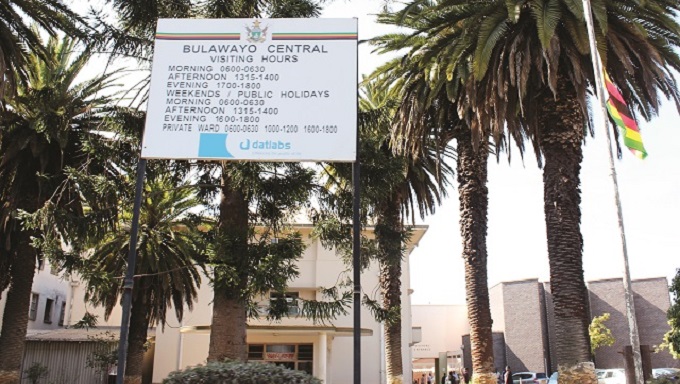
A call was made for a radiographer, senior and principal diagnostics staff, heads of department, specialists, doctors, and a nurse aide to present themselves to the auditors, but they failed to do so.
“A sample of employees was circularised by the Human Resources department on June 5, 2024, where the selected individuals were asked to positively identify themselves to the auditors as part of the physical verification process,” read the report.
According to the report, as of August 16, 2024, the employees listed had not availed themselves for the verification process.
“In addition, the Human Resources department could not produce leave forms to prove that the said individuals were on paid vacation leave or a duty roster showing that the listed employees had been assigned to night duty,” the report continued.
The Acting Auditor-General recommended that hospital management ensure regular reconciliations between individuals listed on the payroll and those who clock in for work.
“The Human Resources department should ensure that paid time off is properly documented and duty rosters are maintained and retained at all times,” the report stated.
Furthermore, Mrs Kujinga highlighted that Mpilo Central Hospital had made no progress in addressing audit findings and recommendations raised in the 2020, 2021, and 2023 annual reports.

“I raised three audit findings in my 2023 annual report and followed up on seven findings outstanding in my 2020 and 2021 annual reports. One finding was addressed and nine were not. The issue of bank signatures was resolved, and the hospital’s former employees were removed from the bank signatory panel,” read the report.
However, the hospital failed to resolve issues such as foreign-denominated creditors’ balances.
“The hospital had no creditors’ ageing analysis for the year ended 31 December 2023, as it was using a manual system. Accounting procedures were not addressed. The hospital did not maintain aged receivables and payables or perform reconciliations during the year,” the report noted.
The internal audit function remains unestablished. The hospital recognised donations amounting to ZWL2,15 billion during the 2023 financial year, but management could not provide supporting schedules to substantiate the valuation of these recorded donations.
Another unresolved issue was an inventory variance amounting to ZWL161,4 million noted in the 2023 financial statements. The hospital did not perform a revaluation of assets for the year ended December 31, 2023 and continues to operate without a board.
United Bulawayo Hospitals (UBH) was flagged for poor documentation and personnel records, which could compromise service delivery.
“The hospital’s record management processes were inadequate during the year. As a result, some practitioners had no valid practising certificates in their personnel files. This contravenes sections 92 and 95 of the Health Professions Act (Chapter 27:19), which require every practitioner to operate with a valid practising certificate,” read the report.
The Auditor-General also stated she was unable to verify the accuracy, valuation, and completeness of inventories amounting to ZWL43,6 billion due to a lack of supporting documents such as supplier invoices and goods received vouchers, raising the risk of misappropriation and misstatement of financial statements.
At Ingutsheni Central Hospital, poor inventory controls led to glaring stock discrepancies. Phenobarbitone, a drug used to reduce seizure frequency, was recorded as having 1 611 units in stock, yet the pharmacy had none. Zinc co-packs for diarrhoea treatment, fuel, bread, and sugar were also listed as available but could not be physically located.
The Auditor-General urged the hospital to conduct regular reconciliations to ensure physical stock matches system records.
The report also noted that Parirenyatwa Group of Hospitals in Harare failed to perform monthly debtor reconciliations with medical aid societies, leading to significant variances. In one case, a debtor’s balance was recorded as ZWL5,48 billion in hospital books, compared to ZWL4,96 billion confirmed by the medical aid institution.
Other unresolved issues include repairs to kitchen facilities, slow progress on capital projects despite a ZWG400 205 disbursement in 2024, and the absence of a creditors’ ageing analysis due to manual systems.
The report found that none of the four hospitals had functioning management boards, which is a direct violation of the Health Service Act (Chapter 15:16) and the Public Entities Corporate Governance Act (Chapter 10:31), both of which require boards to provide oversight.
— @NyembeziMu