Online Reporter
Sipepisiwe Moyo, Zimpapers Arts and Entertainment Hub
A GROUP of dancers known as The Black Italians has become an unexpected force in the fight against drug and substance abuse in Bulawayo.
Their stage is the pavement, their music — a call to attention and their message simple, “there is another way.”
What draws crowds first are the moves — sharp, stylish Skhothane choreography accompanied by thumping beats.
But beneath the spectacle is a deeper intention.
The Black Italians have crafted their art into a form of social resistance, using dance as a counter-narrative to the rising wave of drug use among urban youth.
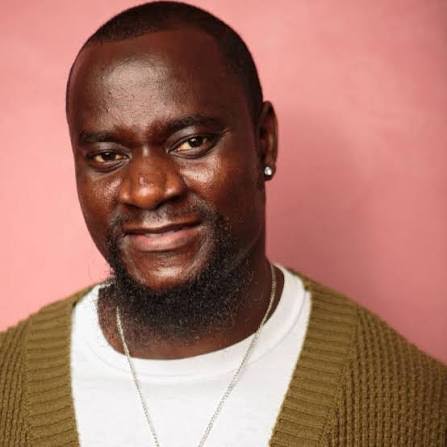
“We want young people to know that there are better ways to express themselves than turning to drugs,” said group member and anti-drug advocate, Mr Nator.
The group was formed last year in March, initially with just three members. Word spread; performances drew attention, young onlookers asked to join. Today, the group has grown, and their street dance-offs have become both entertainment and informal outreach.
“Dance can be a tool for social change. It allows people to share ideas and brings together individuals from different backgrounds. Through our dances, we are raising awareness about drug abuse while keeping young people meaningfully engaged.
“When people dance together, it creates unity and strength, making it easier to stand for what is right. We use dance to encourage action against drug and substance abuse. It also shows the youth that they can earn a living in the arts, even in a difficult economy. In short, we are using art to create positive change,” Mr Nator said.
The group conducts training sessions where dancers learn footwork, musicality, rhythm and how to express personal stories through movement. The training incorporates elements of Skhothane culture — display of fashion, confidence and identity — but reinterprets it as a form of empowerment rather than showmanship for its own sake.
“Our Skhothane dance training focuses on energetic, stylish movements that allow dancers to express themselves. We guide our students through mastering footwork and encourage them to develop their own unique style. The Skhothane culture is important to young people because it promotes self-expression through fashion, dance and music.”
Behind this movement is lived experience. For Mr Nator, the fight against drugs is personal. During his years in South Africa, he watched friends fall deeper into addiction. Some lost their livelihoods. Others lost their dignity. A few, he says, did not make it back.
“During my time in South Africa, I lost several friends to drugs. Five are gone, some are on the streets now. That’s what drugs do. Seeing that destroyed me. It made me realise just how dangerous drugs are. That’s why I’m urging young people to turn away from drugs and choose dance instead. I’ve seen the consequences up close,” he said.
It was this loss that pushed him to speak out. The Black Italians now partner with community centres and schools to identify youths at risk.
“We identify young people who may be vulnerable to drug abuse and we approach them with sensitivity and support. We work with community centres and schools to reach them and bring them into our programmes,” he said.
Their workshops provide a safe space where young people can focus, gain confidence and express who they are through dance.
“There’s nothing wrong with being young and wanting to stand out. We’re just showing that you can do that through dance, through movement, through your own voice, not with drugs.”
The group has already seen success stories. One of them is a dancer known as Sgubhunator, who, after joining the group, has gone on to make a name for himself in the dance scene.
Looking ahead, the Black Italians hope to expand, reaching more townships, more cities and eventually, more countries. Their dream is to help young people leave risky paths and find purpose through dance.
The group’s message is consistent and direct: Choose dance instead of drugs. Choose life.
“I want to encourage young people to embrace who they are and build their own legacy. Dance relieves stress, clears the mind and keeps the body active, it builds confidence. I’m urging the youth to choose dance, not the street corners where they are exposed to drugs and substance abuse,” he said.


 Bongani Ndlovu