Online Reporter
Rutendo Nyeve, Sunday News Reporter
BULAWAYO Provincial Affairs and Devolution Secretary Mr Paul Nyoni has affirmed that the city is on a strong trajectory to reclaim its historic status as Zimbabwe’s manufacturing hub. This revival is driven by substantial high-tech investments, targeted retooling and the creation of a conducive environment for Small to Medium Enterprises (SMEs) to flourish.
In an interview, Mr Nyoni dismissed notions of a permanent industrial decline, emphasising that Bulawayo is undergoing a dynamic economic transformation. Legacy industries are modernising and a new generation of entrepreneurs is being empowered to expand production.
“Bulawayo still roars, just as it used to, remaining at the forefront of the manufacturing value chain. Things are happening everywhere,” he stated.
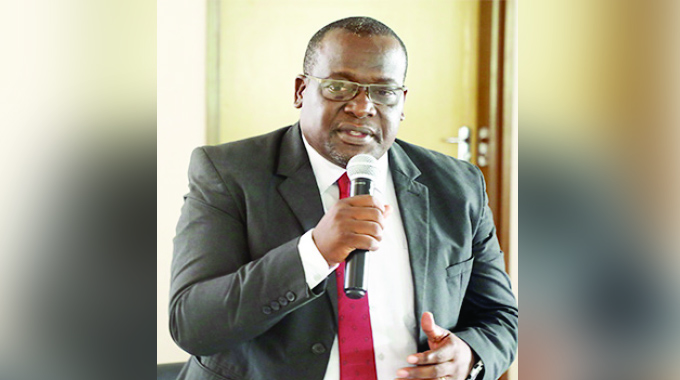
The city’s revival is being spearheaded by a diverse array of sectors, from agro-processing to advanced manufacturing, all united by a shared focus on technological adoption and value addition.
Mr Nyoni highlighted the integrated nature of Zimbabwe’s economy, citing the textile industry as a prime example of Bulawayo’s central role.
“The cotton grown in Kwekwe is spun and woven there and in Kadoma, then manufactured into garments across three provinces — all seamlessly connected,” he explained.
He expressed ambition for greater localisation: “Currently, weaving and spinning meet only about 60 percent of Bulawayo’s clothing industry needs. Our goal is to push this toward 100 percent,” he said.
Beyond textiles, agro-processing is demonstrating remarkable strength.
“We have the largest concentration of milling companies in the country — producing-mealie meal, wheat products and animal feeds. The number of players in Bulawayo is impressive and they are all operational,” Mr Nyoni noted.
He also highlighted the burgeoning high-value confectionery industry, pointing to a factory that exemplifies modernisation.
“One of the most modern in Southern Africa, it operates robotically, producing 180 000 loaves daily with just eight workers,” he said.
Addressing concerns about job displacement due to automation, Mr Nyoni explained that employment strategies are evolving.
“While factories may have fewer workers, sales and marketing teams are expanding. For example, you might have eight people manufacturing, but 150 in sales and distribution — this is a deliberate shift to create more employment opportunities,” he said.
Bulawayo’s industrial renaissance extends to smallholder-focused manufacturing.
“The largest maker of handheld tractors in Zimbabwe is based here. They produce ploughs and planters — technology that suits small farmers who don’t require large, expensive machinery,” Mr Nyoni said.
The city also remains a key player in manufacturing irrigation equipment, vital for national food security.
Central to this revival is targeted support for SMEs.
Mr Nyoni revealed significant Government and partner investments in this area.
“We now have a fully equipped SME Centre, established by the second republic in partnership with a UN agency, where entrepreneurs can manufacture and innovate,” he said.
Additionally, Bulawayo hosts the country’s only computerised design suite for leather goods, a collaboration between the Government and Comesa.
“This facility addresses issues like measurement inconsistencies, helping small leather producers meet retail standards,” he added.
Mr Nyoni credited the Government’s anti-smuggling campaigns — focused on education and collaboration rather than punishment — for fostering a culture of formalisation.
“It’s not about penalising anyone. It’s about everyone contributing to Zimbabwe’s development,” he said.
This approach has led to a surge in formal business registration.
“In the first quarter of 2025, the Office of Companies and Intellectual Property registered just over a thousand new companies — people are formalising because they understand what it entails,” he noted.
With cutting-edge factories and empowered small-scale producers, a renewed sense of confidence is palpable across Bulawayo. The evidence suggests that the City of Kings is not merely recalling its industrial past but actively shaping a prosperous future.