
Edgar Vhera
Specialist Writer – Agribusiness
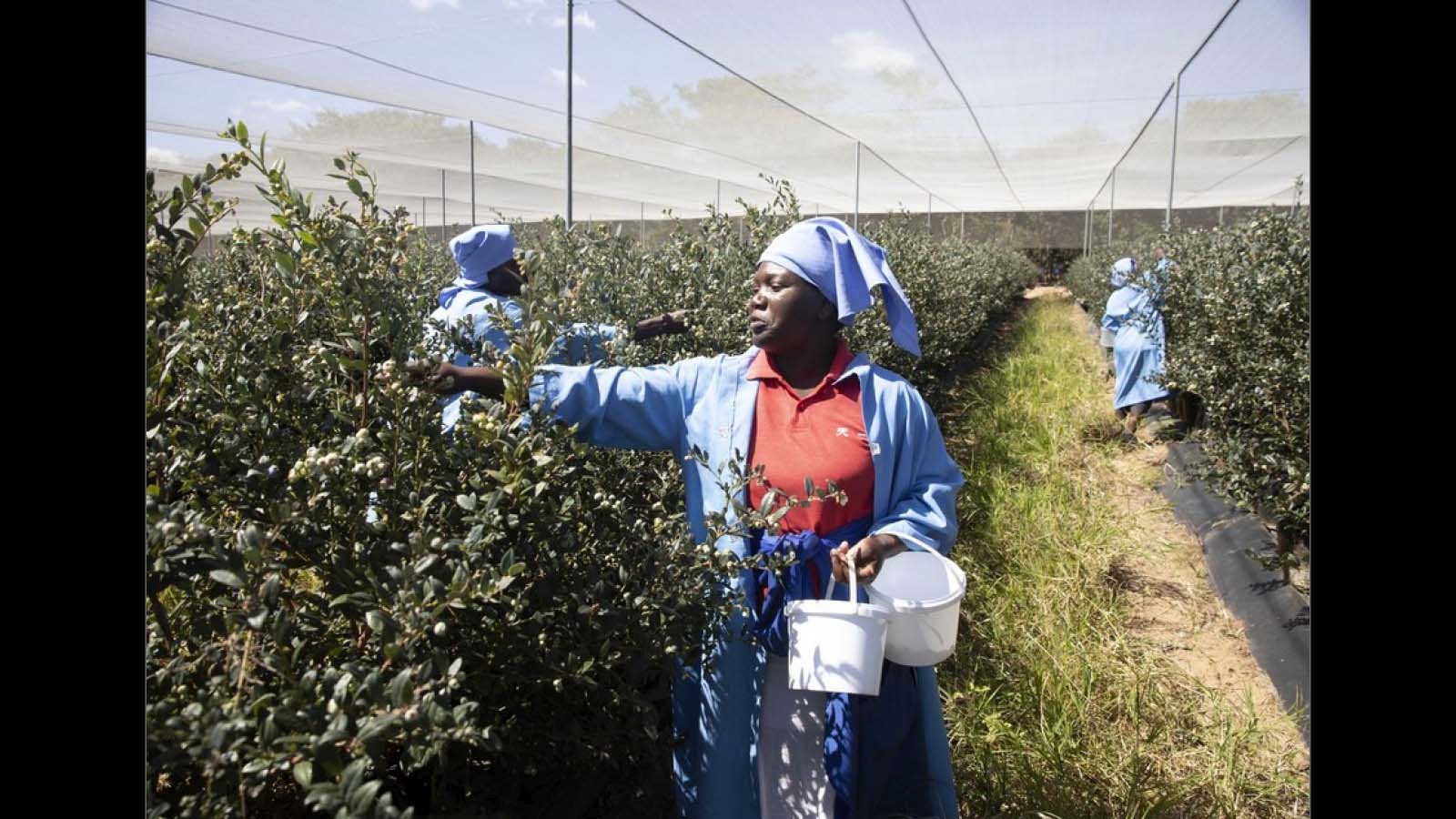
ZIMBABWE’S blueberry export earnings rose by 76 percent to US$3,8 million in the first six months of this year, from US$2,1 million in the same period last year, as harvesting and marketing of the globally acclaimed fruit intensified.
Statistics from the Zimbabwe National Statistics Agency (ZimStat) show that the volume of exports more than doubled to 1,9 million kilogrammes this year from 900 000kg last year.
According to the Horticulture Development Council (HDC) June 2026 update, Zimbabwe planted approximately 650 hectares of blueberries in 2025.
Export tonnage reached about 9 500 tonnes last year, generating US$42,75 million in export revenue.
“In 2026, production is expected to expand to around 800 hectares, with exports projected at 11 500 tonnes and revenue estimated at US$51,75 million,” revealed the update.
The HDC said after years of technical work and negotiations, Zimbabwe had finally completed the protocol procedures needed to access the vast Chinese market.
“For growers, access to China means more market options, stronger demand and the potential for improved returns. As production continues to grow, diversified export markets will be essential to maintaining momentum,” HDC said.
HDC chief executive, Mrs Linda Nielsen said the signing of the export protocol opened the door for Zimbabwean blueberries to enter one of the world’s largest consumer markets, creating new demand for local fruit from the 2026 season onwards.
“The protocol sets out the phytosanitary and food safety requirements that growers, packhouses and exporters must meet to access the market.
“These include strict standards on pest management, traceability, orchard registration, inspections and export certification,” she added.
Mrs Nielsen said while the requirements were demanding, they also created an opportunity for the industry to strengthen production systems and improve competitiveness in other premium markets.
She said the encouraging takeaway from their recent marketers and industry partners meeting in South Africa was that Zimbabwe produces fruit that can confidently compete on the global stage.
“It turns out there is a lot more to a blueberry than simply tasting sweet. The flavour, size and quality coming out of our farms are earning serious attention globally,” she added.
Delecta Fruits Private Limited key account manager for blueberries, Mr Rossouw Lambrechts, said his company and its grower partners seized the opportunity after exporting three trial blueberry pallets to China, the first after the signing of the Zimbabwe/China blueberry protocol.
“Delecta chose the fastest route: methyl bromide fumigation before packing, followed by road transport to Johannesburg and airfreight to Shanghai via Hong Kong.
“China holds massive sales potential and we are already trading in other commodities, like pome fruit and stone fruit at large scale, so the market is not unknown to us. We are taking our first steps in the Chinese blueberry market with a client with whom our relationship goes back many years,” he said.
Mr Lambrechts said to differentiate and add value to its growers, the company was initially supplying only premium large berries (18mm and above).
With a harvesting period stretching from mid-March to the end of October, Zimbabwe’s blueberry producers can take advantage of multiple market segments and maximise returns.
Its export season spans May to October with a peak around September.
Zimbabwe and China signed a citrus trade protocol in 2022, an avocado protocol in 2024 and the blueberry export protocol last year, spearheading horticulture growth.
China has emerged as Zimbabwe’s third-largest export market, with bilateral trade volumes more than doubling over the past decade.
The Agriculture Food Systems and Rural Transformation Strategy 2: 2026-30 (AFSRTS 2) revealed that Zimbabwe’s horticulture sector had undergone a resurgence since 2017, transforming from a low-performing industry into a dynamic growth engine.
“From experimental plantings of blueberry in 2008 and first commercial exports in 2017, production skyrocketed from US$1 million in 2018 to US$50 million by 2024, with volumes surging by 351 percent since 2020,” read the AFSRTS 2.