Martin Kadzere
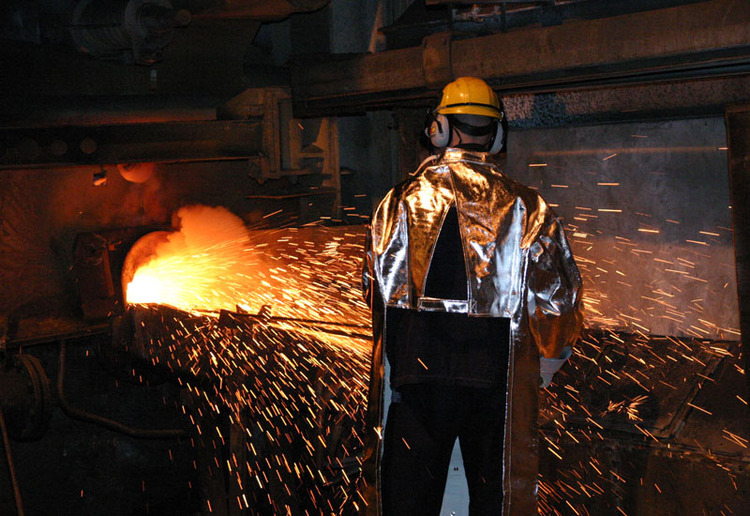
Zimbabwe’s ferrochrome producers are lobbying the Government for a concessionary electricity tariff of US7 cents per kilowatt-hour (kWh) for 2027, warning that uncompetitive power rates and unresolved utility debts have left nearly two-thirds of the country’s smelting furnaces switched off.
According to the Chamber of Mines of Zimbabwe’s Mining Prospects 2027: The State of the Mining Industry Survey Report, released this week, producers are seeking the reduced rate for the period from January 1 to December 31, 2027, alongside full waivers on accumulated tariff variances.
Under a 2026 interim arrangement, smelters have been paying US8 cents against an invoiced tariff of US10 cents.
Even at the reduced US8-cent rate, local smelters say they cannot compete against major global producers—citing targeted ferrochrome tariffs of roughly US3,8 cents in South Africa and industrial rates averaging around US6 cents in China’s primary ferroalloy hubs.
According to the chamber of mines report, the high cost of power has weighed heavily on local beneficiation.
Only 15 of the 41 installed ferrochrome furnaces across Zimbabwe are currently operational, keeping industry capacity utilisation depressed at an expected 36 percent in 2026.
The report warned that high tariffs and generation shortfalls threaten to undermine mining expansion and beneficiation targets.
Alongside the push for a US7 cents rate in 2027, producers are appealing for the cancellation of two separate tariff balances sitting as liabilities on their books.
Between October 2022 and December 2023, smelters paid a concessionary rate of US8 cents against an approved mining tariff of US12,21 cents.
ZESA has maintained its claim to recover the US4,21 cents difference in the future, a charge producers want waived to prevent further furnace closures.
Under the current interim framework, the unpaid US2 cents gap between the US10 cents invoiced rate and the US8 cents paid rate is due for recovery-in cash or electricity units-once individual smelters commission their own power plants.
Producers are requesting an unconditional write-off of this balance regardless of their own power plant commissioning dates, citing heavy capital commitments toward self-generation projects.
Survey data indicates that granting the US7 cents tariff and clearing legacy variances would unlock a sharp turnaround in the subsector.