Online Reporter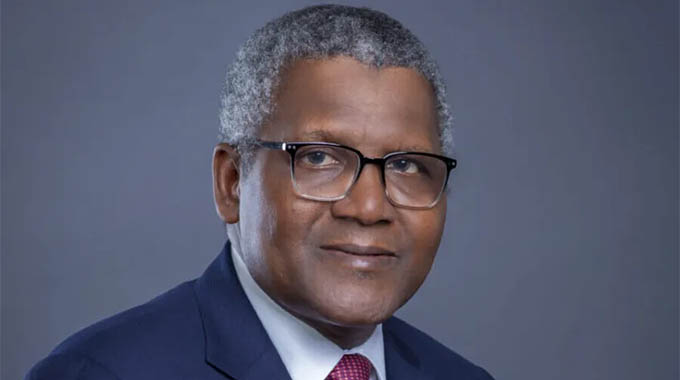
The expected arrival of a private jet carrying Africa’s richest man, Aliko Dangote, in Harare today is more than a headline; it is a statement.
Coming hot on the heels of a meeting between President Mnangagwa and Dutch billionaire Marcel Boekhoorn, this back-to-back engagement of global business titans sends an unambiguous message to the world: Zimbabwe is no longer a problem child, but a pasture of opportunity.
For discerning observers, this is not a coincidence but the culmination of a deliberate and quietly successful strategy of economic diplomacy.
For years, the narrative around Zimbabwe has been dominated by risk. The visits of Boekhoorn and Dangote are powerful counter-narratives, built not on words, but on the most credible currency in business: cold, hard capital.
Boekhoorn’s Ramphastos Investments is not merely dipping a toe in the water; having already sunk $25 million into the Canterbury mine and now planning to double down, they are diving in. This is the ultimate testament that investor capital can not only be safe in Zimbabwe but can also yield substantial returns. An investor of Boekhoorn’s calibre does not expand; he flees. His decision to deepen his stake is a profound declaration of confidence in the operating environment.
Similarly, Aliko Dangote is not a speculative gambler. He is a strategic builder of empires whose $1 billion prospective investment in cement, coal, and power is a monumental bet on Zimbabwe’s future. This is a man who has built his fortune on understanding African markets better than anyone else. His return after previous attempts stalled signals that he now sees a window of opportunity that was previously closed.
This is the fruit of President Mnangagwa’s “Zimbabwe is Open for Business” philosophy, transformed from a slogan into a tangible, investable reality through sustained diplomatic outreach.
Critics will and should, remain cautious. Zimbabwe has seen false dawns before. Yet, to dismiss this moment is to ignore the strategic shift underpinning it. President Mnangagwa’s administration has actively pursued economic diplomacy, engaging international partners and selling Zimbabwe’s potential directly to those with the means to unlock it.
The facilitation of the Dangote deal by local firms like Bard Santner Markets, following connections made at the Afreximbank meetings, is a textbook example of this diplomacy in action. It is about creating the channels and the confidence for serious business to be conducted.
But what does this mean for the ordinary Zimbabwean? The benefits are tangible and transformative. We are not talking about abstract balance sheets but concrete realities: Job creation, infrastructure development, skills transfer, economic dynamism and social investment.
The path forward requires vigilance. The Government must now ensure that these landmark deals are sealed and that the regulatory environment remains stable, transparent and predictable. The rule of law and respect for contracts must be sacrosanct. The success of Boekhoorn and Dangote will be the most powerful advertisement for the next wave of investment.
This week, Harare is not just hosting billionaires; it is hosting beacons of progress. They have seen the potential that many at home have long believed in. It is now a national imperative to prove them right. For the first time in a long time, the wind of economic optimism is blowing in Zimbabwe.
It is a wind we must all work to harness.