Online Reporter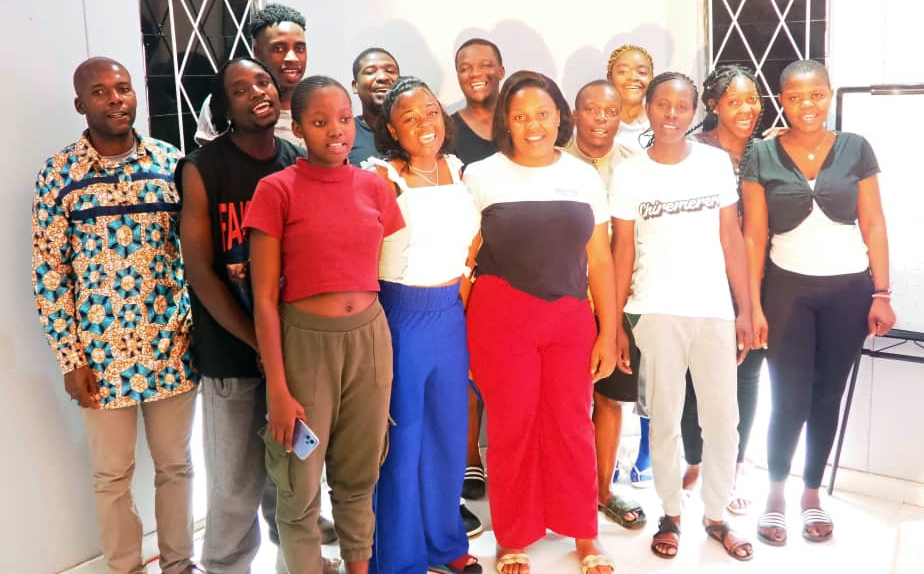
Liberty Dube
Entertainment Correspondent
ZIMBABWE’S creative heartbeat pulsed with renewed energy as Chenhaka–Connect for Culture Africa (CfCA) officially launched its innovative Young Culture Actors Residency in Bulawayo last week.
The one-week programme, which ran from October 26 to November 1, brought together 12 emerging theatre artists aged between 18 and 35, representing every province in the country.
The event marked a significant milestone in the ongoing efforts to empower the next generation of cultural leaders and creative entrepreneurs in Zimbabwe.
The residency, a collaborative effort between Chenhaka Trust and Savanna Trust, an arts organisation based in Norton, was designed to nurture creativity, collaboration, and leadership within the arts sector.
The programme immersed participants in practical learning, networking, and mentorship, all aimed at transforming artistic passion into meaningful and sustainable cultural impact.
Chenhaka Trust executive director, Taurai Moyo, in an interview upon his return from Bulawayo, told Weekender Entertainment that the engagement event was fruitful.
“This was, not just a residency, but a launchpad for future cultural leaders. We invested in young people who will redefine the creative landscape of Zimbabwe.
“By equipping them with both creative and business tools, we are helping them turn their art into influence and their passion into sustainable careers,” he said.
The residency featured an engaging lineup of sessions facilitated by Daniel Maposa, a cultural policy and arts management trainer, and Teddy Mangawa, a physical theatre specialist and global arts fellow at Georgetown University’s Laboratory for Global Performance and Politics.
Together, they led participants through an intensive exploration of cultural policy, theatre-making, performance, entrepreneurship, and digital innovation.
Throughout the week, young artists engaged in discussions on cultural advocacy and policy, learning how to effectively influence decision-makers for greater public investment in the arts.
They refined their creative craft through sessions on playmaking and performance development, discovering new artistic voices and techniques.
They also delved into the business side of creativity — exploring how to develop and sustain viable artistic careers through strategic planning, marketing, and fundraising.
In addition, participants were introduced to the power of digital tools for promoting and distributing their work, and they reflected deeply on themes of diversity, equity, and inclusion within the arts ecosystem.
Moyo said the residency went beyond technical training, serving instead as a transformative experience designed to strengthen Zimbabwe’s cultural identity.
“Investing in our young artistes is investing in the social and economic future of Zimbabwe. This residency became a crucible for talent — a space where creativity met leadership, and where ideas evolved into movements capable of uplifting entire communities,” said Moyo.
The partnership with Savanna Trust, renowned for using theatre as a vehicle for social change, reinforced the importance of linking art to community development.
The initiative also aligned with CfCA’s broader vision of promoting diversity, equity, and inclusion while advocating for increased public investment in the Creative and Cultural Industries (CCIs).
Moyo said that by the end of the week, the residency had achieved far more than its stated goals.
It created a powerful network of young cultural leaders ready to champion the arts within their communities and beyond.
The participants left Bulawayo, not only inspired, but also equipped with practical skills and strategic insight to navigate the complexities of the creative industry.
The CfCA initiative, a joint venture between Selam and the African union (AU), continues to transform Africa’s cultural landscape by promoting inclusivity, policy engagement, and economic empowerment within the creative sector. Its ambitious vision — to encourage African governments to allocate one percent of national budgets to culture and creative industries by 2030 – gained new momentum through this Zimbabwean residency.