Online Reporter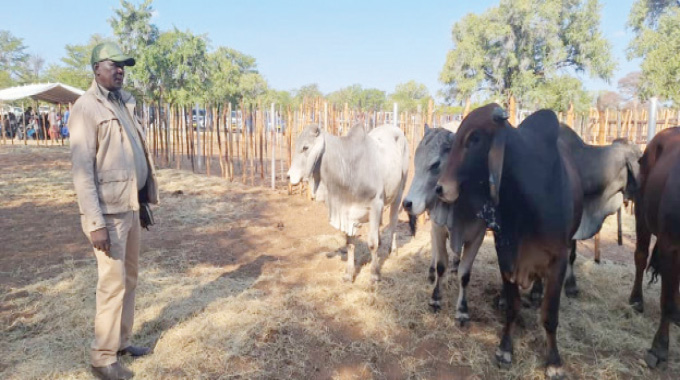
Mkhululi Ncube, [email protected]
CATTLE farming in Bulilima District, Matabeleland South Province, has received a significant boost following the handover of six pedigree Brahman bulls to six traditional leaders on behalf of their communities.
The bulls were donated through a partnership between Bulilima Rural District Council (RDC) and its safari operator, Mvimi Safaris, under the Community Areas Management Programme for Indigenous Resources (Campfire).
The handover ceremony took place last Thursday at Khame Business Centre, marking a major step in a project aimed at transforming local cattle breeds and improving the national herd.
Chiefs Masendu, Manguba, Mphini, Madlambuzi, Hikwa and Kandana — who represent the six traditional leadership areas in Bulilima — received the bulls and will oversee their use to enhance community livestock breeding.
Minister of Environment, Climate and Wildlife Management, Dr Evelyn Ndlovu, represented by ZimParks Regional Manager Mrs Kwanele Manungo, praised the partnership for its role in uplifting rural communities.
“I am reliably informed that this donation was made possible through a strong partnership between Mvimi Safaris and Bulilima RDC. This collaboration exemplifies how the private sector and local authorities can work together to foster sustainable community development. By leveraging resources and expertise, this partnership will bring real benefits to the people, ensuring that conservation translates into tangible economic opportunities for our rural communities,” she said.
Dr Ndlovu noted that Campfire has long been a cornerstone of Zimbabwe’s conservation efforts, embodying the principle that communities living alongside wildlife should be the primary beneficiaries of conservation initiatives.
“When communities derive tangible benefits from natural resources, it creates incentives for sustainable resource management and helps mitigate human–wildlife conflict,” she said.
She said that the donation of the bulls would not only enhance livestock breeding and improve genetic quality, but also boost household incomes and strengthen food security in vulnerable communities.
“This initiative complements our broader environmental conservation and diversification strategies by reducing pressure on wildlife and fostering economic resilience in rural areas,” said Dr Ndlovu.
She also emphasised that such initiatives empower communities to unite against poaching, deforestation, and unsustainable land use practices.
Bulilima RDC Chief Executive Officer, Mr Billiate Mlauzi, said the council is committed to ensuring that the district’s natural resources benefit local livelihoods.
He expressed concernthat previous safari operators had failed to deliver meaningful value to communities.
“Through this Campfire project, we are determined to improve the livelihoods of our people. We realised that previous safari operators were not delivering the expected benefits. We made it clear that any new operator must bring value to our communities,” he said.
He said that Mvimi Safaris had demonstrated the capacity to meet these expectations. The current contract, which runs from 2022 to 2027, includes several deliverables, such as drilling and solarising boreholes to provide water for wildlife.
“The operator has also rehabilitated roads leading to conservation areas, purchased a tractor and council vehicles, and constructed new offices for the RDC in Plumtree,” Mr Mlauzi said.
Mvimi Safaris Managing Director, Mr Shlomo Lepar, said their work is guided by a commitment to community upliftment, environmental stewardship and economic development.
“At Mvimi Safaris, our commitment goes far beyond hunting operations. We believe that for conservation to be meaningful and sustainable, it must benefit the people, who call this land home. Environmental and wildlife conservation must go hand in hand with community development, including improving livelihoods and boosting the local economy,” he said.
Speaking on behalf of the traditional leaders, Chief Senator Masendu welcomed the development, saying it would significantly improve local cattle breeds. He commended the council for ensuring that communities were central to the agreements signed with Mvimi Safaris.
“We now have quality breeds that will improve our livestock. Let us protect them so that everyone benefits. It’s time to move away from local breeds that offer little economic return. The bulls are in safe hands with the chiefs,” he said.