admin
adminachieved a higher approval rate than her predecessor Luiz Inacio Lula da Silva in the second years of both his terms.
According to the poll, which was commissioned by the National Industry Confederation (CNI), 19 percent Brazilians didn’t approve of the president, a drop from 21 percent in the previous poll.
The percentage point of Brazilians who considered the Rousseff administration good or very good remained at 56 percent in March, while eight percent considered it bad or very bad, declining from nine percent in the previous poll.
The proportion of Brazilians who trusted the president rose from 68 percent to 72 percent, while those who distrusted her went down from 26 percent to 24 percent. Sixty percent considered the current administration was similar to former president Lula’s. A total of 58 percent interviewees believed the remaining years of Rousseff’s government would be good or very good. Other 25 percent believed it would be average, while 10 percent believed it would be bad or very bad.
The poll had a margin of error of two percentage points, and was carried out in mid-March with 2,002 electors from 142 municipalities all over Brazil. — Xinhua.


Online Reporter
- Herald
- September 24, 2026
- 5 views
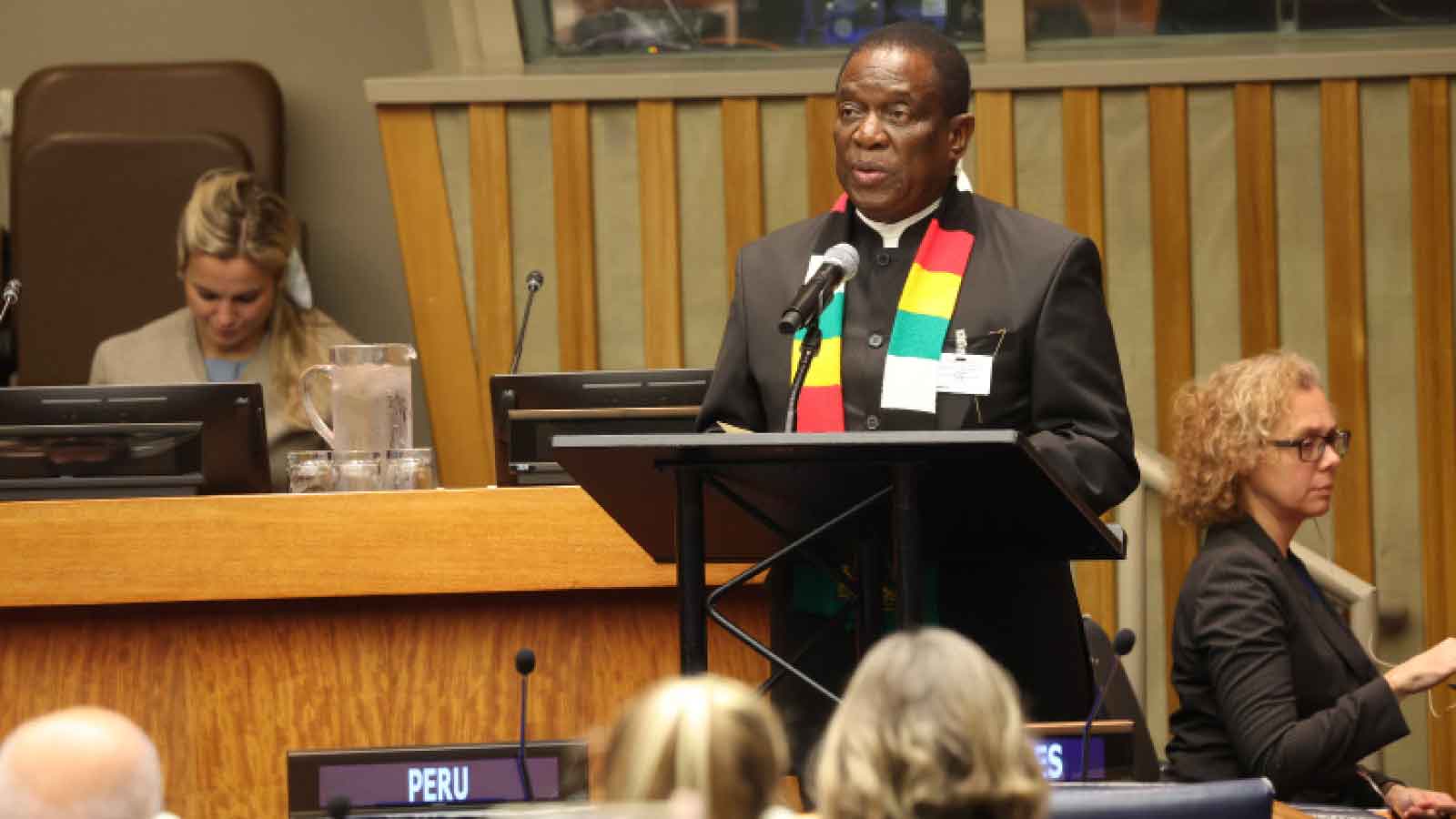
‘No to global inequalities’ . . . Development a basic human right for all, says President
Wallace Ruzvidzo in NEW YORK, USA DEVELOPMENT acquires its fullest meaning when every person and nation has a genuine opportunity to shape their course and share the benefits, President Mnangagwa…