

 dyton mupawaenda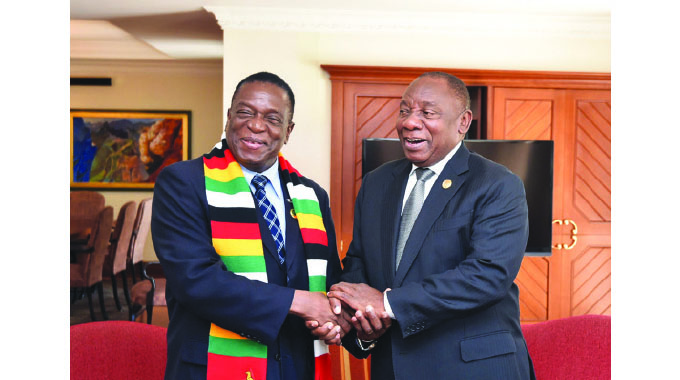
Marylyn Mutize-Correspondent
Just as a bird, vibrant and full of life, is held back by an intrusive tether, so is Zimbabwe, a nation teeming with promise and potential.
The great southern African nation is endowed with an array of natural resources, a resilient and hardworking populace, and a strategic location that could make it a powerhouse in the region.
Yet it remains shackled by international economic sanctions that have impaired the nation’s ability to fully realise and harness its potential.
These sanctions, originally imposed due to a complex political landscape, have evolved into a burden, a yoke that has held the nation down, stymieing growth and development.
The time has come for the international community to reassess the impact and continued relevance of these sanctions in today’s context.
The United Nations Special Rapporteur Alena Douhan has observed that these sanctions have had profound economic and humanitarian impacts on Zimbabwe.
Her findings highlight how these sanctions have disproportionately affected the most vulnerable sections of the population.
These are people who had no part in the political machinations that led to the imposition of the sanctions and yet bear the brunt of their effect.
The late former UN Secretary-General, Kofi Annan, profoundly encapsulated this paradox when he stated, “Sanctions remain a blunt instrument which hurt large numbers of people who are not their primary targets.”
The plea for the swift removal of sanctions is a call for the international community to adopt more effective, targeted strategies that foster transparency, accountability and good governance.
Renowned economist Jeffrey Sachs has aptly suggested, “Rather than broad-based sanctions, the international community should focus on targeted interventions that help to build institutions and support civil society.”
President Mnangagwa, in his recent address to the 78th session of the United Nations General, made a passionate appeal for the revocation of these sanctions.
The President argued that these sanctions have become a stumbling block to Zimbabwe’s prosperity and an affront to the nation’s sovereignty.
He urged the international community to reconsider its stance and allow Zimbabwe the opportunity to chart a new path towards sustainable development and prosperity.
South African President Cyril Ramaphosa has also consistently called for the lifting of sanctions.
He has noted that these sanctions are inhibiting Zimbabwe’s ability to achieve progress.
In a recent statement, he asserted, “The sanctions against Zimbabwe are unjust. It is time they were lifted.”
This sentiment underscores the growing regional consensus that the sanctions are counterproductive and are hindering regional integration and cooperation.
This call for the lifting of sanctions is echoed by regional bodies such as the Southern African Development Community (SADC) and the African Union (AU).
These organisations have consistently urged the international community to lift the sanctions to allow Zimbabwe to engage with the world on a level playing field.
This aligns with sentiments expressed by former Tanzanian President Julius Nyerere, who once said, “Independence cannot be real if a nation depends upon gifts.”
Former US President Barack Obama, an advocate for dialogue over isolation, once said, “Change is brought about because ordinary people do extraordinary things”.
The “extraordinary thing” in this instance would be the lifting of sanctions, paving the way for constructive dialogue and transformation in Zimbabwe.
Economic sanctions, while often effective in compelling nations to align with global norms, can also inadvertently stifle growth, and undermine the social fabric of the targeted nations.
Zimbabwe has been under such sanctions for over two decades, and the impact has been devastating to its economy and people.
Sanctions have crippled the nation’s ability to engage in international trade, attract foreign investments, and access international loans crucial for development projects.
Despite the rhetoric often surrounding sanctions, they rarely hurt the political elites who are their intended targets.
Instead, they inflict widespread suffering on the ordinary people, pushing millions into poverty and exacerbating social inequality.
As Nobel laureate economist, Joseph Stiglitz, once observed, “Economic sanctions are, at their core, a war against public health.”
The removal of sanctions on Zimbabwe offers the international community an opportunity to adopt a new approach in its relations with Zimbabwe.
An approach based on dialogue, mutual respect, and co-operation that could foster sustainable development and promote democracy.
Zimbabwe is a nation with significant potential.
Its vast mineral resources, fertile agricultural lands, and vibrant people could make it one of Africa’s success stories. But for this potential to be realised, the nation needs to be given a fair chance to compete on the global stage.
As famed investor Warren Buffet notes, “The best investment is in the tools of one’s own trade.”
In Zimbabwe’s case, the ‘tools’ are its rich natural resources and its industrious people, currently stifled by the stranglehold of sanctions.
The continued imposition of sanctions on Zimbabwe has become a hurdle to progress and an amplification of suffering.
It is time for the international community to heed the wisdom of prominent voices and lift the sanctions, allowing Zimbabwe to spread its wings and soar towards progress and prosperity.
It is time for the bird to be untethered, for Zimbabwe to be given the chance to fly again.



 Online Reporter