

 Online Reporter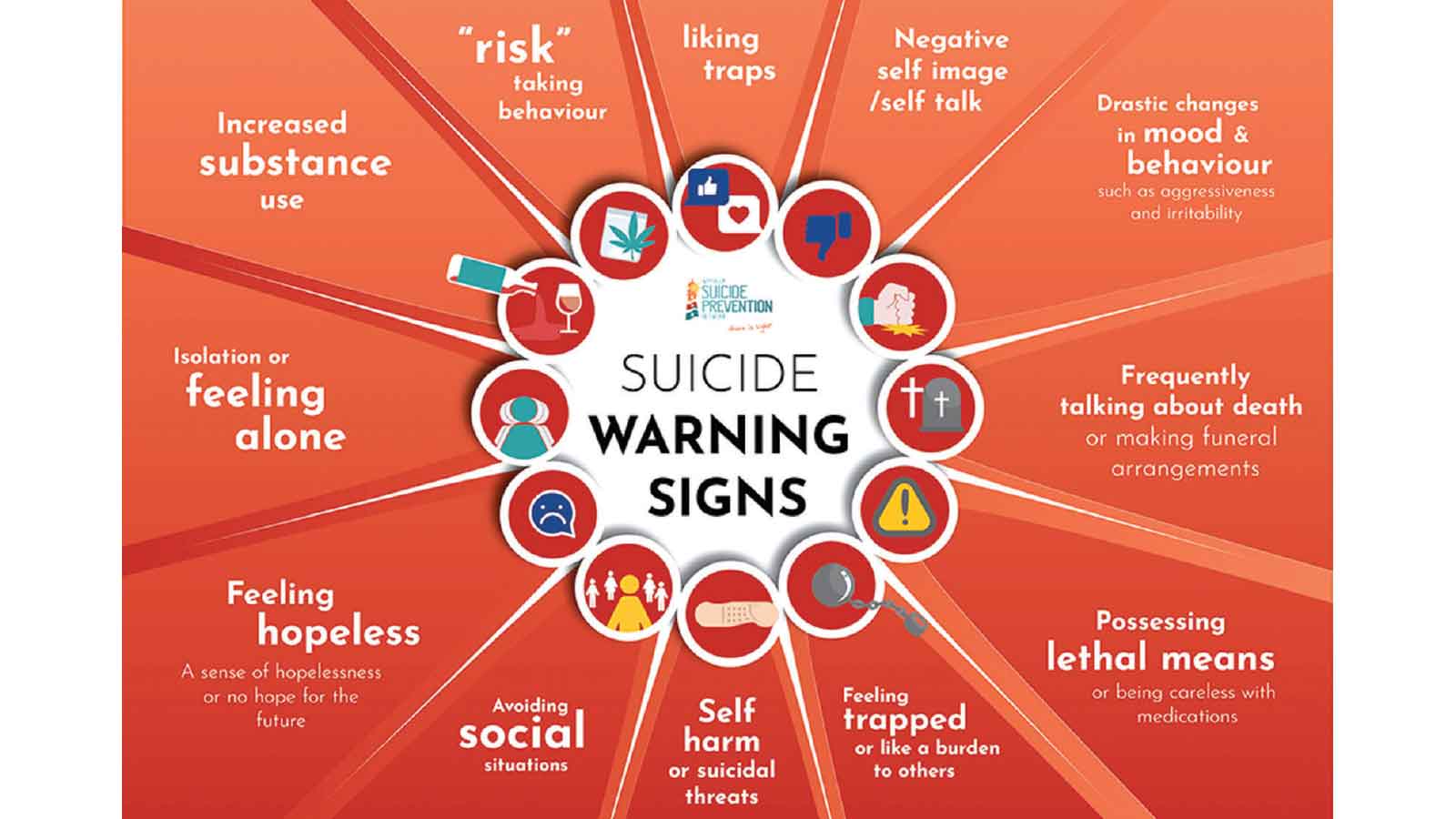
Fungai Lupande
Feature Writer
IN the quiet, dusty sprawl of Dotito, where the rhythms of rural life have pulsed unchanged for generations, a new and terrifying silence has descended.
It is the silence left behind by rope burns, poison bottles, and the unbearable question; why would a man who has lived a century choose death?
That centenarian, a keeper of untold village memories, was found to have taken his own life. The preliminary verdict from those who knew him points not to a sudden illness, but to a slow, crushing agony, neglect.
“It is shocking, such an old man would want to end his life,” says Chief Dotito, his voice heavy with a grief that has become all too familiar.
“We realised that he was not being properly cared for.”
The chief’s lament is not an isolated whisper. It is a growing roar across Mashonaland Central Province, where mental health — long a shadow in Zimbabwe’s HIV response — is now being thrust into the harsh, unforgiving light.
For decades, the National AIDS Council (NAC) has focused on viral loads, antiretroviral adherence and preventing mother-to-child transmission. But the human heart, it turns out, does not respond to pills alone.
“People living with HIV often face multiple pressures that affect their psychological well-being,” said Mr Edgar Muzulu, NAC’s Provincial Manager.
He ticks off the culprits like a doctor diagnosing a complex comorbidity: stigma, poverty, substance abuse and broken families.
In Dotito, these pressures are culminating in a grotesque violence turned inward. Chief Dotito reports that hardly two months pass without multiple suicide incidents. The latest case, involving a 17-year-old girl, has torn the community apart.
According to tradition, she was placed into an early marriage. When the union crumbled, she faced not rescue, but rejection and abuse. Her response was final.
“These cases highlight the vulnerability of young girls, particularly in the context of child marriages and family breakdowns,” the chief says.
In response, NAC, working alongside the Ministry of Health and Child Care and UNICEF, has begun an urgent pivot, integrating mental health services into the daily flow of HIV care.
Gone are the days when a nurse only checked a patient’s CD4 count. Now, HIV patient monitoring tools have been updated to include routine mental health screening.
“Health personnel are now being equipped to provide care that addresses both physical and psychological needs,” Mr Muzulu says.
Across the province, nurses are being trained to spot the signs of depression, anxiety and suicidal ideation — not as separate ailments, but as twin epidemics feeding off one another.
Community health cadres, the foot soldiers of Zimbabwe’s HIV fight, are also being schooled in grassroots mental health first aid.
The goal, Mr Muzulu says, is to catch the distress before it mutates into tragedy.
“These combined interventions will improve early detection and management of mental health conditions, ultimately reducing severe outcomes linked to untreated psychological distress.”
Yet the path forward is littered with thorns deeper than any clinical checklist.
In Dotito and beyond, cultural beliefs about suicide remain fiercely rooted. Traditional burial rites treat those who die by suicide differently — a stigma that discourages families from speaking openly or seeking help.
Chief Dotito acknowledges this tension. While he respects tradition, he is now among a growing chorus calling for suicide to be understood primarily as a mental health issue.
“It requires care, support and early intervention,” he insists.
In the shade of a mukamba tree, the chief gathers his elders. He speaks not just of death, but of a policy that offers a lifeline, such as the Government’s school re-entry policy, which allows young mothers to return to the classroom.
“Efforts are now underway to engage parents and guardians to accept and support vulnerable children, including those who become pregnant while still in school,” he says.
For the girl who saw no way out, that policy came too late. But for the next teenager facing rejection, for the neglected elder who feels more burdens than blessings and for the HIV patient whose greatest enemy is not a virus, but an invisible desolation — there is a new strategy.
It begins not with a drug, but with a question. And in that question, asked kindly and routinely, lies the fragile hope of Dotito.
As Zimbabwe strengthens the integration of mental health into HIV services, Chief Dotito has a final, simple message: building supportive families and communities will be key to reversing the tide of psychological distress and preventing further loss of life.



