Online Reporter
AS Zimbabwe joins the world in commemorating World Breastfeeding Week, attention turns to the critical role of breastfeeding in safeguarding infant health and nutrition.
Breastfeeding remains one of the most effective ways to ensure child survival, with proven long-term benefits for health, development and economic productivity. Yet, many mothers across the country still face barriers, ranging from food insecurity and poor maternal nutrition to lack of support in the workplace and at home.
The Government of Zimbabwe, through the Ministry of Health and Child Care, has made commendable efforts in promoting breastfeeding and improving child nutrition outcomes.
However, turning policy into action requires strong partnerships with civil society, local communities and development actors. A number of organisations are playing a key role in supporting these national efforts, among them, Nutrition Action Zimbabwe (NAZ), which works closely with the Government and other stakeholders to reach the country’s most vulnerable communities with nutrition-focused interventions.
Our health and gender reporter, Andile Tshuma (AT), spoke to Mr Tapiwa Magaisa (TM), Executive Director of Nutrition Action Zimbabwe, to unpack the challenges faced by breastfeeding mothers, explore the country’s progress in maternal and child nutrition, and hear what more can be done to create a truly breastfeeding-friendly Zimbabwe.
AT: To start off, can you give us a brief overview of Nutrition Action Zimbabwe and the core areas your organisation focuses on?
TM: Nutrition Action Zimbabwe (NAZ), is driven by the vision of “A Zimbabwe free from hunger and malnutrition.”
Our mission is to eliminate chronic malnutrition and hunger among vulnerable communities through the implementation of comprehensive nutrition-specific and nutrition-sensitive interventions. Our work as a leading nutrition organisation in the country focuses on core areas that promote optimal nutrition and address malnutrition, including nutrition interventions such as Infant and Young Child Feeding (IYCF) practices and integrated management of acute malnutrition both at health facilities and in the community. Crucially, we integrate this with nutrition-sensitive programming, which includes building resilient food security and livelihoods through climate-smart agriculture, incorporating models such as Village Savings and Lending (VSL), enhancing water, sanitation, and hygiene (Wash), and championing gender and social inclusion. We also lead in Anticipatory Action and Disaster Risk Reduction, ensuring communities are prepared for and can recover from shocks. This integrated, nutrition focused, community-led approach, predominantly defines our work.
AT: As Zimbabwe joins the world in commemorating World Breastfeeding Week, what is your key message to the nation, especially mothers and caregivers?
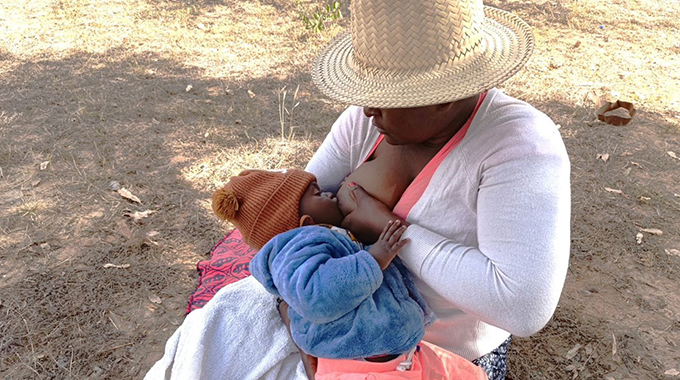
TM: Breastfeeding is a child’s first and most powerful vaccine. It is the gold standard for infant nutrition, providing unparalleled protection against illness and laying the foundation for lifelong health and cognitive development. To every mother and caregiver in Zimbabwe, know that your dedication to breastfeeding is a heroic act of love and resilience. It is the most impactful investment you can make in your child’s future and by extension, in the future of our nation. Let us collectively support, protect, and promote this incredible gift of life.
AT: What are some of the biggest challenges faced by breastfeeding mothers in Zimbabwe today?
TM: Breastfeeding mothers in Zimbabwe face a myriad of challenges, particularly in the regions where we operate, where the pervasive issue of food insecurity, reduced household income capacity and poor maternal nutrition directly impacts a mother’s ability to produce and be available to sufficiently breastfeed her baby. Beyond that, there’s often a lack of adequate knowledge and consistent support systems, particularly in remote rural areas. Workplace environments can be unsupportive as well, making it difficult for mothers to balance work and breastfeeding. We also contend with deeply ingrained cultural myths and misinformation that can undermine optimal practices, particularly when it comes to exclusive breastfeeding the first six months from birth to 24 months. Lastly, the increasing frequency of climate shocks puts immense stress on households, impacting a mother’s physical and psychosocial well-being, which in turn affects breastfeeding success.
AT: Do we have national data or trends on breastfeeding rates and patterns in Zimbabwe? How do rural and urban areas compare?
TM: Yes, national data, primarily from sources such as the Zimbabwe Demographic and Health Survey (ZDHS) and ZimStat, provides crucial insights into our breastfeeding landscape. While specific figures fluctuate, general trends often indicate that exclusive breastfeeding rates are initially higher in rural areas, possibly due to less exposure to formula marketing and stronger community traditions. According to latest reports from Unicef, globally, only 44 percent of infants are exclusively breastfed in the first six months of life, while in Zimbabwe it is even lower at 42 percent, falling short of the Sustainable Development Goal target of at least 70 percent by 2030. However, challenges with sustained breastfeeding can emerge due to workload and limited access to diverse foods. In urban areas, mothers often face pressures from formal employment, lack of supportive workplace policies, and the influence of modern lifestyles, which can lead to earlier introduction of complementary foods or formula. This highlights the need for tailored interventions that address the unique contexts of both rural and urban mothers.
AT: How does malnutrition in infants relate to poor breastfeeding practices or lack of support for breastfeeding?
TM: The link is direct and undeniable. Suboptimal breastfeeding practices, such as not initiating breastfeeding within the first hour of birth, not exclusively breastfeeding for the first six months, or stopping breastfeeding too early, significantly increase an infant’s vulnerability to malnutrition. When infants don’t receive the complete nutritional and immunological benefits of breast milk, they are more susceptible to infections like diarrhoea and pneumonia, which are major contributors to stunting and wasting. Lack of support for mothers can lead to frustration, early introduction of unsafe or nutritionally inadequate complementary foods, and ultimately, a higher risk of malnutrition and poor developmental outcomes. Breastfeeding is a powerful protective shield against malnutrition.
AT: In your experience, how much do cultural beliefs and myths influence breastfeeding decisions?
TM: Cultural beliefs and myths play a significant role, often dictating practices that can either support or hinder optimal breastfeeding. For instance, beliefs about colostrum being “dirty/ unholy” or the need to introduce water, herbal concoctions, or other foods early can undermine exclusive breastfeeding. Food taboos for mothers can also impact their nutritional intake and milk supply. As NAZ, we recognise the importance of cultural sensitivity. Our social behaviour change strategies, delivered through our Care Groups, involve engaging traditional leaders and community elders. We facilitate open dialogues to respectfully address these myths, replacing them with evidence-based knowledge that is culturally appropriate and understood.
AT: How is Nutrition Action Zimbabwe supporting breastfeeding mothers — both directly and through policy engagement?
TM: Directly, our flagship implementation model, the Care Group Model is instrumental to our community engagement and behaviour change work in nutrition programming. We train volunteer mothers who then cascade vital IYCF messages to their peers, covering everything from proper latching and positioning to responsive feeding and family-led MUAC screening for early malnutrition detection. Our community empowerment models empower women economically, providing them with resources to improve household food security and access health services, indirectly supporting their ability to breastfeed. We also promote nutrition gardens and climate-smart agriculture, ensuring mothers have access to diverse, nutritious foods.
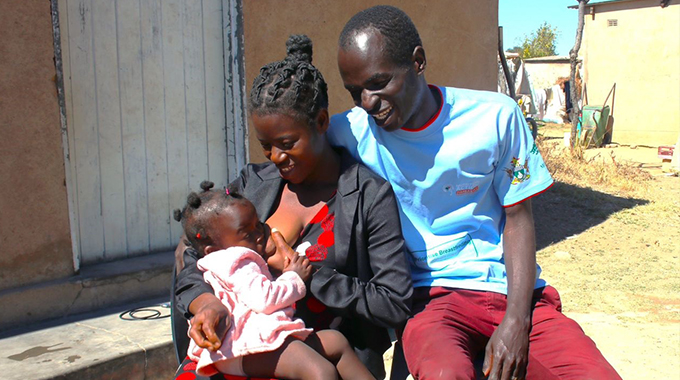
On the policy front, we actively engage with the Ministry of Health and Child Care and other relevant ministries. We contribute to the development and review of national IYCF guidelines and nutrition strategies, advocating for policies that protect and promote breastfeeding, including stronger workplace support for mothers. Our participation in national technical working groups ensures that community-level realities inform national policy.
AT: How important is maternal nutrition in ensuring successful breastfeeding and healthy child development?
TM: Maternal nutrition is paramount. A well-nourished mother is better equipped to comfortably and confidently produce sufficient quantities of breast milk, and the quality of her diet directly influences the nutrient composition of her milk without affecting her nutritional status. Beyond milk production, good maternal nutrition ensures the mother’s own health and energy levels, which are critical for the demanding task of breastfeeding and caring for an infant. When mothers are malnourished, both they and their infants are at higher risk of adverse health outcomes, perpetuating a vicious cycle of poor nutrition. Our food security programmes are thus intrinsically linked to supporting successful breastfeeding.
AT: Do you think the workplace environment in Zimbabwe is supportive of breastfeeding and maternal health needs? What improvements are necessary?
TM: While there are existing policies, the workplace environment in Zimbabwe often falls short of being truly supportive of breastfeeding and maternal health needs. Many mothers lack adequate paid maternity leave, sufficient lactation breaks, or designated private and hygienic spaces for expressing and storing breast milk. There can also be stigma or a lack of understanding from employers and colleagues.
Improvements are urgently needed. This includes stronger enforcement of existing legislation, employer education on the benefits of breastfeeding-friendly workplaces, and incentives for businesses that implement supportive policies. Flexible work arrangements, on-site childcare, and clear communication about maternity rights are all crucial steps to ensure mothers can continue breastfeeding successfully upon returning to work.
AT: Are there psychosocial aspects, such as stress, stigma, or postnatal depression — that affect breastfeeding, and how does your organisation help address these?
TM: Absolutely. The psychosocial well-being of a mother is profoundly linked to her breastfeeding journey. Stress, anxiety, lack of family support, societal stigma, and particularly postnatal depression can significantly hinder milk supply and a mother’s confidence in breastfeeding. As NAZ, we address this through the peer support networks within our Care Groups and other community groups and structures. These groups create safe spaces for mothers to share experiences, receive emotional encouragement, and build confidence. Our community volunteers are trained to identify signs of distress and provide basic psychosocial support, linking mothers to formal mental health services where available. We also foster community dialogues to challenge stigma and promote a supportive environment for new mothers.
AT: Can you share examples of community-based initiatives that your organisation has implemented to improve breastfeeding and infant nutrition?
TM: Our community-based initiatives are at the heart of our impact. The Care Group Model is our flagship, where volunteer mothers are trained on IYCF practices, including exclusive breastfeeding, complementary feeding, and responsive feeding. They then cascade this knowledge to groups of 10 to 15 peer mothers, ensuring sustained behavioural change. We also implement Family-Led MUAC (Mid-Upper Arm Circumference) screenings, empowering caregivers to routinely screen their own children for malnutrition at home, leading to early detection and referral. Our food security and resilience programming with models such as nutrition gardens provide diverse, nutrient-rich foods for household consumption, directly supporting maternal and child diets, and we encourage the cultivation of bio-fortified crops. Additionally, our Farming with Alternative Pollinators (FAP) programme integrates permaculture and conservation, boosting crop yields and biodiversity, which translates into better food security and nutrition at the household level, all of which improve the nutritional status of the household.
AT: How do you work with local health facilities and community health workers to extend your reach?
TM: Collaboration with the Ministry of Health and Child Care (MoHCC) and local health structures is fundamental to our strategy. We work hand-in-hand with local health facilities, training community health workers (CHWs) and Village Health Workers (VHWs) on IYCF guidelines, Integrated Management of Acute Malnutrition (IMAM) protocols, and effective referral pathways. Our community-level screenings feed directly into the formal health system, ensuring that children identified with malnutrition receive timely treatment. We engage in joint planning, supervision, and monitoring with district health teams, ensuring our interventions complement and strengthen existing government services, thereby extending our collective reach and impact.
AT: What role does male involvement or family support play in breastfeeding success, and do your programmes target men too?
TM: Male involvement and broader family support are absolutely critical for breastfeeding success. Breastfeeding is not solely a mother’s responsibility; it’s a family and community affair. When fathers, husbands, grandmothers and other family members understand the importance of breastfeeding and actively provide emotional, practical, and financial support, mothers are more likely to initiate and sustain breastfeeding. Our programmes explicitly target men through dedicated sessions within Care Groups and broader community dialogues. We engage them on topics like shared household responsibilities, dispelling myths, and understanding their crucial role in creating a supportive environment for breastfeeding mothers. This holistic family approach yields far better results.
AT: Are current national policies and guidelines in Zimbabwe adequate to promote and protect breastfeeding?
TM: Zimbabwe has made commendable progress in developing national policies and guidelines to promote and protect breastfeeding, such as the National Nutrition Strategy and specific IYCF guidelines as well as care group guidelines. The framework is largely adequate on paper. However, the primary challenge lies in the consistent and comprehensive implementation and enforcement of these policies across all levels, from national to community, and crucially, within workplaces. There is a continuous need for stronger multi-sectoral coordination, increased budget allocation for nutrition interventions, and robust monitoring mechanisms to ensure these policies translate into tangible improvements in breastfeeding rates and practices.
AT: How are you working with the Ministry of Health and other partners to strengthen maternal and child nutrition programming?
TM: Our collaboration is multi-faceted. We are active members of national technical working groups and clusters, where we contribute to strategic planning, share evidence from our field operations, and advocate for integrated approaches. We engage in joint programme design and implementation with the Ministry of Health and Child Care, Unicef and other key partners to ensure complementarity and avoid duplication. Our partnerships extend to other international NGOs such as CARE and Action Contre la Faim (ACF), allowing us to leverage diverse expertise and resources for a more comprehensive response. This collaborative spirit is essential for strengthening the national maternal and child nutrition landscape.
AT: What challenges do you face as an organisation in implementing nutrition interventions, and how can stakeholders better support your work?
TM: As a local organisation, we face several challenges. Funding gaps, particularly the need for more flexible and direct funding to local entities such as NAZ, remain a significant hurdle. Climate shocks, such as the recent El Niño-induced drought, constantly disrupt our interventions and strain resources. We have made significant strides in strengthening our capacity in specialised areas like digital transformation for data management and advanced Meal systems to rigorously demonstrate impact, but with advances in the digital world, more can certainly be done.
Reaching highly remote and vulnerable populations with sustained support is also an ongoing challenge. We call for increased direct funding to local organisations, recognising our agility and deep community roots. Furthermore, continued policy advocacy support and coordinated emergency response efforts are critical to create an enabling environment for our interventions to thrive.
AT: What’s next for Nutrition Action Zimbabwe in the coming months? Any upcoming projects or campaigns?
TM: We are currently in an exciting phase of developing our new Strategic Plan for 2026-2030. This will guide our future direction, with a strong emphasis on deepening our community-led food and nutrition security approaches, strengthening adaptive capacity and anticipatory action for climate resilience, and leading the localisation agenda in humanitarian and development efforts. We aim to scale up our most successful models, such as the Care Group approach and Farming with Alternative Pollinators (FAP), to reach even more vulnerable communities. Our immediate focus also includes continued response to the climate influenced impacts such as the El Niño, ensuring that communities are supported through these challenging periods. We also look forward to intensified efforts for private sector engagement and ensuring community development efforts are integrated driving not only aid but also trade through the communities we work with.
AT: If you had a message to policymakers, what would you urge them to prioritise?
TM: My message to policymakers is unequivocal: Prioritise nutrition and specifically breastfeeding and maternal nutrition, as a cornerstone of national development. I urge them to translate policies into tangible action by increasing budget allocation for nutrition interventions, strengthening the implementation and enforcement of existing breastfeeding protection policies, and investing significantly in community health systems and local organisations. Furthermore, integrate nutrition across all relevant sectors, agriculture, education, social protection and gender, ensuring a truly multi-sectoral approach that recognises the interconnectedness of these issues.
AT: How can ordinary Zimbabweans, neighbours, families, even employers, play a part in creating a more supportive environment for breastfeeding mothers?
TM: Every Zimbabwean has a role to play. For families and neighbours, it’s about providing unwavering emotional and practical support to new mothers, helping with household chores, offering encouragement, and protecting the mother’s time for breastfeeding. Employers must go beyond basic compliance; they should create truly breastfeeding-friendly workplaces with dedicated lactation spaces, flexible hours, and a culture that celebrates maternal health. Community leaders can champion breastfeeding, challenge harmful myths, and foster a supportive environment for all mothers. It’s about building a collective understanding that a healthy child benefits us all.
AT: Finally, what does a breastfeeding-friendly Zimbabwe look like to you?
TM: A breastfeeding-friendly Zimbabwe, to me, is a nation where every mother feels fully supported, informed and empowered to breastfeed optimally, free from stigma or barriers. It’s a country where workplaces, communities and health systems actively facilitate and protect breastfeeding. It means seeing high rates of exclusive breastfeeding and continued breastfeeding, leading to a generation of healthy, thriving children who reach their full potential.
Ultimately, it’s a society that deeply values and protects this natural, life-saving practice, recognising it as a fundamental investment in our human capital and national prosperity.


 Bongani Ndlovu