

 admin
admin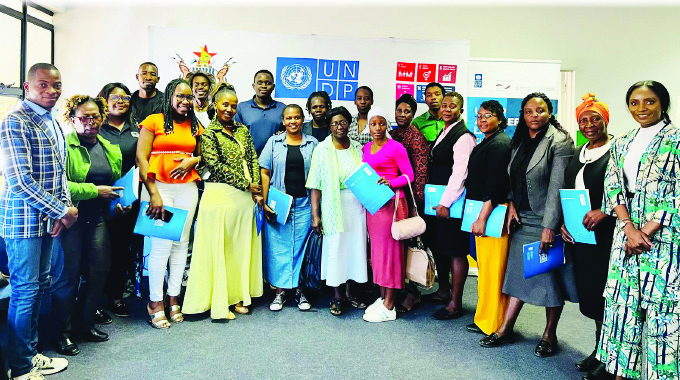
Gibson Mhaka
THE rapid pace of digitalisation and technological innovation is transforming the business landscape, particularly for youth and women-led Small and Medium Enterprises (SMEs).
To thrive in this new economy, these enterprises must acquire a new set of digital skills to compete effectively. Mastering these foundational digital skills is essential for youth and women-led SMEs to sustain growth and innovation.
These skills serve as a launch pad for acquiring more advanced digital competencies, enabling businesses to compete effectively in the digital economy.
Women and girls, particularly those in rural areas, are disproportionately disadvantaged when it comes to digital skills. This gap in digital literacy significantly hinders their ability to leverage digital platforms for marketing their products and services, limiting their economic opportunities.
Through the equitable provision of basic, foundational digital skills — digitalisation can see employment and productivity gains in traditionally low productive and informal sectors which are over-represented by marginalised groups, youth, and women and girls.
Recognising this potential, the United Nations Development Fund (UNDP) Zimbabwe, collaborated with the Bulawayo Tech Hub and empowered youth and women-led SMEs in the city to digitally market their products and services to a global audience.
The training programme aimed to equip youth and women-led start-ups with the skills to leverage social media platforms such as Facebook, Instagram, and Twitter for reaching and engaging customers on a local, regional, and international scale.
UNDP Zimbabwe’s Head of Exploration, Violet Katiyo, emphasised that the training was a cornerstone of UNDP’s strategy to equip youth and women-led SMEs to capitalise on the African Continental Free Trade Area (AfCFTA).
She said the programme provided comprehensive training in branding, marketing, and export to empower these businesses to compete effectively in regional and international markets.
“This workshop is a crucial component of UNDP Zimbabwe’s broader initiative to empower youth and women-led SMEs to capitalise on the African Continental Free Trade Area. Our training encompasses a wide range of topics, including branding, marketing, export management, and logistics, to equip these businesses for international competition.
“We recognise the immense potential of e-commerce and are committed to providing the necessary skills to expand market reach. This is the first of many such trainings planned across Zimbabwe, and we are collaborating closely with the Ministry of Women’s Affairs and SMEs Development to maximise impact,” said Katiyo.
She said the training equipped SMEs with the digital skills to effectively utilise platforms like Facebook, WhatsApp Business, and Instagram to reach a wider audience.
“By mastering these tools, businesses can create their own e-commerce platforms and expand their market reach beyond local borders. This training is the first of many that are going to be conducted across Zimbabwe and we are working with the relevant ministry, which is the Ministry of Women Affairs, Community, SMEs Development.
“We are going to all provinces in Zimbabwe where we are training on export readiness topics and digital skills,” she said.
It is important to note that the training came at a pivotal time for Zimbabwe’s SME sector, which has experienced substantial growth in recent years. Now contributing over US$8,6 billion annually to the Gross Domestic Product (GDP) and employing 4,8 million people full-time, the sector is a cornerstone of the Zimbabwean economy.
A beneficiary of the training, Gogo Siwinile Ncube, a printing business owner with limited digital literacy, expressed new-found confidence in leveraging social media platforms to grow her business after completing the digital skills training.
“Previously, I was unfamiliar with online business operations. However, this training has equipped me with the knowledge to effectively utilise platforms like Facebook and Instagram to market my printing services. By mastering these digital tools, I anticipate expanding my customer base, increasing market share, and ultimately driving business growth,” she said.
Another beneficiary, Gift Ndlovu, who specialises in website design, praised the training for providing valuable insights on establishing a strong digital presence for his business.
“I learnt that a limited digital presence can significantly hinder business growth. The training equipped me with the necessary skills to create a strong online platform, allowing me to reach a wider audience and increase my customer base,” said Ndlovu.
Founder of Girls in STEM and co-founder of Bulawayo Tech-Hub Victoria Nxumalo, hailed the training, emphasising its potential to alleviate the challenges small businesses face in accessing digital marketing.
She highlighted the increasing reliance on online platforms for conducting business and underscored the training’s importance in bridging this digital divide.
“It’s very important for women to step into the technological space as well because this is something that has not been happening. When they want to create flyers for their small businesses, they have been struggling to get prices that are fair as small businesses,” she said.



 Online Reporter