Online Reporter
Gibson Mhaka, Senior Features Writer
BEFORE this programme, I honestly felt like my voice didn’t matter. Now, I understand the processes, and I know how to approach our local council with our concerns.
“It’s all about equipping young people with the skills they need to genuinely participate in local governance issues, and this programme has been truly beneficial in that regard,” said Silungile Moyo (26), an out-of-school youth from Ward 2, Matshetsheni area, under Gwanda Rural District Council (RDC) in Matabeleland South Province.
She added, “The training on engaging the media was also a game-changer.
“We learnt how to frame our messages effectively, and it’s made a huge difference in getting our community’s attention on important youth issues, empowering us to contribute our perspectives and leadership skills in local governance.”
Silungile was speaking after attending a “Youth in Local Governance Linking and Learning Platform Programme”.
The event was recently hosted in Bulawayo by Gender Links, with support from the European Union in partnership with Hivos and the Ministry of Local Government and Public Works Youth Desk.
This programme is specifically designed to empower young individuals, typically between the ages of 15 and 35, by involving them in the decision-making processes and governance of their local communities.
Its core aim is to promote the visibility, meaningful contribution, and maximum participation of youth in local governance, enabling them to contribute their unique perspectives and leadership skills.
The programme, which involved youth, junior councillors and junior members of parliament from Bulawayo, Lupane, Gwanda and Umzingwane, is rooted in a fundamental belief: young people are not just beneficiaries of development but active agents of change.
For Silungile, who serves as the youth focal person in her ward, co-ordinating local youth activities, the programme has been particularly impactful.
“I have attended all the sessions and had my own expectations, primarily to mingle with other youth and gain fresh perspectives and advice,” she shared.
The skills and confidence gained from the training have significantly boosted her efforts on the ground.
“I serve as the youth focal person in my ward, co-ordinating youth activities there. Following the training, I’m going to sit down with young people, talk to them and advice them on how best they can take care of themselves to become better people and leaders of tomorrow,” Silungile said.
“I even created a WhatsApp group where I share advice daily, hoping it will make a positive difference in their lives.”
Her commitment extends to addressing pressing community issues.
“So far, I’m trying to engage them so we can identify and implement projects that will keep us busy and help avoid drug and substance abuse in my village,” said Silungile.
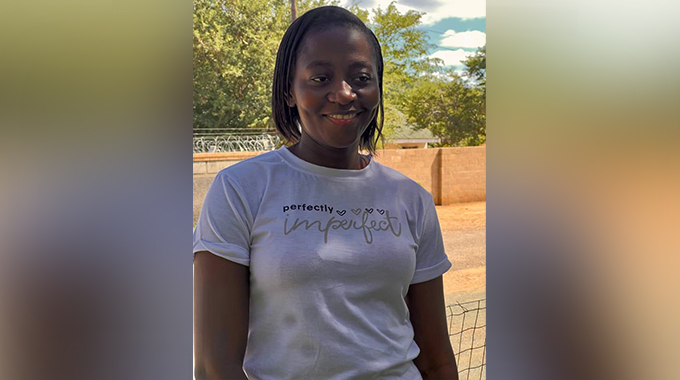
Pilasande Dube (25), another out-of-school youth from Lupane, Matabeleland North province, added her perspective on the programme’s impact.
“The programme has been incredibly helpful. We are being groomed on how to be leaders and how best we can be involved in local governance. Since our first training, we have been able to engage with other youth,” she said.
Pilasande’s commitment, just like Silungile, goes beyond merely attending workshops; she’s actively involved in her community.
“We have also been busy engaging other young people in various initiatives,” she said. “It’s about bringing everyone along.”
However, despite their efforts, challenges remain
Pilasande said they were still facing hurdles such as reluctance from young people to participate in programmes because they often expect something in return.
“The prevailing mentality is, ‘If I show up, what am I getting in return?’ instead of recognising that the information they might gain could help them in the near future.
“Many are not fully aware of how they can become effective leaders, even though we are the future leaders, or even the leaders of today and need to be present in many forums,” Pilasande explained.
In spite of these challenges, progress is still evident
“We’re seeing an improvement. It’s no longer the same situation where people weren’t showing up at all,” said Pilasande.
“We recently held a successful youth campaign with about 50 percent attendance. Our main topic was youth unemployment in Lupane. We then took our concerns to the senior councillors and had a feedback meeting with them to update them on what we had discussed and how we expected them to help us. For instance, we suggested that when there are open vacancies, young people should be included and participate in everything,” she added.
Echoing this positive sentiment, Junior Mayor of Gwanda Municipality, Ben Robert Sibanda, lauded the workshop’s organisers, saying they “gained quite a lot as junior councillors” from the experience.
“The workshop equipped us with the rightful character and qualities to be good leaders and to be involved in decision-making at the local government level.
“We gained quite a lot as junior councillors, and by interacting with out-of-school youths, we also learned about the challenges they’re facing.
“This way, when we leave school, we’ll know what to expect and be equipped to tackle all the challenges ahead of us,” he said.
Gender Links Zimbabwe programme co-ordinator Mr Tapiwa Zvaraya, said the programme was aimed at equipping young people with the skills they need to participate in governance.
“It’s all about equipping our young people with the skills they need to genuinely participate in local governance issues.
“It’s crucial for young people to participate in governance processes as they are key in shaping their own needs.
“Often, young people’s voices are not heard, not because they shouldn’t be, but because their issues are sometimes not properly articulated,” said Mr Zvaraya.
He emphasised that these are not just casual conversations, but rather the culmination of intensive training on governance processes, budget consultations, and engaging with local authorities — skills that were once largely inaccessible to many young Zimbabweans.
“Critically, we have managed to provide these young people with essential skills on governance processes and how to engage local authorities on youth participation.
“The focus is on their involvement in governance issues, budget consultations, and other local authority meetings. We want to create a conducive environment where young people can voice their issues,” he said.
Mr Zvaraya said the ripple effect of these efforts is becoming increasingly evident.
“To date, we have seen youth and junior councillors from across these areas converge to share their experiences on critical issues we have taught them, such as self-confidence and engaging the media.
“They have also managed to hold advocacy campaigns, some of whose outcomes have led to local authorities supporting the junior councillors and out-of-school youths, which is a significant step forward toward gender inclusivity,” said Mr Zvaraya.
City of Bulawayo Ward 17 Councillor Sikhululekile Moyo hailed the workshop saying it was pertinent as it highlighted many gaps that hinder young people from participating across various divides.
“We noted numerous challenges young people face, especially since junior councillors are elected or chosen from their respective schools within our communities.
“We also recognised the need to assist them in collaborating with the elected councillors in their respective wards.
“By working together, we can ensure young people realise their leaders are addressing their concerns.
“This collaboration will also help in organising awareness campaigns, especially during times like our current budget consultation review in Bulawayo.
“We are about to consult the citizens of Bulawayo, and while we know young people might not turn out in large numbers, having young leaders and junior councillors mobilise them alongside elected councillors will significantly boost participation,” she said.
Clr Moyo said they recognised that junior councillors and MPs who are chosen from schools often face restrictions on their activities outside of school.
“These are areas we believe teachers should also be involved as these restrictions continue to hinder open participation.
“We identified many such gaps across the region, with different local authorities, and I believe that by reviewing this meeting and checking the practices they promised to implement in their communities, it will help us evaluate the lessons learned and see the desired change,” she said.