

 Online Reporter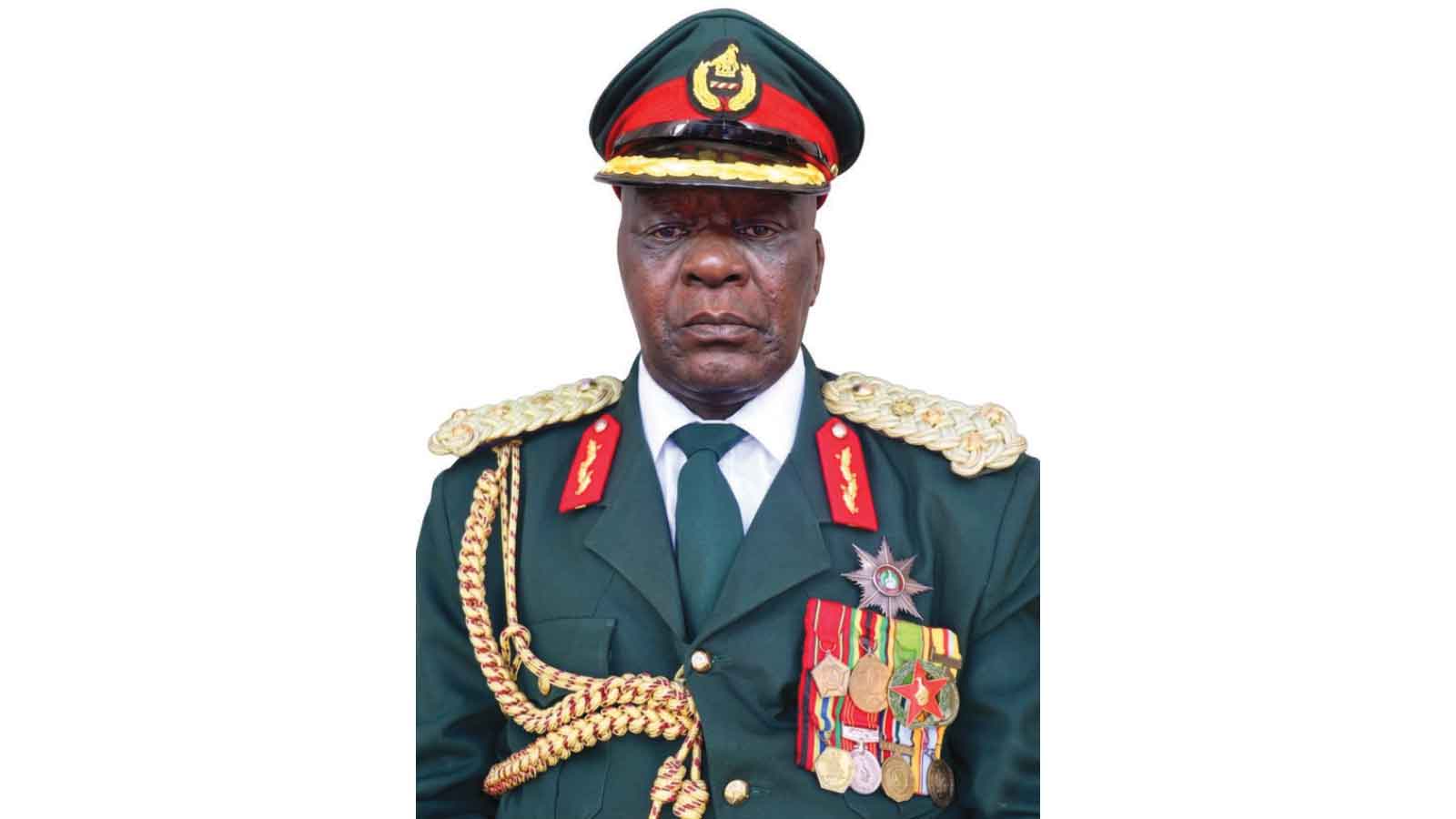
Richard Muponde
Zimpapers Politics Hub
THE death of Brigadier General (Rtd) Donald Silundi Tshuma came to me as the painful loss of a neighbour whose quiet presence had become part of the rhythm of life in Nkulumane 12, Bulawayo.
His passing on May 15, 2026, at the age of 71, closed a chapter not only for the Zimbabwe National Army, but also for those of us who unknowingly lived side by side with a man who had once carried the burdens of war, command and national duty with silent dignity.
For years, Brig-Gen Tshuma lived at House Number 14010 along the main road leading to Nkulumane 12 shops. I stayed nearby at number 14079.
Like many residents in the suburb, I initially knew him more through whispers, rumours and assumptions than through direct interaction. His house stood prominently near the City of Bulawayo’s designated commuter omnibus stop, a place where residents gathered every morning.
The bus stop had no seas. Weary commuters often sought temporary comfort by sitting on the flower beds outside his yard. One morning, as I casually sat there waiting for transport, a colleague quickly warned me in isiNdebele:
“Bro sukuma khonapho mjida walapha lisoja akafuni muntu eyadini yakhe engakungenisa emanyaleni.”
Translated loosely, he meant: “My brother, stand up from there. The owner is a soldier and does not want people around his yard. You may get yourself into trouble.”
At that time, I had never personally met Brig-Gen Tshuma. To many of us, he existed as an intimidating figure, a senior soldier whose military status alone inspired fear among ordinary residents. The assumption was that he was harsh, unapproachable and excessively strict. Yet life has a curious way of correcting misconceptions.
As time passed, I came to realise that Brig-Gen Tshuma was not the terrifying figure people imagined him to be. In truth, many feared not the man himself, but the uniform and rank they associated with him.
Behind the military stature was a reserved, humble and deeply introverted individual who simply preferred privacy and peace. His home itself reflected that quiet nature.
His yellow-and-green seven-roomed flat stood modestly beside the road, almost always silent. There were never signs of crowds, tenants or unnecessary activity.
Occasionally one would notice a young light-complexioned man around the premises, whom I later came to know as his son, Dumisani. Beyond that, the place remained calm and withdrawn from the noisy life typical of high-density suburbs.
Ironically, my first meaningful interaction with Brig-Gen Tshuma came not through conversation about politics or war, but through motor vehicles.
At the time, I owned a blue Nissan Patrol one-tonne V6 truck that had once belonged to the late national hero Brigadier Paul Armstrong Gunda. I had bought the vehicle at a bargain price from Mrs Tatenda Rangarirai Gunda.
The vehicle itself carried military history. During the late 1990s, it had formed part of Brig-Gen Gunda’s official army fleet.
One day, while driving through the neighbourhood, Brig-Gen Tshuma stopped me and carefully inspected the vehicle. His eyes immediately recognised it.
He asked where I had obtained it. After I explained its origins, his face softened into familiarity.
He told me he remembered the vehicle well and traced its history back to the late Brig Gen Gunda. What followed became one of the most memorable conversations I ever shared with him. We discussed how those South African model Nissan Patrols had entered Zimbabwe and how they were allocated to senior army officers during that era.
What fascinated me most was that Brig- Gen Tshuma himself owned a similar vehicle, but his was a metallic green Nissan Patrol, almost identical to mine except for the colour.
To ordinary people, they were simply powerful vehicles. But to the two of us that day, they represented an era of military prestige, liberation-war camaraderie and memories tied to Zimbabwe’s post-independence military history.
From that encounter, our relationship evolved. The feared soldier transformed into a familiar neighbour. Every time we met, greetings became inevitable. Sometimes we shared cigarettes and exchanged brief conversations about life, vehicles and old memories. He never displayed arrogance, or superiority. Instead, he carried himself with remarkable simplicity.
The last time I saw Brig-Gen Tshuma remains vivid in my mind.
It was during the final days of the Covid-19 lockdown period. I had already been transferred from Bulawayo to Harare, but had returned briefly before relocating my family. Around 5 am, while driving a white Foton truck bearing black-and-white military registration plates, he stopped and offered me a lift into town.
Inside the vehicle, we once again found ourselves revisiting the familiar topic of our beloved Nissan Patrols. By then, both of us had already disposed of those vehicles, but the memories remained alive. As we shared cigarettes in the cold early morning air, our conversation drifted nostalgically between stories of the machines, the years they symbolised and the changing times.
There was something deeply human about that moment. Here was a retired army general, a liberation war veteran who had commanded soldiers and served the nation, sitting quietly beside me speaking not about rank or politics, but about ordinary memories and old vehicles.
When he got off in town that morning, neither of us knew it would be our final meeting.
Then on Monday came the devastating news that Brig-Gen Tshuma had passed away at his Nkulumane residence.
Commander Zimbabwe National Army Lieutenant General Asher Walter Tapfumaneyi described his death as untimely and deeply saddening to the military.
Brig-Gen Tshuma retired from the Zimbabwe National Army in 2015. Yet beyond the military titles, ranks and official announcements lies another story, the story of a quiet man who lived among ordinary people without demanding recognition.
In many ways, Brig-Gen Tshuma represented a generation of liberation war veterans who carried enormous experiences silently within themselves. Unlike others who sought public attention after retirement, he chose a quiet existence away from political noise and public spectacle.
He neither harboured grudges nor sought to intimidate anyone. He simply lived his life quietly in Nkulumane 12, greeting neighbours occasionally, sharing cigarettes with familiar faces and protecting the privacy of his home.
Looking back now, I realise that the suburb misunderstood him for many years. The fear residents once associated with him came largely from assumptions attached to the military profession itself.
But beneath the military title was an introvert, calm, disciplined, observant and humble human being.



