


 Online Reporter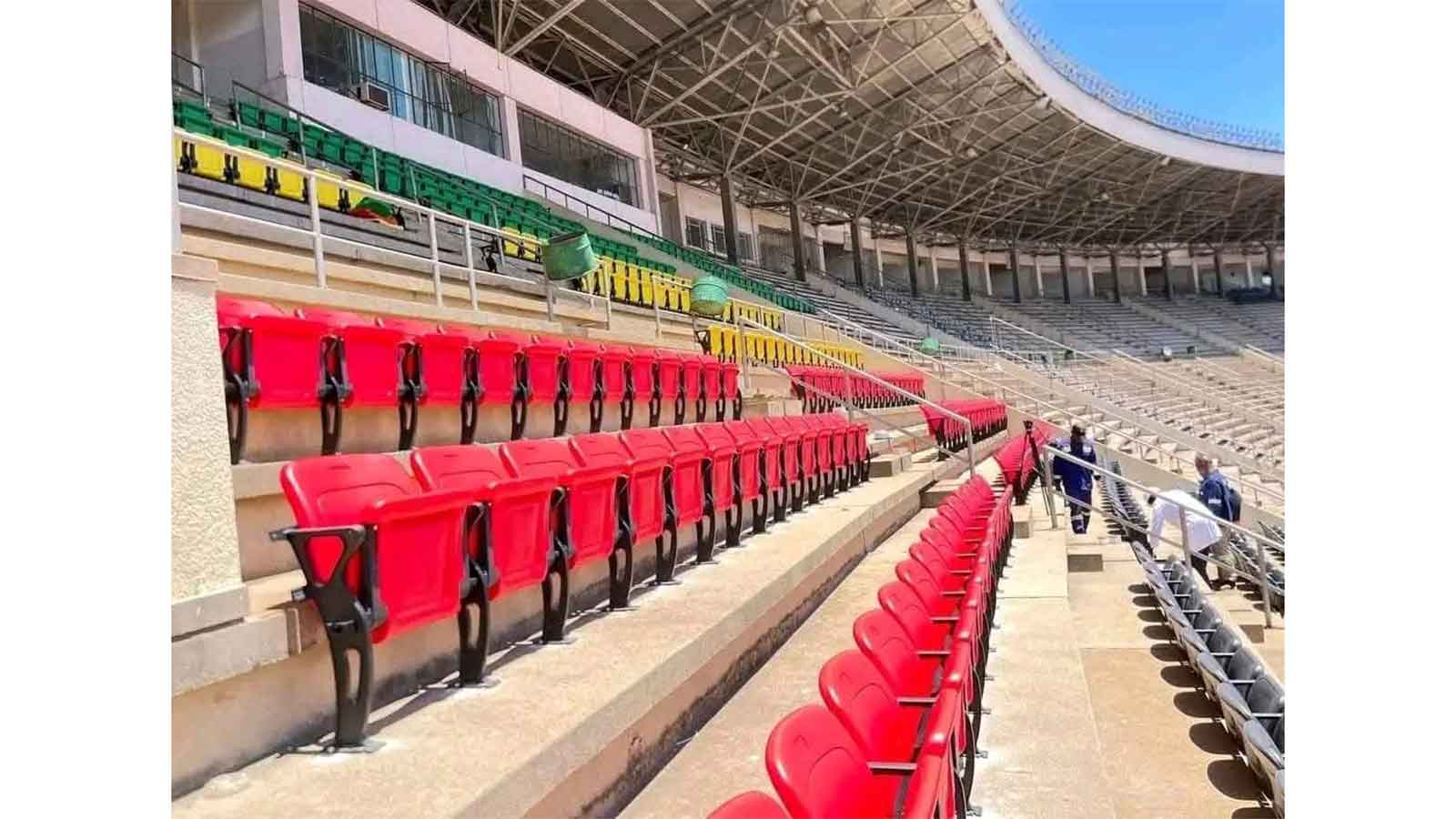
Inside ZIFA-Nqobile Magwizi
EVERY football fan in Zimbabwe knows this truth instinctively: Football is not just a sport. It is culture, community and identity woven into our national fabric.
It animates high-density suburbs, energises farms, fills buses on matchdays and turns strangers into family when a last-minute goal ripples the net.
Football is our universal language.
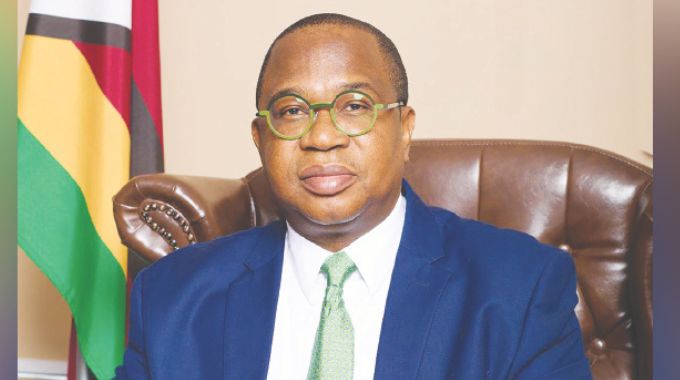
So, when Professor Mthuli Ncube stood to deliver the 2026 National Budget, the entire football community leaned in with rare attentiveness.
For once, the budget did not treat football as an afterthought. It spoke our language. It recognised the game as a strategic pillar of national development. And that alone marks a profound shift.
For years, we have pleaded for budgeting that matches football’s stature as the country’s flagship sport.
At last, we have been heard.
A budget that puts football back on the national map
The headline allocation is unmistakable: ZiG841.4 million for sports infrastructure.
In absolute terms, it may not appear monumental but in symbolic and strategic terms, it is a statement of intent. Football has been restored to its rightful place on the national agenda.
The budget identifies two critical priorities: completing the renovation of the National Sports Stadium (NSS) and upgrading or constructing sports, arts and cultural facilities nationwide.
For anyone who has followed the NSS revival over the past year, this recognition is timely and deserved.
Collaboration between the Government, the Ministry of Sport and private partners such as Sakunda Holdings has breathed new life into a stadium that once symbolised decline.
This is precisely the model Zimbabwean football needs — public and private sectors working in tandem, driven by shared ambition.
When that partnership functions, results follow.
The revival of our national stadium shows what is possible when football is treated as a national priority.
Finally, acknowledging the private sector’s unsung heroes
One of the most progressive aspects of this budget is its appreciation of private investment in sports infrastructure.
For decades, the football community has lamented the absence of incentives for individuals and companies wishing to develop facilities. This year, the script has changed.
Consider Shepherd Chahwanda in Kwekwe, a man building a modern stadium from his own pocket.
His commitment is an act of patriotism and passion, exactly the kind of effort a serious football economy should encourage.
By introducing tax breaks and incentives for those who build, refurbish or invest in sports facilities, the budget signals something important: Zimbabwe is finally ready to let “football people support football” in practical, meaningful ways.
This is how sustainable football economies are built — brick by brick, investor by investor, with policy that clears the path instead of blocking it.
Why this budget matters for the future of the game
Football is the heartbeat of Zimbabwe. When it thrives, sport in this country thrives. When it stumbles, the entire ecosystem feels the ripple effect.
Our painful ban from hosting international matches due to dilapidated stadiums was more than an inconvenience. It was a national embarrassment. It stunted the growth of our clubs, our national teams and our young players.
This budget offers a pathway back.
And the ZiG841 million allocation is only the foundation.
Football stands to benefit from broader national investments that may not mention the sport explicitly, but which directly influence its future.
Devolution allocations of ZiG14.4 billion give councils the capacity to revive community grounds and junior structures.
Transport investment of ZiG4.6 billion makes football more accessible, boosts attendance and strengthens the matchday economy.
Tourism funding of ZiG339.4 million can be leveraged to grow sports tourism, one of the fastest-growing sectors globally.
Even the recognition that Victoria Falls requires a stadium worthy of its international status shows a Government seeing the bigger football picture.
Football sits at the centre of multiple national value chains. Strengthening it strengthens everything around it.
What the next budget must prioritise
This year’s budget sets the tone, but lasting transformation requires continuity and boldness.
Zimbabwe needs:
Provincial CAF-compliant stadiums — not just one or two, but a national network capable of hosting Premier League, COSAFA, youth and continental fixtures.
A dedicated football infrastructure fund providing predictable long-term financing for renovations, construction, academies and training centres.
Expanded private sector incentives to support stadium adoption, academy funding or community mini-venues.
A national rollout of mini-stadiums designed for women’s football, junior leagues and Division One clubs — the true talent factories.
A national high-performance centre to support sports science, coaching education, refereeing development and player analytics.
A sports tourism fund to help Zimbabwe bid for international youth tournaments and regional competitions.
And finally, modern broadcasting infrastructure — cameras, OB vans, VAR capability and streaming platforms. Football only grows when it is seen.
This is the architecture of a modern football nation.
A new chapter — if we dare to seize it
The 2026 budget marks a pivotal moment. For the first time in a long time, a national budget sees football not as entertainment, but as an economic and developmental asset — a force capable of uniting communities, energising industries and strengthening national pride.
As Zimbabwe enters a defining phase of its National Development Strategy, this recognition gives us a foundation upon which to rebuild the game from the grassroots to the international stage.
The Government has shown commitment. Private partners like Sakunda and pioneers like Chahwanda have shown belief.
The fans have always shown unwavering passion. Now, the responsibility lies with all of us — administrators, clubs, policymakers, investors and supporters.
The whistle has blown.
The ball is rolling.
The future of Zimbabwean football is no longer a distant hope.
It is at our feet.
And this time, we must not squander the chance to score.
Speaking of not squandering chances, our Mighty Warriors opened their Tri-Nations tournament in Malawi with a 2-1 win over the hosts on Friday evening.
The commitment and passion I witnessed in camp and as the team departed showed how the ladies have been wishing for a chance to play competitively again after a period of inaction.
Well done, Mighty Warriors. At the time of writing, they are still to play their final match of the series against Zambia.
I wish them the best and I am confident they will do the nation proud.
Nqobile Magwizi is the president of the Zimbabwe Football Association.


Iyoyo 30 million ngayitange yaiswa pamastadium aripo asinga kwanise ku hoster PSL. Pane imwe infrastructure iripo nekare iri kungoda matouch ups. I am glad that Mthuli has symbolically taken note of the need for such an amount, as to whether it would be released timeously for the completion of renovations to current infrastructure will be another thing. But there are only about ninety days to 120 days before the season begins. But ana Magwizi and more importantly the parliamentary committee looking into football should prioritise the improvement of playing surfaces to all weather, come rain, sunshine or snow. The next step would be to improve the electrical and lighting side of those football stadia. Then the change rooms, media, public toilets, security, and covering of seating spaces. There is a reason why I say this.