Online Reporter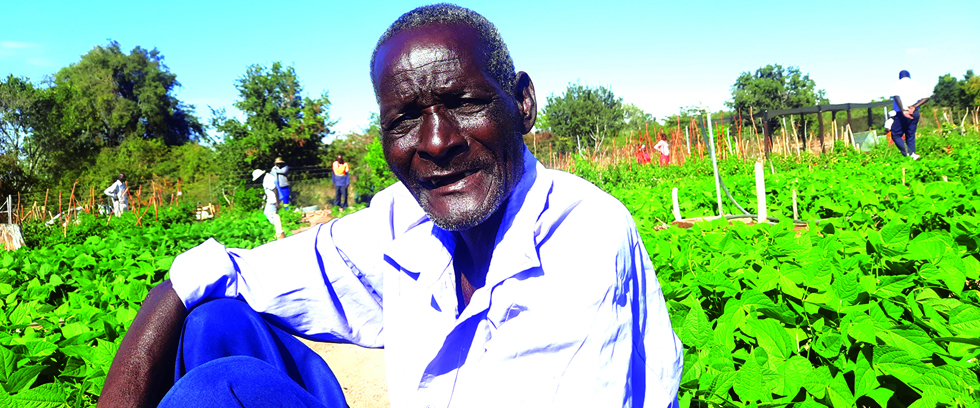
Tendai Gukutikwa
Post Reporter
IN the arid Buhera District, a remarkable transformation has taken place. Where conflict and suffering once prevailed, fuelled by climate change, drought and poverty, harmony is now blossoming, anchored in the healing of the land.
Nestled in Ward 28, Chatikobo Village, under Chief Nyashanu, a once desolate, swampy stretch has been brought back to life.
The Chidziyamhango Wetland and Nyamombe Woodland, previously dismissed as barren and unusable, now serve as models of ecological restoration and community resilience.
Today, indigenous trees proudly rise from the once-waterlogged soils, while lush grasses sway in the breeze.
Pollinators hum across the revived landscape, and seasonal streams flow freely once more.
Wildlife has returned, and crops are thriving.
However, the transformation extends far beyond environmental gains.
For the rural community, reviving the wetland has restored hope, strengthened livelihoods, improved nutrition, empowered women, and reduced gender-based violence.
A long-lost sense of peace has been rekindled in many households.
Mr Shadreck Kombera, the secretary for natural resources in Chatikobo Village said the transformation is part of growing national efforts to conserve and protect wetlands, in line with Vision 2030 and the National Development Strategy (NDS1).
As the country took part at COP15 in Victoria Falls last week, calling for urgent and inclusive wetlands protection, Chatikobo villagers stood as living proof that nature-based solutions can be effective when people
are placed at the centre.
Mr Kombera said the community has developed a local governance model to sustainably manage their once-degraded land, with support from the Climate Adaptation for Rural Livelihoods Phase 2 (CARL II) project.
“We are practicing selective harvesting of poles from our Mupani woodlands to meet construction needs. Some trees are being sold, and the funds benefit the whole village. It is also reducing deforestation. We haveplaced beehives in the area. Animals that were not here like hares, snakes and birds we had not seen in years are now back,” he said.
Mr Kombera said this during a media tour organised by the Southern Alliance for Indigenous Resources (SAFIRE), in partnership with Oxfam and funded by the Swedish International Development Cooperation Agency (SIDA).
The restoration efforts have, not only revitalised the environment, but have also had a profound social impact. Villagers have planted new trees, including Mupani, and plan to farm Mupani worms, providing a sustainable source of income.
“This is not just about trees. It is about rebuilding our lives from the ground up. The forest gave us our dignity back,” he said.
Environmental Management Agency (EMA) Buhera District head, Mr Severino Kangara praised the initiative, saying it aligns with national efforts to protect key water sources and ecosystems.
“Buhera is generally dry, but it has many wetlands. With support from development partners and organised communities like this one, we are seeing real transformation. Livelihoods have improved, and biodiversity has returned,” said Mr Kangara.
He said Chidziyamhango is not the only wetland EMA is monitoring in the district.
“We also have the Mainzo Wetland, which spans about 180 hectares. We are focusing on protecting this wetland too. If well managed, it can support almost all Buhera communities,” he added.
The restoration has also had a profound impact on social dynamics, particularly regarding gender roles.
For 45-year-old gender champion, Mrs Ndakaziva Kusena Chatikobo, the restoration brought peace to her home.
“We used to fight all the time because of poverty. Now there is food, water, and even love. My husband fetches water with me, cooks, and walks me to the garden. This wetland brought us together,” she said.
Mrs Chatikobo is among several women who have emerged as gender champions, helping shape the next generation’s attitudes towards gender roles and peaceful living.
“I speak to young boys and unmarried men, teaching them that violence is not love. We never used to have these conversations. But the wetland gave us time and space to change,” she added.
Her husband, Mr Moses Chatikobo said the restoration has had a profound impact on their marriage.
“I used to think chores were only for women. Now I cook, help with the kids, and my sons are learning that helping at home is not a weakness,” he said.
The couple, along with others in the community, has taken up beekeeping and is exploring fish farming in the rehabilitated wetland.
Mr Chatikobo said they are earning more from selling honey and vegetables than he ever did from seasonal manual jobs.
Local elder, Sekuru Justine Chatikobo (70) recalls the difficult times before the restoration.
“We had many GBV cases, men were idle and angry, women were stressed, and hunger was rampant. Now people spend their time working on the wetland and woodland, and our court is quiet. The wetland brought us peace,” he said.
Youths are also embracing the opportunities presented by the restored wetland.
Mr Muchadeyi Mawere (29), an aspiring aquaculturist, said: “I used to see wetlands as wastelands, but now I understand their potential. They can give life, money, and purpose. I want to start fish farming here with others.”
The traditional leadership has also welcomed the change, with Village head, Mr Saul Dondoro, whose Dondoro Village benefits from the wetland, saying restoring the land has transformed how people treat each other.
“When we respect the land, we start respecting one another. This restoration has redefined how we see gender roles, work, and leadership. Even our meetings have changed – women now speak confidently, and men listen,” he said.
SAFIRE director, Mrs Estella Toperesu explained that the CARL II project adopts a holistic, people-focused model of conservation and resilience.
“Our model focuses on integrated natural resource management where protecting the environment also protects people’s lives and income. Previously, the community relied heavily on the wetland for gardening, which was not sustainable,” she said.
To enable the wetland’s recovery, Mrs Toperesu’s organisation used an integrated approach combining environmental restoration with rural livelihoods innovation.
“The community previously relied on the wetland for gardening. To protect and restore the wetland, we supported the community’s transition to an alternative garden site. This ensured continued agricultural productivity while allowing the wetland to thrive,” she explained.
As a result, biodiversity has improved, and community livelihoods have become more stable. Many households now incorporate beekeeping, fish farming, and fruit orchards into their daily routines.
“Protecting the wetland promotes biodiversity, income security, and peace.
‘‘We are seeing fewer cases of GBV in these communities, indicating our approach is working,” said Mrs Toperesu.
The initiative contributes to national development goals, including Vision 2030 and climate resilience frameworks.
“By protecting critical natural resources like wetlands, we’re contributing to national climate action goals and making rural communities more resilient to climate shocks like droughts,” said Mrs Toperesu.
The initiative is backed by Government and aligns with the Ministry of Environment, Climate and Wildlife’s national wetlands strategy, which aims to reverse wetland degradation and promote community-based management across provinces.