malvernmugadzikwa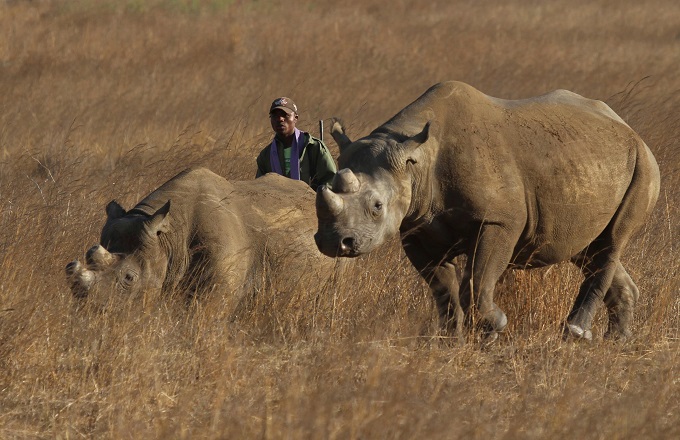
Tinashe Farawo
World Rhino Day is commemorated globally on September 22 every year.
This day is dedicated to one of the most magnificent and endangered creatures on our planet — the rhinoceros.
September 22 is not just a day to celebrate, but a call to action, a reminder of our collective responsibility to protect and preserve these incredible animals by addressing threats to their populations, including poaching and habitat loss.
The day provides a vital platform to spotlight the plight of rhinos and champion their conservation.
Rhinos symbolise strength and resilience, but they face unprecedented threats that require immediate and sustained action.
The theme for World Rhino Day 2024 is “Building a Future for Rhinos”, emphasising on innovation, as well as the unwavering commitment needed to ensure the long-term future and survival of the world’s five rhino species for generations to come.
As a country, we are committed to sustainably manage the species.
Zimbabwe boasts the fourth-largest black rhino population globally, after South Africa, Namibia and Kenya.
In Zimbabwe, rhinos are mostly found in the Lowveld, the south-eastern part of the country.
Many private conservancies and estates also have rhinos.
Some of the facilities with rhinos in Zimbabwe are the Hwange, Matobo and Mana Pools wildlife sanctuaries.
Rhinos have been an integral part of Africa’s natural heritage for millions of years. Zimbabwe is home to both black and white rhinos.
They play a crucial role in maintaining the ecological balance of their habitats.
They are keystone species, meaning their presence is vital for the health of their ecosystems.
By protecting rhinos, we are also safeguarding countless other species that share their habitat.
Despite their importance, rhinos face numerous threats.
Poaching, driven by the illegal demand for rhino horns, continues to decimate their populations.
Habitat loss, due to human encroachment and climate change, exacerbates their plight.
Rhino horns are falsely believed to have medicinal properties, leading to their high value on the black market.
Today, only five species of rhinos remain, and all are under threat.
Hope
Conservation efforts across Africa have shown that, with the right measures, rhino populations can recover.
One of the key elements of successful conservation is community involvement. By involving communities in conservation efforts and providing economic incentives, we can ensure that they become stewards of their natural heritage. In some regions, community-led conservation initiatives have successfully reduced poaching and increased rhino numbers.
Programmes that promote eco-tourism and sustainable livelihoods have proven effective in reducing poaching.
We must strengthen our anti-poaching measures, enhance law enforcement and promote international cooperation to curb illegal wildlife trade.
Countries like South Africa, Namibia, Kenya and Zimbabwe have implemented successful anti-poaching measures and habitat restoration projects, culminating in a steady increase in the population of the critically endangered black rhino.
Moreover, we must continue to invest in scientific research and conservation technologies.
By understanding rhino behaviour, genetics and ecology, we can develop more effective conservation strategies.
By so doing, we are building a future for rhinos.
Zimbabwe has made significant strides in rhino conservation through various dedicated efforts.
For the first time in over three decades, Zimbabwe’s rhino population has gone beyond 1 000. In the mid-1990s, the population had gone down to around 200 due to the wave of poaching that swept across the continent.
This milestone is testament to the hard work and dedication of conservationists, local communities and Government bodies.
A key aspect of our success has been the involvement of local communities and collaboration with other organisations, like the Lowveld Rhino Trust and The Malilangwe Trust, which are also instrumental in protecting and growing Zimbabwe’s rhino population.
This collaborative approach ensures a sustainable environment for rhino protection.
The Malilangwe Trust has also achieved remarkable success, with the black rhino population increasing by 532 percent and the white rhino population by 729 percent over the past 21 years.
These success stories remind us that our efforts can make a difference.
Needless to say, the conservation of rhinos in Zimbabwe is not just about saving a species; it is about preserving our natural heritage and preserving the intricate web of life that sustains us all.
It is about leaving a legacy for future generations, where rhinos roam freely and thrive in their natural habitats.
Let us all commit to supporting rhino conservation efforts, whether through volunteering, spreading awareness or contributing to conservation programmes. Every small action counts and together we can make a difference and ensure that our rhinos continue to be a symbol of our nation’s strength and resilience.
Tinashe Farawo is the spokesperson for the Zimbabwe Parks and Wildlife Management Authority.



 Online Reporter