derick.khumalo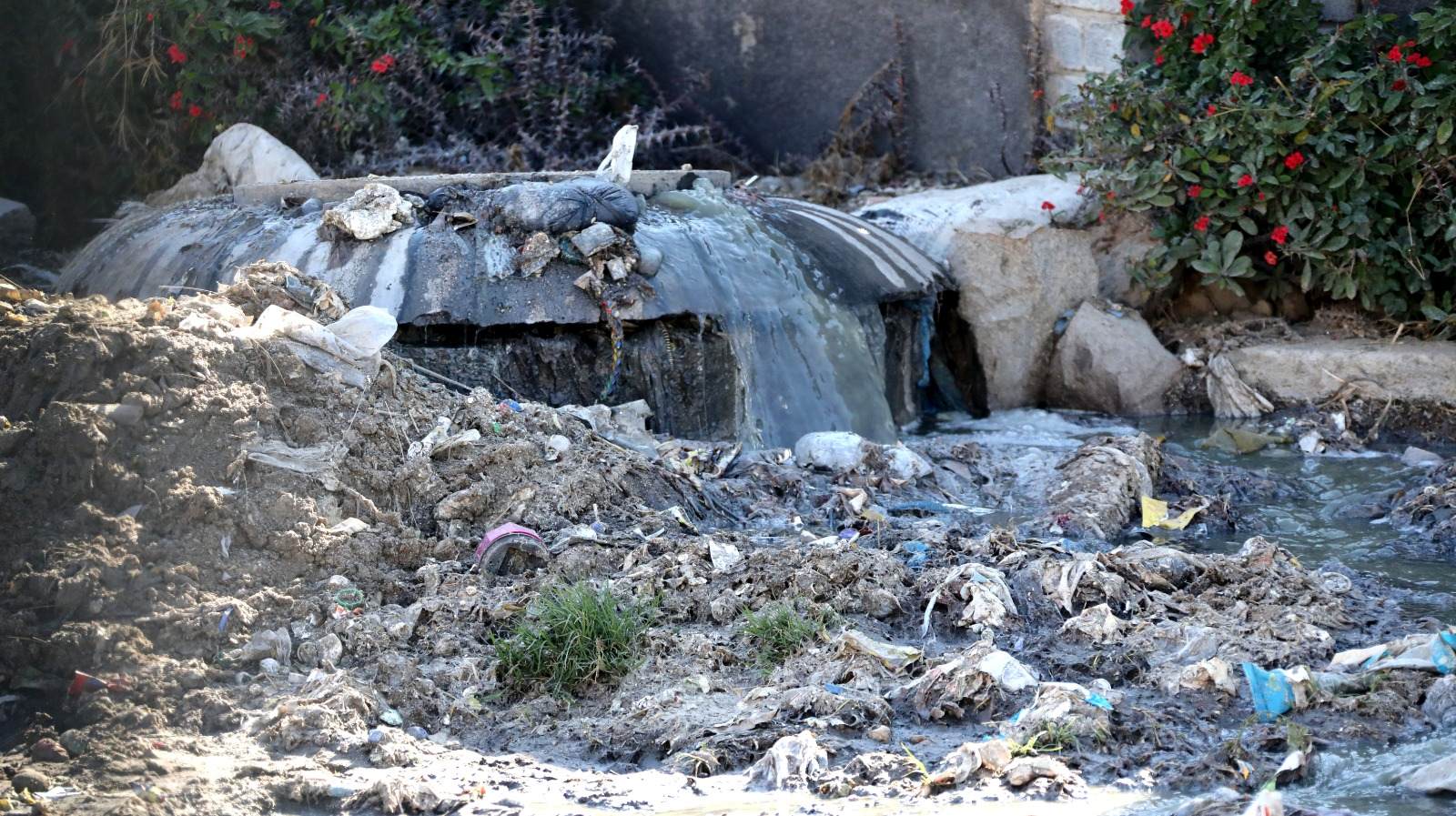
Raymond Jaravaza, Zimpapers Reporter
THE City of Bulawayo has embarked on a robust city-wide campaign to conscientise the public on the steps to take to prevent sewer blockages that have resulted in the streets overflowing with sewage, leaving residents at the risk of waterborne diseases.
Council receives between 80 and 120 sewer blockage and choke reports daily.
High-density suburbs are the hardest hit, with the Nkulumane area alone accounting for nearly half of all daily reports due to aging infrastructure and resource constraints that hinder council employees from attending to the reports.
In a statement Bulawayo City Council warned residents against disposing materials in their toilets that cause sewer blockages.
“Let us prevent sewer blockages in the City of Bulawayo. Do not dispose disposable gloves, diapers, wet wipes, spoons, sanitary pads, cooking oil and grease in the toilets,” said council.
According to BCC, some of the causes of sewer blockages include build-up of grease from disposal of oil into drainage systems to debris or foreign objects such as clothes and towels finding their way into sewer pipes.
“Members of the public are urged to avoid intentional dumping of bricks or rocks into manholes as well as debris entering the sewer system from illegal pipe connections. Other causes of sewer blockages include vandalism of sewer systems by fire resulting in sewer lines crossing paths and tree root intrusion into sewer pipes,”
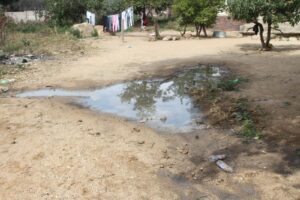
To prevent sewer blockages the public are urged not flush food scraps and foreign objects such as spoons down sinks and drains.
“Do not flush pampers and sanitary ware. We also encourage home owners to raise gullies to prevent soil and other foreign objects entering sewer systems. Residents are encouraged to report any sewer related queries, faults or complaints to the City of Bulawayo,”


 Online Reporter