derick.khumalo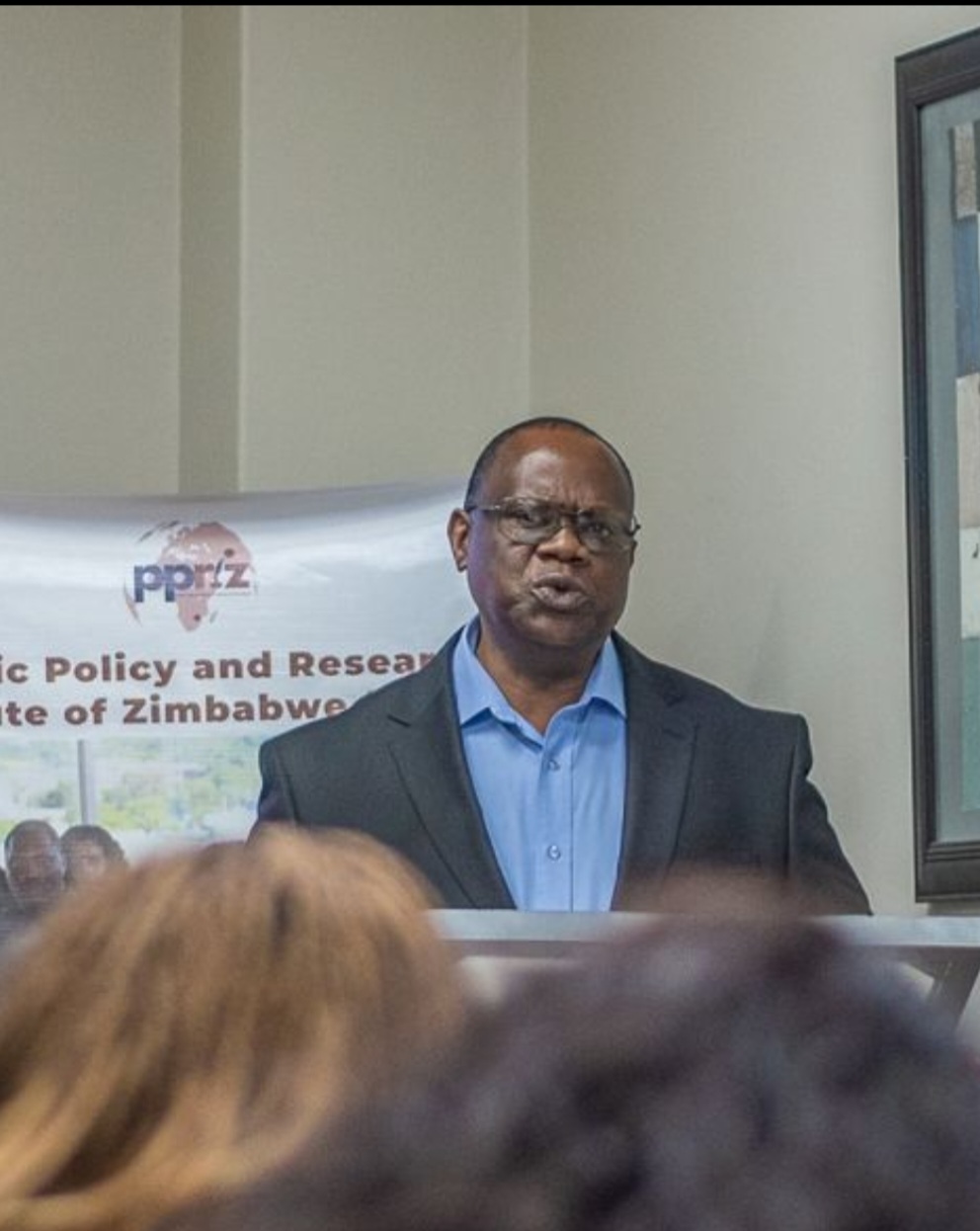
Gibson Mhaka
[email protected]
THE final version of Constitutional Amendment Bill No. 3 awaiting Presidential assent closely mirrors the wishes expressed by Zimbabweans during the constitutional reform process after Parliament removed provisions that attracted the strongest public opposition while retaining reforms that commanded measurable public support, a national public opinion survey has revealed.
Findings released yesterday by the Public Policy and Research Institute of Zimbabwe (PPRIZ) show that although Zimbabweans rejected proposals allowing traditional leaders to participate in partisan politics and opposed abolishing the Zimbabwe Gender Commission, both contentious clauses were subsequently removed from the Bill by Parliament following amendments proposed by the Senate.
The survey also found majority support for several of the Bill’s key governance reforms, including extending the electoral cycle from five to seven years, transferring voter registration from the Zimbabwe Electoral Commission (ZEC) to the Registrar-General’s Office, broadening the jurisdiction of the Constitutional Court and strengthening qualifications for appointment as Attorney-General.

The findings suggest that the legislative process did not merely pass the Bill, but refined it in response to public sentiment, producing a final version that substantially aligns with the views expressed by citizens during consultations.
Presenting the findings, PPRIZ data reporting specialist Professor Wilfred Njabulo Nunu said the nationwide survey was conducted to provide an evidence-based assessment of Zimbabweans’ views on the proposed constitutional reforms.
The survey, conducted between April 9 and 18 this year, interviewed 1 641 respondents across the country’s 10 provinces using a nationally representative sample.
More than three-quarters of respondents had previously participated in elections, giving the findings additional significance in assessing public attitudes towards constitutional reform.
Among the survey’s most significant findings was public support for reforms aimed at reducing what researchers described as the country’s prolonged election cycle.
According to the survey, 51,3 percent supported extending the terms of office for the President and Parliament from five to seven years, while 55,4 percent agreed that Zimbabwe spends too much time in election mode and too little time governing.
Researchers said the findings reflected growing public appreciation for reforms intended to create greater policy stability and provide the Government with sufficient time to implement long-term development programmes.
The survey also revealed strong public confidence in institutional reforms contained in the Bill.
A majority of respondents, 54,8 percent, supported transferring responsibility for voter registration and maintenance of the voters’ roll from ZEC to the Registrar-General’s Office, while 54,7 percent backed expanding the Constitutional Court’s jurisdiction beyond purely constitutional matters.
Support was equally evident for amendments strengthening governance institutions.
Some 56,8 percent endorsed the proposed constitutional wording relating to the functions of the Zimbabwe Defence Forces, while 52,3 percent supported raising the qualifications required for appointment as Attorney-General.
The survey also established that public trust in the Registrar-General’s Office stood at 78 percent compared to significantly lower levels of confidence in ZEC, providing context for support for transferring voter registration responsibilities.
While several reforms attracted majority support, respondents expressed clear reservations regarding two specific proposals.
Nearly 70,2 percent opposed allowing traditional leaders to participate in partisan politics, while 52,4 percent rejected the proposed merger of the Zimbabwe Gender Commission with the Zimbabwe Human Rights Commission.
Significantly, both clauses were later removed from the Bill after the Senate proposed amendments that were subsequently endorsed by the National Assembly.
The outcome means that the legislation now awaiting Presidential assent no longer contains the two provisions that attracted the strongest public resistance, underscoring Parliament’s responsiveness to concerns raised during the legislative process.
Speaking during the launch of the report, PPRIZ executive director Dr Gordon Moyo said the survey highlighted several important characteristics of Zimbabwe’s constitutional landscape.
“The first finding is that Zimbabwe is highly politically divided and this emerged as the top finding of the study,” he said.
“Secondly, Zimbabweans reject the involvement of traditional leaders in political activities based on a sample of over one thousand respondents.
“The study also documents public rejection of political discrimination.
“We also found that elections are associated with corruption, which remains a recurring concern given Zimbabwe’s continuous electoral cycle.
“There was also mixed public opinion on some constitutional provisions, including the addition of 10 senators, with respondents providing reasons captured in the report.”
Beyond the individual clauses, the survey found increasing public awareness of the constitutional reform process itself.
Some 61,1 percent of respondents said they were aware of Constitutional Amendment Bill No. 3, while awareness of Parliament’s consultation processes continued to grow during the survey period.
Researchers noted that Parliament ultimately received more than 300 000 written submissions, making the constitutional reform exercise one of the most participatory in Zimbabwe’s legislative history.
In its concluding assessment, PPRIZ said the survey demonstrated measurable public endorsement for key governance reforms while also affirming the democratic legitimacy of the constitutional amendment process through unprecedented public participation.
The institute identified five principal takeaways, among them measurable public support for extending the electoral cycle, opportunities to strengthen governance institutions, institutional trust patterns that informed reform sequencing and exceptionally strong public engagement throughout the legislative process.
With Constitutional Amendment Bill No. 3 now awaiting Presidential assent, the survey suggests that the final legislation emerging from Parliament is not identical to the Bill initially introduced, but one that evolved through consultation, debate and legislative scrutiny, ultimately reflecting the balance between public opinion and Parliament’s constitutional law-making mandate.


 Online Reporter