Online Reporter
Peter Matika, Senior Zimpapers Writer
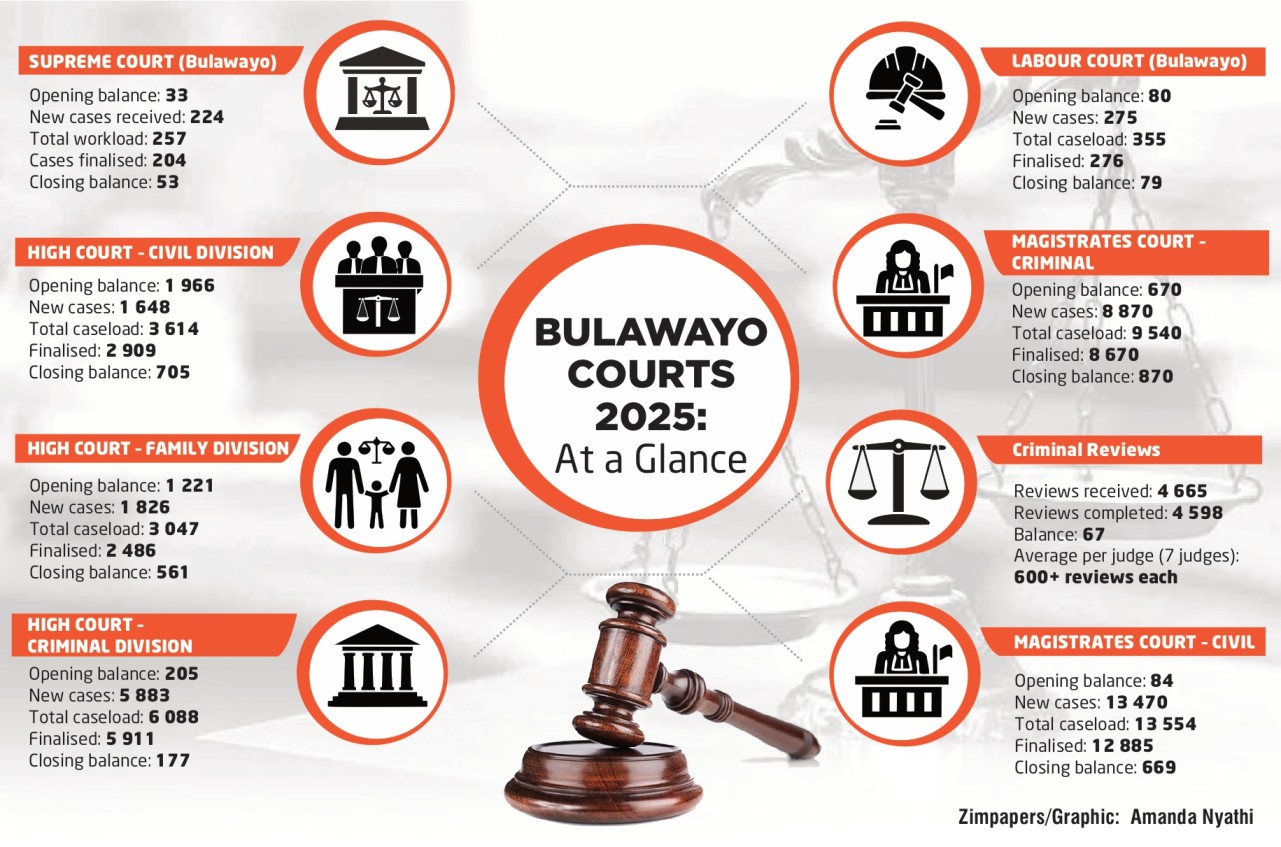
BULAWAYO courts handled 41 120 criminal and civil matters in 2025, finalising 37 939 cases and leaving 3 181 outstanding, reflecting improved efficiency as the Judiciary intensifies efforts to reduce case backlogs.
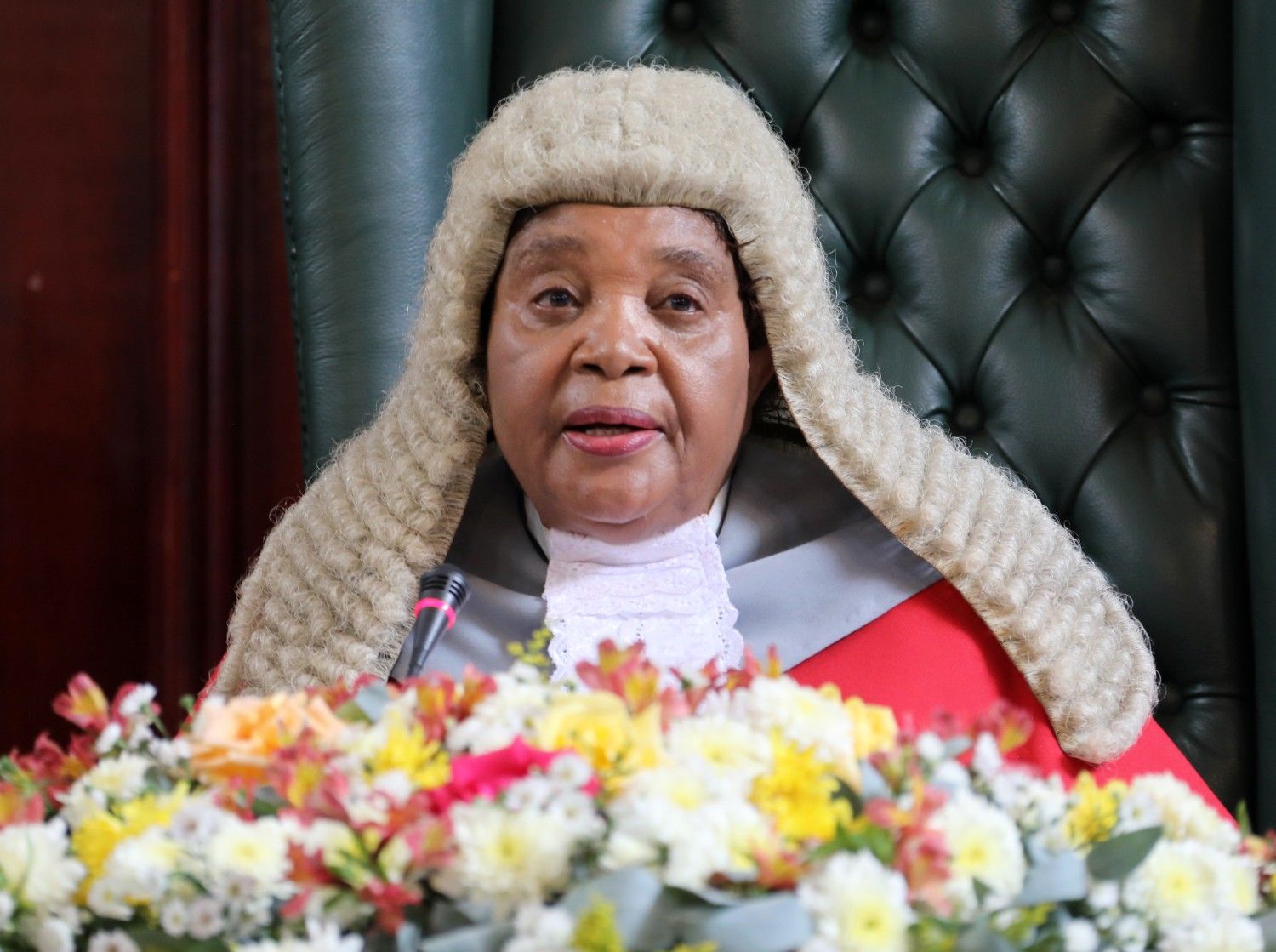
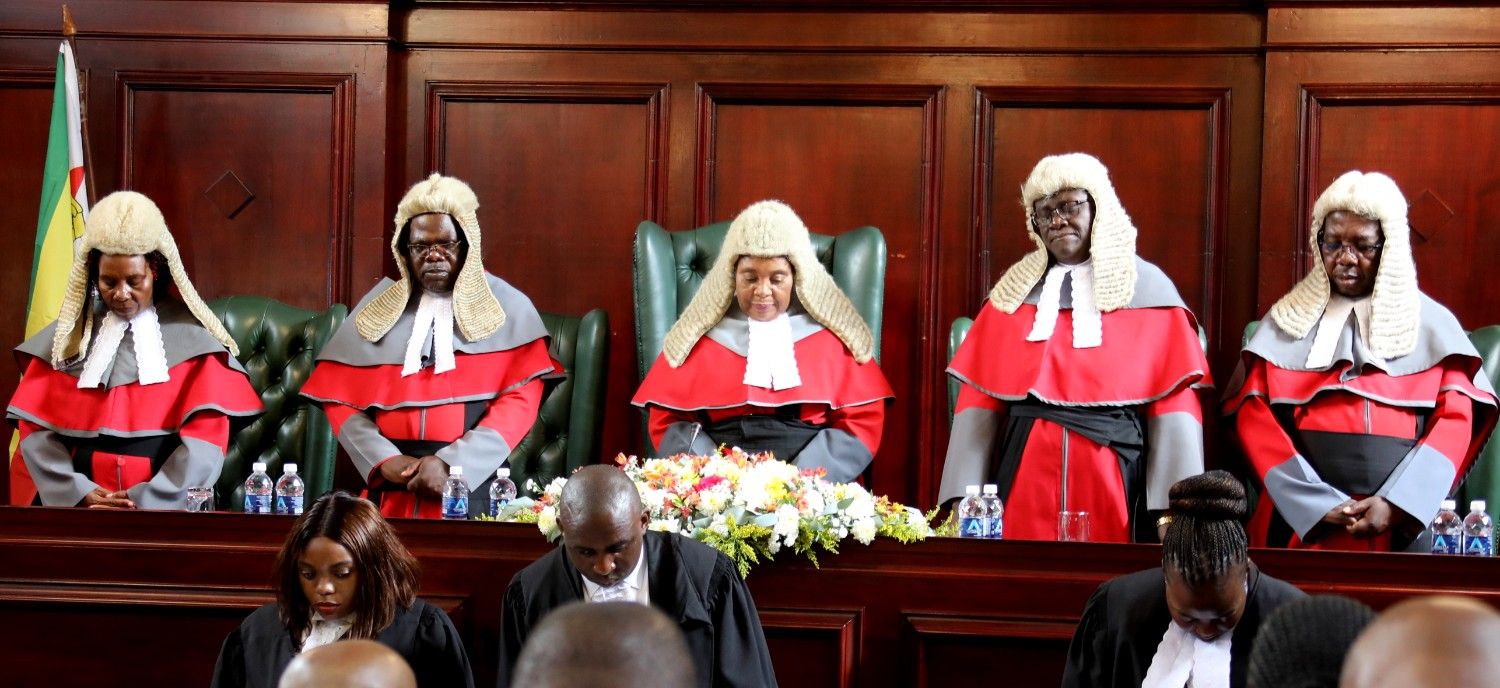
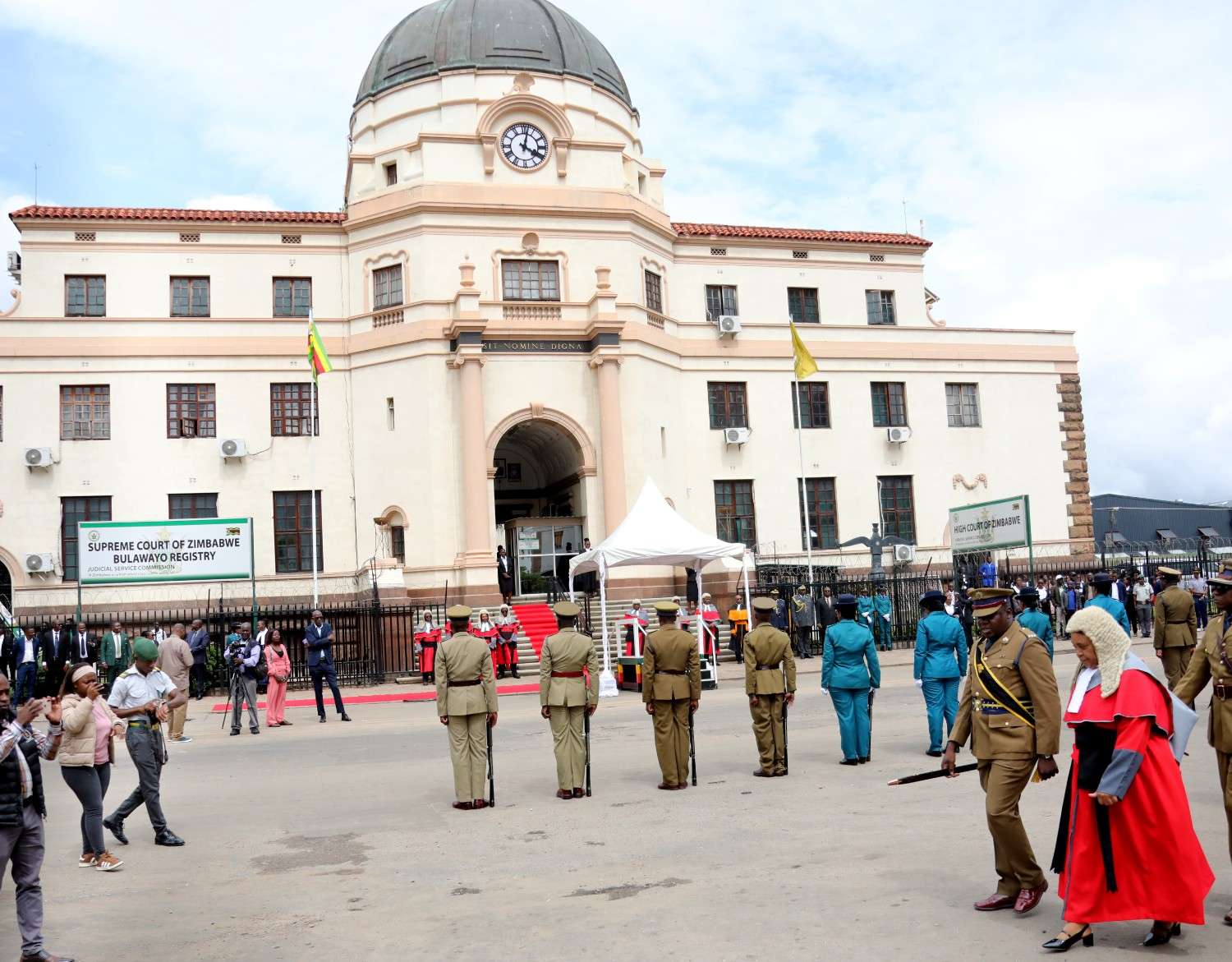
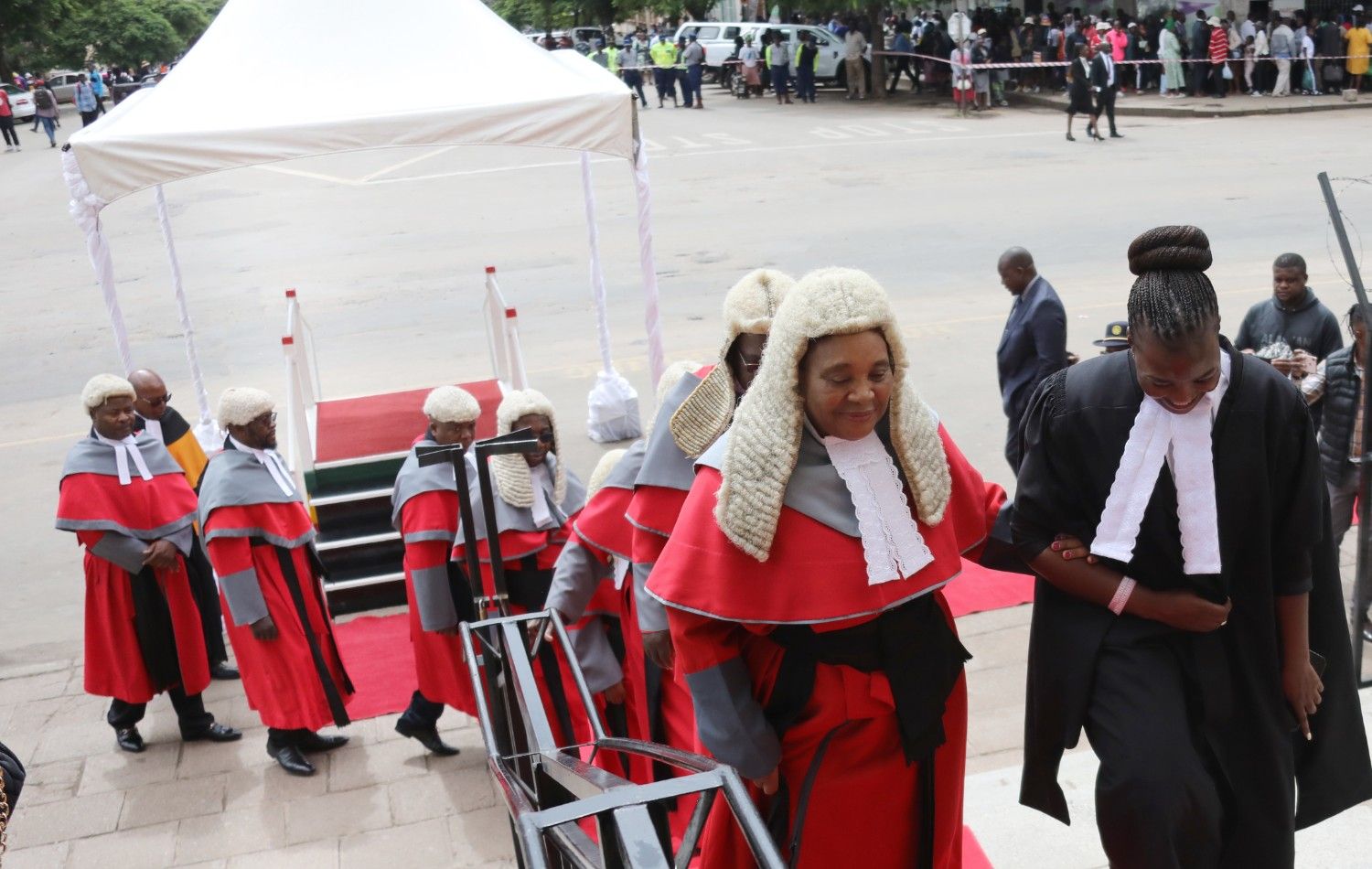
The figures were revealed by Deputy Chief Justice Elizabeth Gwaunza while officially opening the 2026 legal year at the Bulawayo High Court yesterday, underlining the Government’s readiness to meet growing litigation through performance management and technology.
The Bulawayo magistrates’ civil court recorded the highest workload, handling 13 554 cases and finalising 12 885, while the Supreme Court sitting on circuit in Bulawayo handled the fewest, presiding over 257 matters and finalising 204.
DCJ Gwaunza said improved access to justice, modernised court operations and targeted reforms by the Judicial Service Commission (JSC) were yielding measurable results.
“The Judiciary remains resolute in ensuring that justice is not only done, but is seen to be done in a timely and transparent manner,” she said.
The 2026 legal year runs under the theme: “Using performance management and technology to ensure quality, inclusive and sustainable judicial service.”
DCJ Gwaunza said the theme reflects Government’s commitment to strengthening court efficiency, expanding access to justice and enhancing accountability through data-driven and digital solutions.
Despite progress, she acknowledged sustained pressure on courts due to rising litigation.
“While we have recorded measurable progress, the volume of incoming cases continues to test capacity, calling for innovative, technology-driven solutions,” said DCJ Gwaunza.
She noted that superior and specialised courts in Bulawayo handled workloads that exceeded their opening balances, pointing to increased public reliance on formal dispute resolution mechanisms.
“The year 2025 had seen sustained pressure on the courts, with thousands of matters flowing through the justice system, making reducing backlogs a national priority,” said DCJ Gwaunza.
Despite the progress, she acknowledged that a significant number of cases were still pending.
“While we have recorded measurable progress in disposing of matters, we are not complacent. The volume of incoming cases continues to test the capacity of our courts, and this calls for innovative, technology-driven solutions,” she said.
The Supreme Court opened 2025 with 33 matters, received 224 new cases and finalised 204, leaving 53 pending, with appeals and chamber applications forming the bulk of the caseload.
The High Court civil division opened with 1 966 cases, received 1 648 new matters and finalised 2 909, leaving 705 outstanding, while the family division finalised 2 486 of 3 047 cases.
“The high number of family-related cases shows a society increasingly willing to use legal mechanisms to resolve domestic disputes,” said DCJ Gwaunza.
The criminal division recorded one of the strongest performances, finalising 5 911 of 6 088 cases, while 4 598 of 4 665 criminal reviews were completed.
“This means each of the seven High Court judges in Bulawayo completed over 600 reviews during the year,” said DCJ Gwaunza.
The labour court finalised 276 of 355 cases, reflecting ongoing labour disputes amid economic changes.
At the magistrates’ court, criminal cases rose sharply, with 8 670 of 9 540 matters finalised, while civil litigation surged, with 13 470 new filings recorded during the year.
DCJ Gwaunza attributed the spike in civil matters to Bulawayo’s status as a major commercial and industrial hub.
She, however, warned that the shortage of judicial officers was placing severe pressure on existing judges.
“In Bulawayo, there are only seven High Court judges, yet they completed extraordinarily high volumes of work. The shortage of judicial officers places them under unbearable pressure, which may affect both the quality of work and their health,” said DCJ Gwaunza.
She said the Government, through the JSC, is addressing these challenges through continued investment in staffing, infrastructure and digital systems, including the rollout of the Integrated Case Management System (ICMS).
The ICMS allows electronic case tracking, online filing and improved transparency, reducing delays and limiting opportunities for corruption.
“The digitalisation of court processes is no longer optional. It is essential,” said DCJ Gwaunza.
She added that the establishment of new court stations and infrastructure upgrades has eased pressure on urban courts while improving access to justice in remote areas.
“Access to justice is a constitutional right, and no citizen should be denied it because of geography,” said DCJ Gwaunza.
She said the JSC will continue recruiting and training judicial officers and support staff to ensure justice delivery remains efficient, sustainable and responsive to public demand.
“Continuous training is also being prioritised to ensure that judges, magistrates and court officials keep pace with evolving legal standards and modern case management practices,” she said.