Online Reporter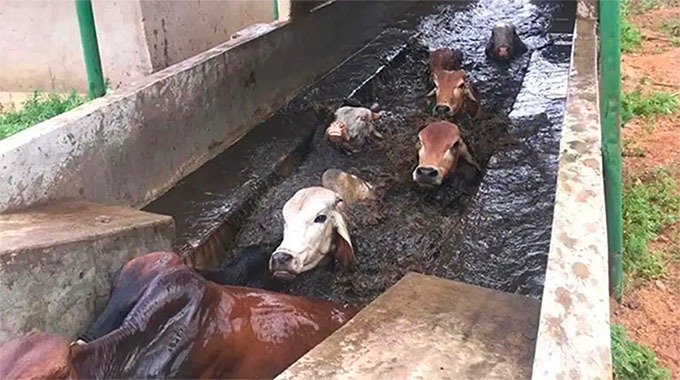
Judith Phiri, Zimpapers Business Hub
AS the 2026 rainy season continues, livestock farmers across Zimbabwe have been urged to stay alert against January Disease (Theileriosis), a deadly tick-borne illness that spreads rapidly in warm, wet conditions and can wipe out entire herds if not controlled.
More than 65 percent of cattle deaths in Zimbabwe are caused by tick-borne diseases such as January Disease, according to reports.
In a farmer advisory alert, the Ministry of Lands, Agriculture, Fisheries, Water and Rural Development said prevention is critical, as tick control is key.
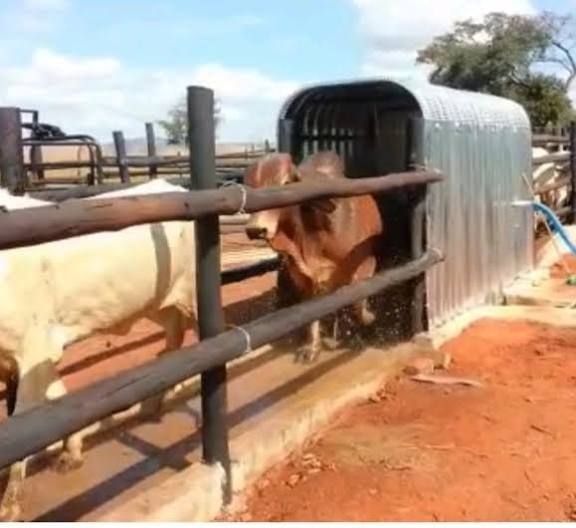
“Weekly dipping is mandatory; all cattle must be dipped weekly during the rainy season in line with Government policy to control the brown ear tick. Farmers should pay dipping levies and ensure correct acaricide dilution as per manufacturer’s instructions. Spray races are highly recommended for best results,” said the Ministry.
It said the 5:5:4 dipping regime is critical in high-risk areas or during outbreaks, where farmers may be instructed to dip at 5:5:4-day intervals (every 5 days, then 5 days, then 4 days).
The Ministry emphasised applying tick grease to sensitive areas — inside the ears, udder, and under the tail — for added protection.
“On vaccination, the locally produced BOLVAC vaccine is now available in increased quantities. Contact your local veterinary office for access. Watch for early warning signs, inspect cattle daily and look out for swollen lymph nodes (under ears/shoulders), loss of appetite, breathing difficulties, frothing, watery or cloudy eyes, fever and weakness,” reads part of the farmer advisory alert.
Farmers are required to report immediately any suspected case or sudden death to the Directorate of Veterinary Services (DVS) within 24 hours.
The Ministry also warned against moving cattle, as transporting sick or tick-infested animals spreads the disease and fuels outbreaks.
“Failure to dip cattle is an offence under the Animal Health Act and may result in fines or arrest. For assistance or reporting, contact your local Veterinary Extension Officer or the Ministry of Lands, Agriculture, Fisheries, Water and Rural Development. Protect your herd — prevention saves wealth,” the Ministry said.