Online Reporter
Vusumuzi Dube, Online News Editor
DESPITE this year’s above-normal rainfall season, Bulawayo may endure extended periods without water with the local authority warning of a looming crisis that could rival some of the worst in recent history.
The Bulawayo City Council (BCC) has further indicated that even with sufficient rainfall to replenish supply dams, the city’s ability to distribute water effectively will be hampered by obsolete infrastructure.
Residents are already contending with a 130-hour water-shedding schedule, exacerbated by minimal inflows into the supply dams.
According to the Zimbabwe National Water Authority (Zinwa), while other regions have seen significant water inflows, the dams serving Bulawayo are critically low.
The last time the city’s dams overflowed was in 2017, while 2020 saw one of the worst water crisis recorded since independence which led to a 144-hour water-shedding schedule after three dams were decommissioned.
With the existing challenges, 2025 could potentially emerge as one of the most challenging years for water supply in Bulawayo.
Responding to written questions from Sunday News, the city’s corporate communications officer, Miss Bongiwe Ngwenya, said this year’s ongoing crisis is compounded by issues like population growth, climate change and outdated infrastructure.
“Since 1980, Bulawayo has faced several severe water crises, but one of the most notable was in 2020. During that year, the city’s dams were at critically low levels, with three dams — Umzingwane, Upper Ncema, and Lower Ncema — decommissioned due to severe drought conditions. The water crisis led to a 144-hour water-shedding schedule which significantly impacted residents.
“In comparison, the current situation is also dire. Bulawayo is experiencing one of its worst water crises in recent years, exacerbated by factors such as the El Niño-induced drought, low rainfall and inadequate dam inflows. The city’s supply dams are currently just above 50 percent capacity (50,41 percent), and the water-shedding schedule has been extended to 130 hours per week,” said Miss Ngwenya.
“While the 2020 crisis was severe due to the decommissioning of dams and extreme drought, the current situation is equally challenging due to prolonged water shortages and the potential for taps to run dry should there be inadequate rains this rainy season. Both periods highlight the city’s persistent struggle with water scarcity, exacerbated by environmental and infrastructural challenges.”
According to a council report of March 2020, as at 9 March 2020, the city’s dam levels were pegged at 33,27 percent full, with Umzingwane and Upper Ncema Dams already decommissioned.
The city’s consumption rate was pegged at an average of 130 megalitres per day.
In comparison, although the dams are currently at 50,41 percent and all functional after Umzingwane and Upper Ncema were recommissioned in January and February respectively, the city’s consumption rate is now higher than that of 2020 as it is now averaging 156 megalitres a day giving a bleak picture of the water supply situation going forward.
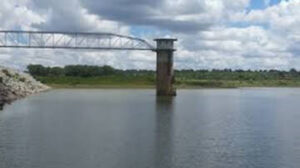
Turning to some of the problems that are being faced within their water supply dams, Miss Ngwenya said activities such as gold panning in catchment areas, particularly around Umzingwane Dam have exacerbated Bulawayo’s water crisis.
These activities, she said, cause severe land degradation, block streams, and disrupt water flow into the city’s reservoirs.
The corporate communications officer further noted that there have been concerns about smallholder farmers diverting tributary rivers to their properties, which could contribute to low inflows into the city’s supply dams, however, specific investigations targeting farmers have not been widely reported in recent sources.
“There have been calls for stricter enforcement of environmental laws and for the formalisation of artisanal miners to reduce environmental damage. The Government has discussed banning gold mining in river systems, but implementation remains. Community initiatives, such as documentaries highlighting the issue, have also been undertaken to raise awareness and advocate for change.

“In summary, while there are concerns about water diversion by farmers, the primary focus has been on addressing illegal mining activities. Comprehensive investigations specifically targeting farmers’ practices are not prominently documented in recent reports. However, there is a growing need for a holistic approach to address both illegal mining and water diversion issues to protect Bulawayo’s water resources,” said Miss Ngwenya.
Meanwhile, the council spokesperson revealed that if Bulawayo’s dams receive proper inflows, the city’s ability to ensure continuous water supplies to the entire city remains limited due to mainly obsolete infrastructure.
“Bulawayo’s water treatment plants, such as Ncema and Criterion, face operational challenges. Ncema operates at only half its design capacity due to non-functional filters, producing 40-45 megalitres per day instead of 80 megalitres per day. Criterion is the larger plant but still faces challenges in meeting demand.
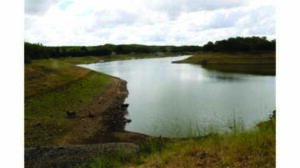
“The city’s pumping stations, like Mtshabezi, have shown declining performance over the years, significantly impacting water supply reliability. Bulawayo’s water infrastructure is aging and inefficient, leading to high non-revenue water (NRW) losses estimated at 49 percent. This means a significant portion of treated water is lost before reaching consumers,” said Miss Ngwenya.
She noted that while the city’s demand is estimated at 156 megalitres a day, the current supply is often below this threshold.
“Projects like the Bulawayo Water and Sewerage Services Improvement Project have aimed to enhance infrastructure, but more work is needed to address the scale of the challenges.
“While proper inflows into the dams would certainly improve the water supply situation, there is a need for significant investments in infrastructure rehabilitation, filter repairs and operational efficiency to meet the city’s water demands effectively,” said Miss Ngwenya.