Online Reporter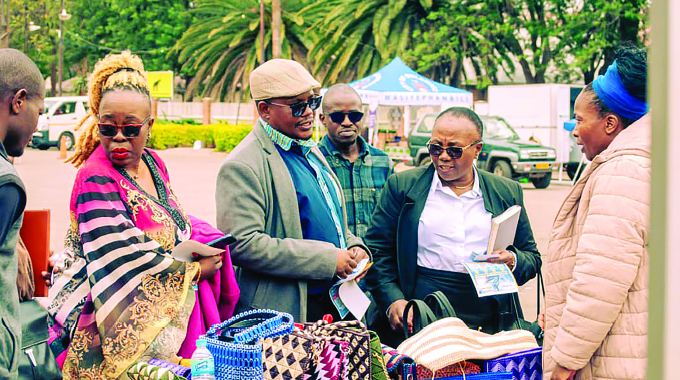
Judith Phiri, Zimpapers Writer
INDUSTRY and Commerce Minister Nqobizitha Mangaliso Ndlovu has urged Bulawayo businesses to help build a self-sustaining local economic ecosystem by championing home-grown products and services.
In his keynote address read on his behalf by the ministry’s investment promotion, export development and economic empowerment director, Ms Bridget Dzimwasha, at the Bulawayo Business Buy and Sell Exhibition on Friday, Minister Ndlovu said the promotion of local goods is central to the Second Republic’s industrialisation vision“Under the visionary leadership of President Mnangagwa, home-grown products speak directly to our national aspiration to build a prosperous and empowered upper middle-income society by 2030. There is no more fitting place to issue this call than here, in Bulawayo, affectionately known as KoNtuthu Ziyathunqa, which was once the undisputed industrial heartland of our nation,” he said.

Bulawayo has long been regarded as Zimbabwe’s manufacturing hub, historically home to the country’s textile, clothing, engineering, rail and food processing giants. However, decades of de-industrialisation, high operational costs, ageing infrastructure, competition from cheaper imports and economic volatility weakened the city’s once-robust industrial base.
“It was a crucible of innovation, a hub of manufacturing and a testament to the skill and work ethic of our people. While we acknowledge the economic headwinds that have challenged this legacy, we are not here today to lament the past. We are here to reignite the furnaces,” said Minister Ndlovu.
To revive the sector, the Government has implemented several strategies, including the National Development Strategy 1 and 2 (NDS1 & NDS2), prioritising reindustrialisation, the Local Content Strategy (2020), aimed at increasing domestic production and reducing imports, the Local Content Steering Committee for Manufacturing, launched in November 2024 to accelerate import substitution and build strong value chains and public procurement reforms, directing Government institutions to source at least 60 percent of their goods from local manufacturers.
These interventions have contributed to improved shelf occupancy, with locally produced goods now accounting for about 80 percent of products in major retail outlets.
Minister Ndlovu said the Government is not looking back with nostalgia but seeking to “reignite the furnaces” that once powered Bulawayo’s economy.
“Our journey of economic transformation relies on deliberate and strategic choices. Vision 2030 is our national compass, and NDS1 and 2 are not abstract documents but living blueprints for every province and entrepreneur,” he said.
Minister Ndlovu emphasised that provincial economic vibrancy is crucial for national success, and Bulawayo’s resurgence remains a strategic priority.
Central to this vision, he said, is aggressive local content promotion, noting that excessive reliance on imports drains foreign currency, suppresses innovation, and exports jobs that should benefit Zimbabweans.
The minister added that the Local Content Steering Committee is already making significant progress, particularly in pushing the “Made in Zimbabwe” brand.
Bulawayo City Council’s economic development officer, Mr Mthandazo Ngwenya, said the exhibition was a remarkable success, setting the stage for the city to cultivate an environment that nurtures local initiatives and drives sustainable economic growth.
“Every great idea and concept begins with thorough research, and platforms like this are vital for entrepreneurs to understand and complement the market. The council’s approval to partner with Youth Network Connect (YNC) for this event is a powerful step forward, a testament to our collective commitment to innovation, collaboration, and a prosperous future,” he said.
“Together, we are building a vibrant, resilient economy rooted in the ingenuity and determination of our people.”
Lead chairperson for the event, Mr Philimon Nyirenda, who is also the managing director of YNC, said the exhibition initiative sought to counteract challenges such as competition from imports and outdated technology by fostering a more aggressive, innovative and collaborative local business environment.
“The concentration of diverse industries under one roof is designed to stimulate the kind of dynamic pressure that compels companies to innovate and upgrade, ultimately enhancing Bulawayo’s competitiveness,” he said.
“This exhibition is a clarion call to every business owner, every entrepreneur, SME and every corporate citizen in Bulawayo. It is our time to come together, to showcase the quality and innovation that resides in our city.”
Mr Nyirenda said the exhibition represents a pivotal moment of collective action, a testament to the city’s enduring entrepreneurial spirit and a proactive step toward a more prosperous, self-reliant and industrially vibrant future for all its residents.
The two-day exhibition, which ended on Saturday, was hosted by the YNC at the City Hall Car Park and ran under the motto: “Buy Local, Support Local, Grow Bulawayo.”