Online Reporter
Nqobile Bhebhe, Senior Zimpapers Writer
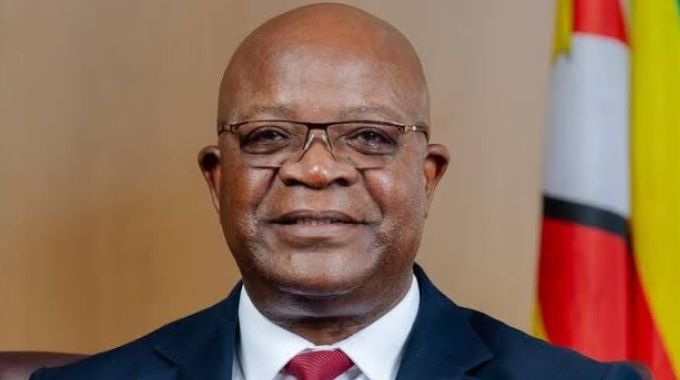
LOCAL Government and Public Works Minister Daniel Garwe says Bulawayo is the next local authority earmarked for the implementation of the Geo Pomona Waste Management model, as the Government intensifies efforts to roll out the initiative across all 92 local authorities.
Speaking in Bulawayo last week, Minister Garwe said the Harare-based Geo Pomona project had proven successful, hence the need for the model to be rolled out countrywide.
The model has attracted interest from across the region.
Heads of State and high-level Government delegations from SADC have already toured the site to explore replicating the model in their respective countries.
Minister Garwe said the private sector’s growing partnerships with local authorities in delivering essential services is commendable.
He was speaking during the launch of the Minimum Service Delivery Standards Framework and the Urban State Land Management Policy, which was presided over by President Mnangagwa.
The Government appreciates the support rendered by the private sector during the previous phases of Operation Chenesa Harare.
“It is pleasing to note that through concerted efforts from various stakeholders, the operation managed to surpass targets of solid waste deposited at Pomona Landfill,” said Minister Garwe.
He noted that engaging the private sector goes a long way in improving service delivery.
“Your Excellency, I am happy to report that among our achievements, you directed us to embrace private sector in creating partnerships with our local authorities in terms of service delivery.
“You may also want to note that we have privatised solid waste management, waste collection and water delivery systems in the City of Harare. This programme is going to be implemented in all 92 Local Authorities,” said Minister Garwe.
He added, “We are now working on liquid waste management. We are coming back here in Bulawayo because just last week, we were asking what the progress is in terms of solid waste management.
“We said this is a key service delivery in major cities. We want to do that. By the time we reach the end of the year, we will have invited our own investors, Zimbabwean indigenous investors to upgrade the service delivery in our local authorities.”
Bulawayo has long been urged to expedite the awarding of contracts for a proposed waste-to-energy project aimed at tackling persistent environmental and health hazards posed by the Richmond landfill, widely known as Ngozi Mine.
The landfill, which has become a long-standing source of concern for residents, emits dangerous air and water pollutants, with frequent fires worsening the situation. Communities in nearby suburbs such as Richmond and Cowdray Park have repeatedly raised alarm over the stench, smoke and health risks.
Stakeholders say adopting a waste-to-energy model would offer a sustainable solution, in line with national goals of environmental protection, energy generation and job creation.
According to council records, 12 companies have so far expressed interest in the Bulawayo project, which is expected to transform waste management in the city
The model, if implemented, would not only mitigate the environmental impact of the landfill but also harness waste as a renewable energy source, further contributing to Zimbabwe’s climate resilience and economic development agenda.
President Mnangagwa told delegates that sustainable environmental management and protection is now an imperative in all organisations, including within local authorities.
He noted that as the country navigates towards Vision 2030, environmental aesthetics should improve at the same pace.
“I implore you to change the narrative in your respective councils and tame challenges associated with pollution and environmental degradation.
“Poor waste management practices, sand poachers, and other environmental delinquents should be severely penalised.
“Within our local authorities, individuals and corporates with exemplary behaviour and initiatives in preserving the environment should equally be incentivized.
“These incentives and disincentives should be buttressed by community awareness initiatives on environmental issues, including observance of the National Clean-up Day,” said President Mnangagwa.
The Geo Pomona site has introduced a dedicated hazardous waste containment zone, further safeguarding public health and nearby ecosystems.
These innovations are key pillars of NDS1’s environmental management strategy, which seeks to build resilience against climate change while improving quality of life in urban areas.
Beyond waste containment, the project is designed to generate renewable energy, contributing directly to Zimbabwe’s energy diversification goals and reducing reliance on fossil fuels.
This aligns with the country’s Nationally Determined Contribution (NDC) 3.0 under the Paris Agreement, which calls for tangible steps to cut greenhouse gas emissions.
With waste management now tied to economic opportunity and environmental stewardship, Geo Pomona is seen as a vivid example of how policy meets progress and how a once-forgotten site can power a nation’s future.