

 Chronicle Editor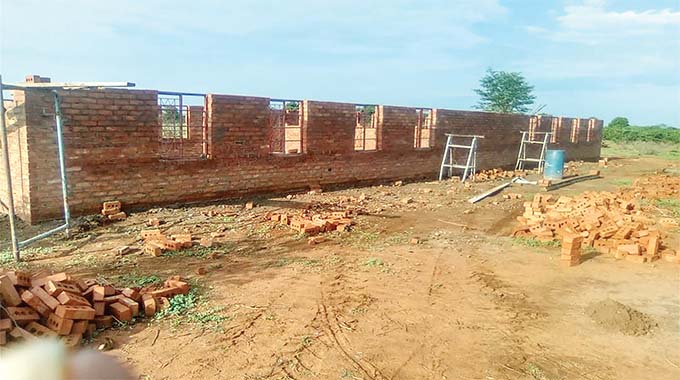
Mthabisi Tshuma, [email protected]
CONSTRUCTION of Sabasi Primary School in Bulilima district, Matabeleland South province has started as the Second Republic continues to uplift the San community in line with inclusivity and development that leaves no one and no place behind.
By recognising the unique challenges faced by this historically marginalised group and implementing targeted initiatives, Government is working to bridge the gap and create opportunities for the San community.
President Mnangagwa’s administration has implemented various empowerment initiatives, social programmes, and cultural preservation efforts aimed at uplifting the San community and promoting their integration into the country’s socio-economic fabric.
From educational initiatives aimed at ensuring access to quality schooling, to economic empowerment programmes that enhance self-sustainability, and cultural preservation projects that honour the rich heritage of the San people, the Second Republic has continued to deliver on its developmental objectives.
The establishment of Sabasi Primary School will help reduce walking distances for the learners who were walking several kilometres to access education. Children at Sabasi would walk about seven kilometres to Makhulela Primary School and 13 kilometres to Zenzele Secondary School in Ndolwane, a situation that has led to school dropouts.
The construction of the primary school comes after lobbying by the First Lady Dr Auxillia Mnangagwa who sourced resources to kick-start works.
The project, which is in line with the First Lady’s philanthropic work across the country, is being spearheaded by the Ministry of Primary and Secondary Education.
Work started a few weeks ago and Government has roped in the Zimbabwe Prisons and Correctional Service (ZPCS) to assist villagers in constructing the school.
The local community commended Government for implementing the life-changing project.
A villager, Mr Ndumiso Moyo said: “As a parent and a villager in Ward 9, we are quite excited with the latest development as it will ensure that our children do not travel long distances to access education.”
“I would like to thank our leaders for such meaningful development.”
Bulilima Rural District Council women’s quota councillor Petronella Masendu said the construction of the school is progressing well.
“The construction is going on well and the first block will house two classes and an office then we will build a cottage for the school’s authorities. We faced minor challenges when we started resulting in us failing to meet our monthly target,” said Clr Masendu.
“I can safely say that everything is going well and the school will be finished in no time.”
Bulilima legislator Cde Dingumuzi Phuti, said the construction of the school bears testimony to the Second Republic’s commitment to transforming lives.
“I am excited about the project and its pace. The mantra no one and no place will be left behind is not just a statement, but a reality. It is relieving to know that the most peripheral and underdeveloped part of Zimbabwe will take a lead in modernising rural life,” he said.
“The First Lady Dr Auxillia Mnangagwa has humbled Zimbabweans and the world with her works. The identification, pledging and fulfilment at Sabasi is a masterstroke, and a challenge for everyone else to prioritise people.”
In 2019, Government also built Mtshina Primary School in Gariya Village, Tsholotsho district in Matabeleland North which became the first primary school in the San community and was commissioned in the same year in December by the Ministry of Primary and Secondary Education.
In 2021, three students from the San Community made history by enrolling at the Midlands State University (MSU) for degree programmes, something that had never been achieved by children in that community before.
Projects so far identified by line Ministries to improve the livelihoods of the San communities include goat rearing, market gardening and dam scooping. The Ministry of Primary and Secondary Education has since met with the Tsholotsho Rural District Council to identify possible sites on which to build primary and secondary schools.
In March last year, Government installed the inaugural Chief Goledema as the Second Republic moves to address concerns of this previously marginalised community.
The San live in the borderline areas of Tsholotsho in Matabeleland North and Bulilima in Matabeleland South in a relatively closed society that over the years made it increasingly difficult for outsiders to interact with them.


 Online Reporter