


 Chronicle Editor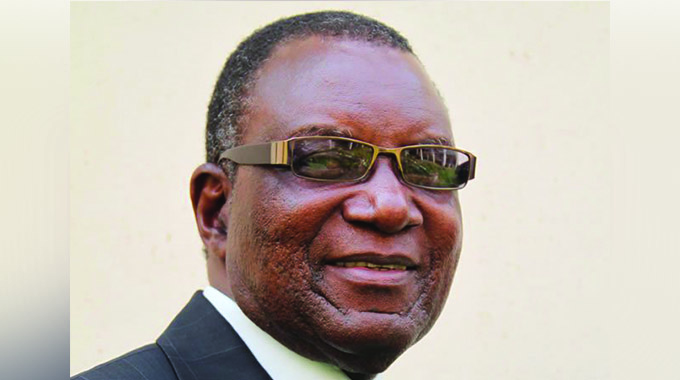
Vincent Gono recently in Binga
SPECIAL Advisor to the President on Monitoring Implementation of Government Programmes and Projects Dr Jorum Gumbo has called for the removal of all unnecessary bureaucratic bottlenecks that stand in the way of prompt completion of Government projects.
His call comes against a background of hundreds of bags of cement and other building materials rotting on site before they were used at the Binga Registry whose construction started in the 1990s and is still to be finished.
He said such an approach was wasteful to the resources that the Government would have provided under a strict budget allocation.

He emphasised the adoption of a whole of Government approach and a shared national vision in the execution of the projects saying the era of projects lying dormant for more than a decade was long gone by and should not be wished back.
“We hear there are hundreds of cement bags that accumulated moisture and could not be used while other materials rot while on-site at the Registry offices and yet the project was not moving. We are also told that the delay in the completion of houses for flood victims here in Binga was caused by an initial delivery of the wrong materials. That should not be the case. Such an approach belonged to the past, under the Second Republic, projects should be completed promptly hence the emphasis on whole of Government approach,” he said, adding that such was the case with a number of projects initiated under the First Republic.
He said the Second Republic was accelerating its pace in the implementation of infrastructure development projects critical to the realisation of its vision to elevate the country to an upper-middle-income society by 2030.

Responding to questions from the Sunday News after a tour of projects in Binga recently, Dr Gumbo said since inception, the Second Republic has recorded more than 8 500 projects out of which more than half are infrastructural.
He said the projects cut across 14 themed priority areas espoused in the National Development Strategy (NDS1), one of the two precursors in the attainment of Vision 2030 where among the ongoing projects, more than 2 000 are at various stages of implementation while a significant number have already been completed.
The infrastructure development projects cover road and aviation infrastructure, energy development, dam construction, education, health, housing delivery, information communication and technology, and urban renewal among others.
They are aimed at promoting socio-economic growth as well as enhancing the overall quality of life for the country’s citizens.
Addressing various Government departments in Binga, Dr Gumbo said it was important for stakeholders to pull in the same direction and remove bureaucratic bottlenecks that choke progress and prompt completion of projects.
“We should adopt the whole of Government approach as enunciated by President Mnangagwa and remove all unnecessary bureaucratic bottlenecks that may delay the completion of these projects.
“These critical projects are the backbone of progress, paving the way for economic growth, social development, job creation, and improved quality of life,” he said.
Dr Gumbo said as the nation strives to become an upper middle-income society, strategic investments in key sectors were crucial.
“Modern transportation networks will streamline commerce, connect communities and facilitate trade.
Efficient energy systems will power industries, homes and innovation. Digital connectivity will bridge gaps, foster inclusivity, and drive entrepreneurship while reliable water management systems will ensure sustainability, support agriculture, and safeguard public health.”
He added that urban development initiatives were going to transform cities into vibrant hubs, promoting cultural exchange, tourism and economic diversity.
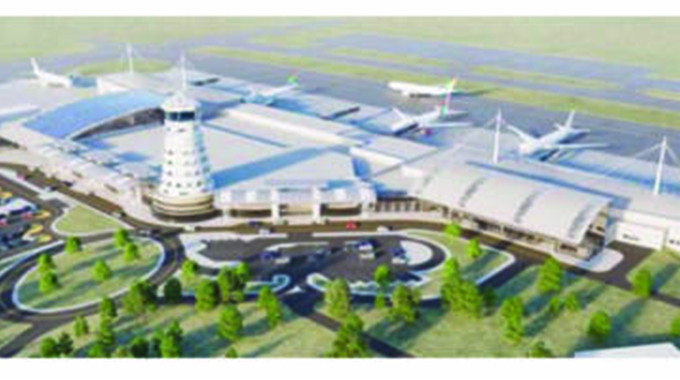
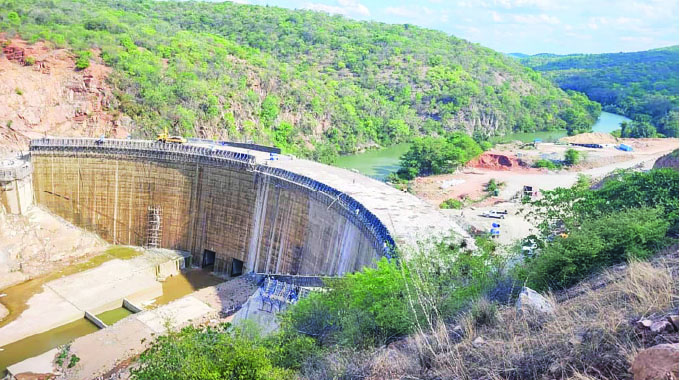
Prominent initiatives spearheading this transformative agenda include the rehabilitation of the Harare-Beitbridge Road, the expansion of the Robert Gabriel Mugabe International Airport, the modernisation of the Beitbridge Border Post and the construction of the New Parliament Building, alongside vital water projects such as Lake Gwayi-Tshangani and Chivhu, Marovanyati and Kunzvi Dams.
He said the Government was committed to addressing the needs of marginalized communities through infrastructure projects, emphasising inclusivity and disaster recovery.
“As Zimbabwe forges ahead, the focus remains on creating socio-economic growth, revamping local economies, and enhancing the overall quality of life for its citizens,” he said.
He added that through widespread infrastructure projects, communities were experiencing improved lives across various dimensions, including job creation, access to clean water, healthcare improvements and educational advancements.

“The doctor-patient ratios in healthcare services are also set to improve as new clinics and health centres are established, enhancing accessibility to health services for families across Zimbabwe.”
He noted that while progress is being made, the journey is not without challenges.
“Securing adequate funding remains a significant hurdle, often constrained by budgetary limitations and competing national priorities. The effects of climate change and natural disasters have also intensified fiscal pressures, necessitating a reprioritisation of available resources for humanitarian spending,” he noted.
Despite those challenges, he said, the Government, under the leadership of President Mnangagwa, had sought innovative financing solutions to navigate these challenges. These include embracing public-private partnerships (PPPs), turning to local resources for project financing and seeking international grants.
He also called for community involvement in overcoming the challenges.
“Stakeholder engagement and effective management practices are central to ensuring successful project implementation and community buy-in.”
He said it was worrying that despite the clearly laid out transformative vision, some communities remained unaware of the goals and implications of Vision 2030 saying the Government was implementing various outreach initiatives to foster engagement and understanding.
“We have economic issues characterised by cash flow problems which impede effective budget allocations. Although recovery efforts are underway, and budget execution often falls short of expectations due to unanticipated expenditure, let’s not go back to the era where cement and other materials rot while on site.
“Completion of projects should be prompt,” he said.
Dr Gumbo noted that under the Second Republic, Zimbabwe was witnessing a renaissance in infrastructure development that is reshaping communities, bolstering the economy, and elevating living standards with a commitment to strategic investment, sustainable practices and inclusive development that aims to secure a prosperous future for all its citizens.



 Bongani Ndlovu
 Online Reporter