admin
admin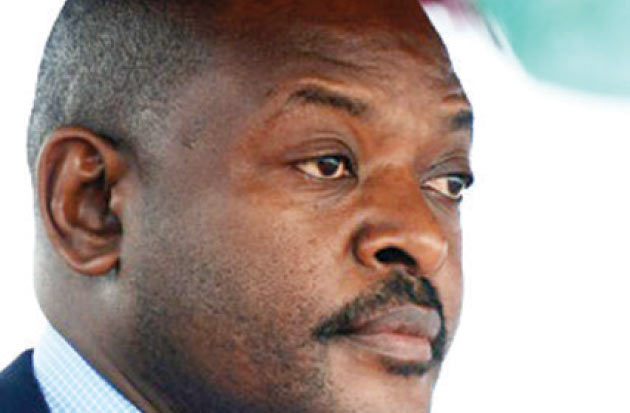

Bujumbura — Police in Burundi were out in force in the capital yesterday to block all attempts by protesters to take to the streets, witnesses said, two days before a scheduled parliamentary election.
After a night punctuated by sporadic gunshots, security forces were deployed throughout Bujumbura, which has seen more than a month of protests against President Pierre Nkurunziza’s controversial bid to stand for a third consecutive term.
The slightest sign of a group gathering was met with automatic weapons fire and the use of tear gas, AFP correspondents said.
Nkurunziza hopes to win a third term in a presidential vote due on 26 June, but opponents say his candidacy is unconstitutional and goes against the 2006 Arusha peace deal that ended 13 years of civil war.
Burundi’s electoral commission is meanwhile considering whether to hold the parliamentary vote on schedule tomorrow.
Nkurunziza survived a coup attempt last month and has since ignored international pressure, including aid cuts, aimed at forcing him to withdraw, or at least delay the vote.
Meanwhile, the United Nations is continuing its efforts to facilitate a dialogue among Burundian stakeholders amid the country’s ongoing political deadlock and a burgeoning humanitarian crisis, a spokesperson for the organisation announced today.
Briefing a press conference earlier this afternoon, UN Spokesperson Stéphane Dujarric said that the Secretary-General’s Special Envoy for the Great Lakes, Said Djinnit, had returned to the Burundian capital, Bujumbura, after attending the East African Community Summit on Sunday.
Djinnit’s return comes as the UN official seeks to reboot talks with Burundian stakeholders on ways to resume the consultative political dialogue.
Dujarric reported that Under-Secretary-General for Political Affairs, Jeffrey Feltman, had also recently met the First Vice-President of Burundi, Prosper Bazombanza, and endorsed the recommendations of the East African Summit which, he said, provided the government with an additional opportunity to create the conditions for peaceful and credible elections.
Moreover, Feltman had encouraged the Burundian Government to seize the opportunity to take concrete steps to ensure the security of the electoral process and of political and civil society actors, the disarmament of armed civilians, the strengthening of the national independent electoral commission (CENI), and the vote of refugees, Dujarric added.
The crisis in Burundi has not only led to growing tensions within the country but has also spawned a troubling humanitarian crisis across the region as thousands of Burundian refugees stream across the country’s borders and into neighbouring states such as Rwanda, Tanzania, and the Democratic Republic of the Congo (DRC).
Since early April, nearly 100,000 Burundians have fled their country, according to UN estimates. At the same time, a cholera epidemic striking refugees gathered along the shores of Lake Tanganyika in Tanzania has only added to the miseries of the unfolding humanitarian crisis.
The UN Spokesperson, meanwhile, reiterated the Organisation’s concern about the possibility of an escalation of violence throughout Burundi and reiterated the UN’s calls for calm and restraint while urging Burundians to express their views peacefully. — AFP


 Online Reporter