malvernmugadzikwa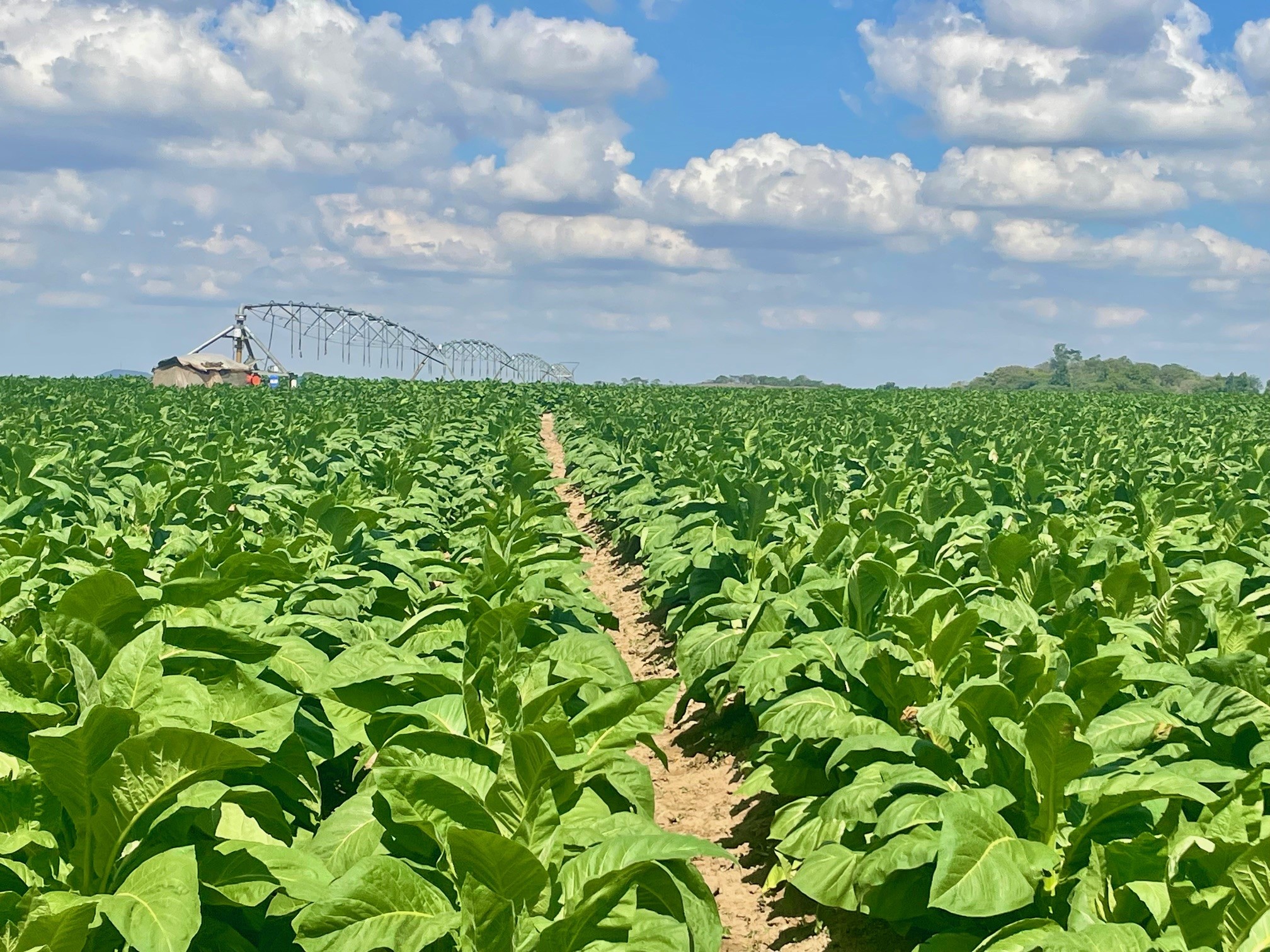
Word From The Market
Cliff Chiduku
AGRICULTURE has historically been the backbone of Zimbabwe’s economy.
The sector significantly contributes to the country’s Gross Domestic Product, employment creation, and food and nutrition security.
At some point, Zimbabwe was considered the “breadbasket of the region”, exporting considerable quantities of maize, tobacco and other crops.
To consolidate this position, the Government now seeks to transform small-scale agricultural production into a commercial business. Transitioning to a business-focused agricultural model has the potential to transform the sector, improving productivity, profitability and sustainability.
The Government, its agencies and partners have initiated a number of programmes that have seen farmers adopt a business approach to their farming enterprises to help boost production and profitability.
To complement Government efforts, the Agricultural Marketing Authority (AMA) has rolled out training programmes through which villagers at irrigation schemes, in village business units, in school business units and in youth business units are trained on marketing and taking farming as a business.
Market-led production refers to an agricultural strategy through which farmers produce crops and livestock based on market demand.
It is different from traditional or subsistence farming practices.
This approach requires farmers to have an appreciation of market trends, consumer preferences and price signals, allowing them to adjust their production plans accordingly. By aligning production with market demand, farmers can get better prices for their produce.
For example, if there is high demand for vegetables at mass markets, farmers who focus on producing these can get premium prices, leading to higher incomes.
Market-led production helps farmers diversify their crops and livestock based on market trends, reducing the risks associated with mono-cropping or post-harvest losses.
Diversification can protect farmers from price volatility and market saturation of a single commodity. Farmers engaged in market-led production are often seen by financial institutions as lower risk customers, making it easier for them to access loans. Financial institutions are more willing to lend to farmers with clear market linkages and production plans that promise profitability. Market-led production can also result in the establishment of thriving businesses, thereby creating jobs and boosting rural economies.
For instance, the demand for value-added products like dried fruits or dairy products can spur rural entrepreneurship and employment opportunities.
This leads to rural industrialisation and, ultimately, rural development.
By producing according to market demand, farmers can ensure a steady supply of diverse and nutritious food products.
This contributes to improved food and nutrition security at both household and national levels.
Market-led production encourages efficient use of resources such as water, land and energy. Farmers who adopt latest agricultural technologies usually optimise inputs, reduce waste and increase overall farm efficiency, leading to cost savings and environmental benefits.
Modern farming is not necessarily about land size; it is about productivity and profitability. Adopting a business approach to farming entails viewing and managing farms as enterprises.
Investment in latest technologies is also paramount. This is meant to ensure that farmers are financially literate.
It has emerged as a successful model in Zimbabwe, particularly in the tobacco, cotton, wheat, maize, sunflower, beans and horticulture sub-sectors.
Companies provide inputs and technical support to farmers in exchange for a guaranteed supply of produce.
This model reduces market risk for farmers and ensures steady incomes.
Cooperatives and clusters are also crucial in pushing for market-led production.
Clusters allow farmers to pool resources, share knowledge and access markets collectively.
Such arrangements enable members to negotiate better prices as a collective for their produce and invest in shared infrastructure.
The horticulture sub-sector in Zimbabwe provides a successful example of a market-led production model.
Farmers producing for export markets have adopted high-value crops like flowers, fruits and vegetables.
By meeting international standards and market demand, these farmers have accessed lucrative markets in Europe, Asia and the Middle East, significantly boosting their incomes.
There are emerging organic farming initiatives in Zimbabwe targeting niche markets locally and internationally.
Farmers involved in these initiatives produce organic vegetables, herbs and spices that cater for health-conscious customers.
These market-led efforts have not only increased farmers’ incomes but also promoted sustainable agricultural practices.
Market-led production presents a transformative opportunity for local farmers to enhance their economic viability.
By aligning agricultural practices with market demand, farmers can increase profitability, mitigate risks, create jobs and improve food security.
Transitioning from subsistence to commercial farming will definitely boost agricultural production, in pursuit of attaining an upper-middle-income economy by 2030.
Word From The Market is a column produced by AMA to promote market-driven agricultural production. Feedback: [email protected] or WhatsApp +263781706212.



 Online Reporter