admin
admin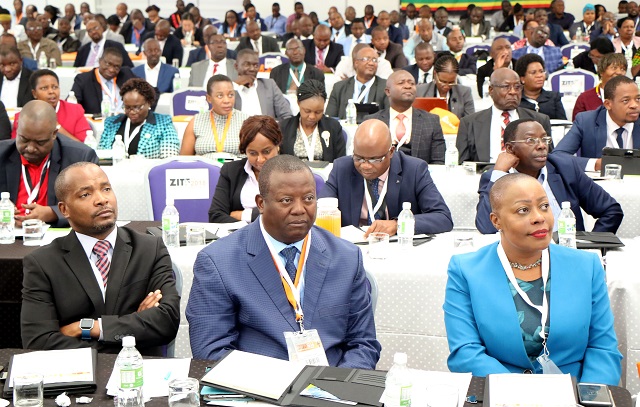
Oliver Kazunga, Senior Business Reporter
CAPTAINS of industry have called on Government to ensure there is equal treatment between local and foreign investors as the country adopts the “Zimbabwe is open for business” policy.
Due to re-engagement efforts being made under the new political order, Zimbabwe is presently overwhelmed with business inquiries from across the globe as investors are keen to open businesses in various economic sectors.
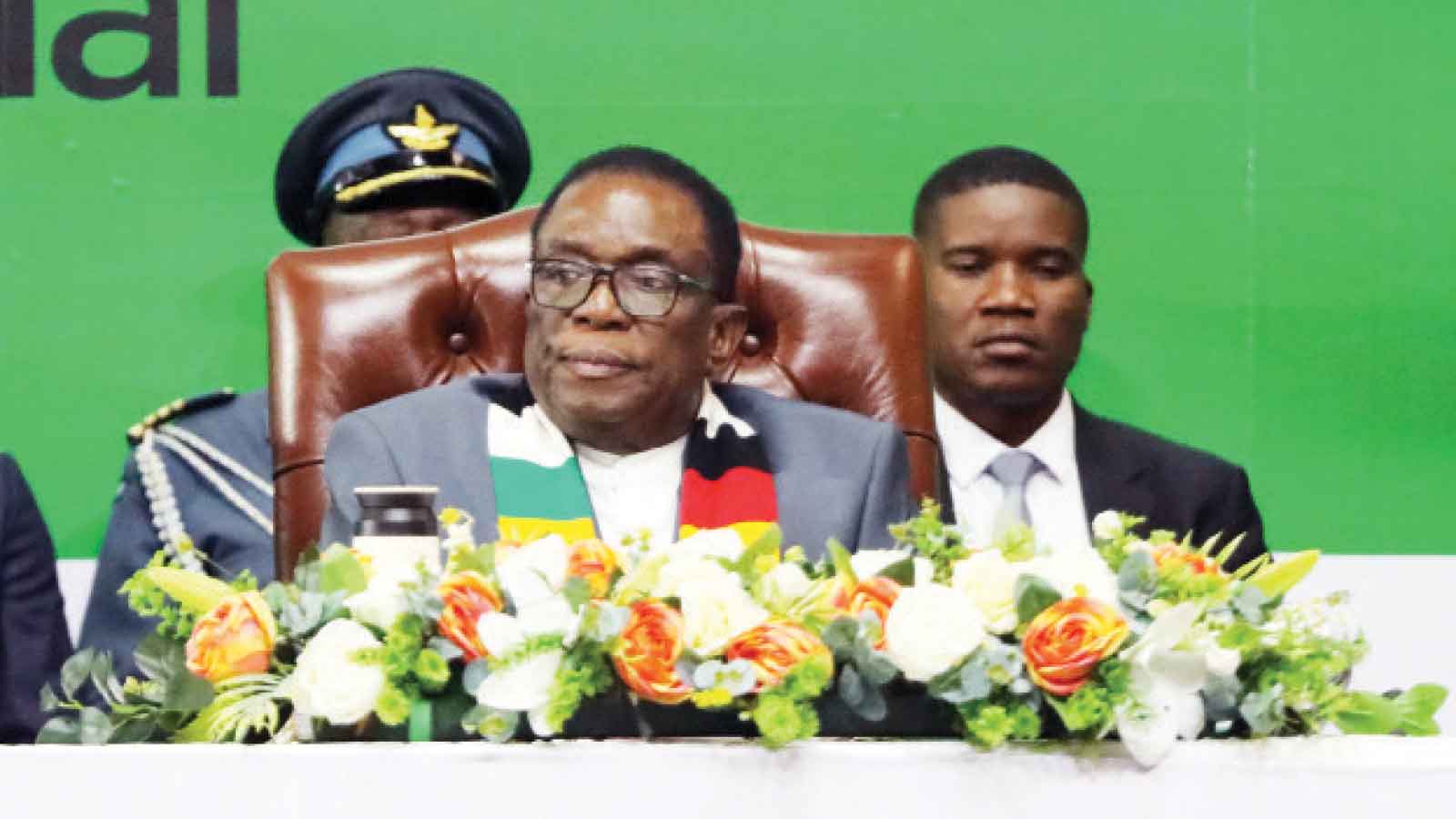
During a question and answer session after Vice President General Constantino Chiwenga (Retired) officially opened the Zimbabwe International Business Conference in Bulawayo yesterday, participants took turns to seek clarity on various policy issues.
Confederation of Zimbabwe Industries president, Mr Sifelani Jabangwe, said special treatment to foreign investors was detrimental to the survival of local companies.
“As new investors (foreign) come in, we would want the Government to ensure that there is equal treatment between local and foreign investors as Zimbabwe opens for business so that local businesspeople are not sidelined.
“The new investors should not get privileged conditions on investment as this will create a situation whereby local businesses become uncompetitive,” he said.
“What we are encouraging is that they must partner with already existing local business as they invest in the country.”
Industry executives noted the impact of Statutory Instrument 64 of 2016 was significant in enhancing local production in the manufacturing sector as well as ensuring efficient use of foreign currency.
They, however, sought clarity on the continuity of protection from Government going forward. The regulation, which was promulgated in June 2016, removed several goods from the Open General Import Licence with a view to protect local industry where it had capacity to meet demand.
Zimbabwe National Chamber of Commerce past president, Mr Obert Sibanda implored the Government to ensure implementation of capital projects is expedited.
“We have projects like Beitbridge-Bulawayo-Victoria Falls highway and in particular Beitbridge-Harare-Chirundu highway, which have been on the cards for more than two years.
An official representing one of the companies in the energy sector said they were being charged customs duty when importing solar power plant equipment, although the policy framework requires that no duty should apply on importation of such equipment.
“What we have learnt from the various workshops that we have attended is that Zimra officials cannot identify what a solar power plant product is as they can only identify a solar panel.
“Our plea is that if this can be looked into we can actually have a fast intake because if we have to pay duty, we can pass on that cost to the ordinary person and this then hampers the efforts of decentralising power,” said the official.
Standards Association of Zimbabwe president Dr Eve Gadzikwa said as Zimbabwe has signed a number of trade protocols such as the African Continental Free Trade Area (AfCFTA), it was also imperative for the country to have a common vision towards creating a robust economy.
“It is very important that we have our own vision, and Zimbabwe has a very ambitious target of achieving a middle income status by 2030. The question is what is the common vision for this to be possible, and what is the Government direction towards achieving that target?” she said.
The trade protocol was signed in Rwanda last month with a view of establishing a continental free trade area, which is widely seen as a crucial driver for economic growth, industrialisation and sustainable development.
@okazunga


 Online Reporter