Takunda Gambiza
Herald Reporter
LIQUID Intelligent Technologies has implored organisations to strengthen their cybersecurity systems as hackers increasingly exploit artificial intelligence (AI), stolen passwords, and trusted applications to gain access to networks and steal sensitive data.
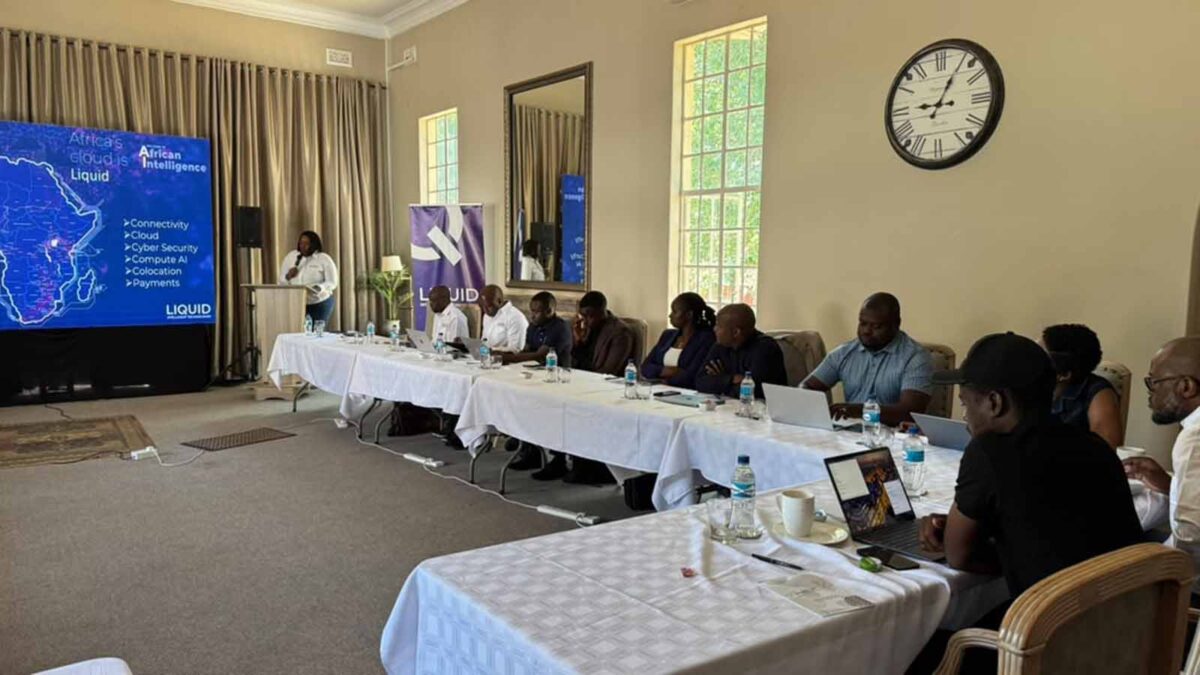
The warning was issued at a cybersecurity awareness event hosted by Liquid Intelligent Technologies in Harare as part of Cyber Security Awareness Month. Experts in attendance highlighted emerging cyberattack methods while indicating measures businesses can adopt to prevent, detect, and recover from these threats.
Liquid Intelligent Technologies said organisations need to adopt stronger security measures, regularly assess their systems, and prepare recovery plans to minimise the impact of breaches.
“Cyber security threats are part of our everyday business reality. Today is about awareness, resilience and, more importantly, action,” it said.
Speaking during the event, Sophos channel manager Mr Christopher Steyn said phishing emails remain a major threat, with attackers exploiting human error and using AI to make fraudulent messages more convincing. He said some hackers are also using information gathered from social media and other online platforms to create personalised messages that trick victims into revealing their passwords or opening malicious links.
“Phishing is still a big thing. It just takes one user to click on something or open something that they shouldn’t, and the organisation could be compromised,” said Mr Steyn.
Mr Steyn noted that organisations should establish recovery plans, practice them regularly, and ensure that a designated individual is responsible for monitoring their systems and responding to threats.
“There’s no silver bullet. There’s no vendor that can say that we are the best in everything, and if you go with us, we can protect you 100 percent,” he said.
Sophos senior pre-sales engineer Mr Lukas Palser said criminals are also impersonating IT support personnel to convince employees to install remote-access software, allowing attackers to take control of their computers. He said some attackers deliberately flood users with thousands of emails, prompting them to seek technical assistance before criminals posing as support staff offer to resolve the problem.
“That’s one of the biggest attacks we see, is IT support coming, pretending to be somebody and wanting to fix something,” Engineer Palser said.
Engineer Palser said organisations should verify software before installing it, restrict access to their systems, and enable two-factor authentication, which requires an additional verification step when logging in.
“Make sure that multi-factor authentication is enabled and that you’re not using unauthorised tools in your environment,” he said.
He also urged businesses to secure their backups and regularly test whether their data can be recovered after an attack, warning that hackers are increasingly targeting backup systems to prevent victims from restoring their information.