Online Reporter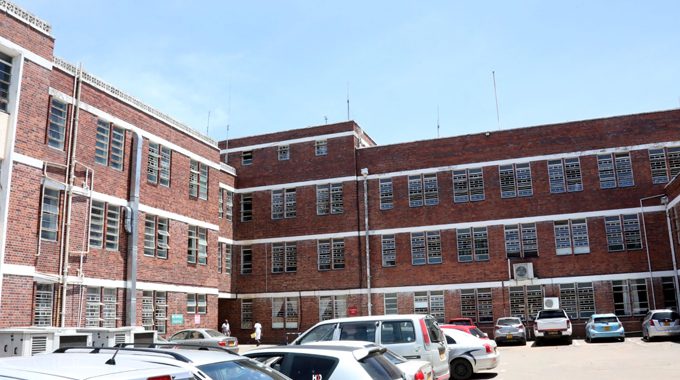
IN today’s lead story, we reveal how Treasury is channelling significant tax revenue into Bulawayo’s infrastructure rebirth, a strategic push with far-reaching consequences, squarely aligned with Vision 2030.
Walk through Cowdray Park in Bulawayo today, and you will feel a shift. A new Magistrate Court is rising. Across town, the walls of Ingutsheni Hospital are being rebuilt, not patched. At Mpilo Central Hospital, a ZiG405 million injection is turning a tired referral facility into a beacon of hope. At Nust, a Technovation Centre and a Central Library are taking shape, promising to birth the next generation of Zimbabwean innovators.
These cranes, these refurbishments, these solarised police stations and youth training centres in Sizinda and Insukamini are not charity. They are the tangible, physical proof of President Mnangagwa’s most powerful policy promise under the Second Republic: to leave no one and no place behind.
Devolution is not a slogan. It is a cheque that clears.
The Second Republic introduced a radical shift: 5 percent of the total national budget now flows directly to local authorities. For 2026, that translates to over ZiG14 billion (approximately US$518 million) in intergovernmental fiscal transfers. But the true revolution is not the total — it is the distribution.
Consider the numbers from Treasury. Ingutsheni Hospital: ZiG54 million. Mpilo Central Hospital: ZiG405 million. UBH Hospital refurbishment: ZiG54 million. UBH Water Reservoir: ZiG4.05 million. Schools of nursing rehabilitation: ZiG54 million. Digitisation of those same schools: ZiG14 billion. Nust Technovation Centre: ZiG5 million. Nust Central Library: ZiG45 million. Bulawayo Women Manufacturing Centre: ZiG10 million. Solarisation of ZRP: ZiG10 million. Cowdray Park Magistrate Court: ZiG4.5 million.
But where does this money come from? The answer is you.
Speaking at a tax education programme in Bulawayo last Friday, Ministry of Finance economist Mr Prosper Ngoni Rutsito made the connection unmistakably clear: “If the resources collected from taxation are fully utilised for the intended purposes and the budget is properly implemented, it has huge potential to contribute towards the achievement of equality, equity, inclusive economic growth and sustainable development.”
The President’s vision extends beyond brick and mortar. Under the devolution agenda, each province is expected to grow into a regional economic hub by identifying its comparative advantages. For Bulawayo, that means reviving its industrial heritage while embracing modern sectors like technology and manufacturing. The Women Manufacturing Centre and Nust’s Technovation Centre are not just buildings — they are statements of economic intent.
What about the sceptics?
There will always be those who claim this is electioneering, or that the funds are insufficient, or that the pace is too slow. They are entitled to their pessimism. But they cannot deny the cranes. They cannot deny the refurbished hospital wards.
The Second Republic has staked its legacy on a simple, powerful idea: Zimbabwe rises together or not at all. No province left to rust. No community left to beg. No citizen told that their tax money disappeared into a black hole in Harare.