admin
admin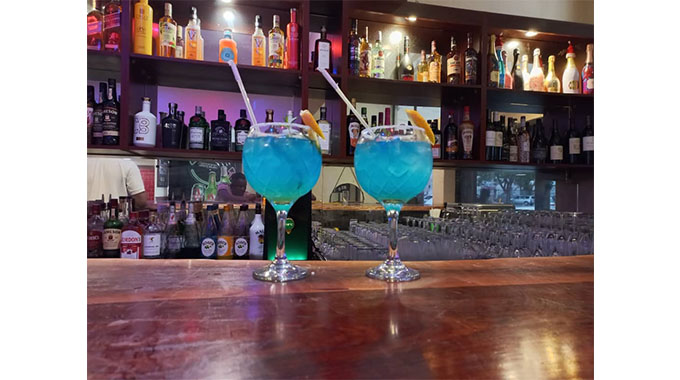
Drink of the week, with Peter Matika
THIS week we delve into the Brazilian Steakhouse — Carne Casa’s Caipirigin — a cocktail birthed during Covid-19. On the first sip you would mistake it for Belgravia’s Dry Lemon but alas it’s a cocktail.
The man behind the drink, Tyson Moyo said he created the cocktail in 2020, as he needed “liquid therapy”.
“You know 2020 was a hell of a time when we didn’t know whether we would live to see another day. It tastes like Belgravia Dry gin but it’s not. It is made of gin and lemon but it is fused with other ingredients,” said Tyson, an experienced barman who dabbles as a mixologist.
He has worked in bars in South Africa, Ireland and of course here in Zimbabwe.
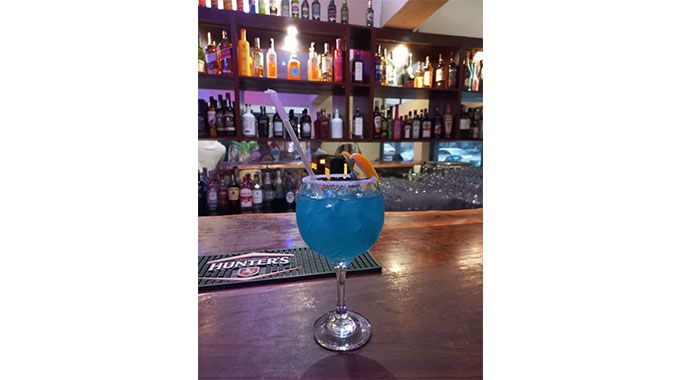
The Caipirigin is one of Carne Casa’s signature mélanges. It’s blue in colour, which makes it intriguing to the eye.
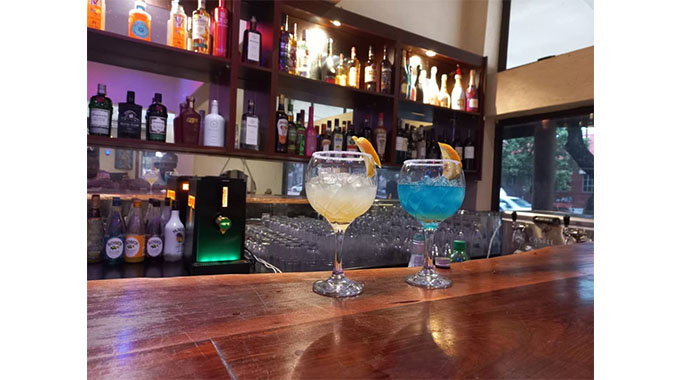
It is a blend of gin, depending on how much you can take, blue curacao, which Tyson says adds flavour and enhances larah citrus flavours. Lemonade for the fizz burst and of course you definitely cannot drink a warm cocktail, two servings of ice will suffice.
To top it off, the Caipirigin is garnished with lemon and mint. And of course it whacks one hell of a devilish punch!
“This is only served to people aged 18 and above,” says Tyson, who has an eight-year experience in the industry.
Once I took a sip of the cocktail, I was astounded by what my taste buds felt. Quite a lemony and fruity drink it is. An ideal drink for men but the lasses too can tolerate it. It’s a drink you can sip on while enjoying saucy and spicy finger foods like spicy wings, fish fingers and shrimp.
“This drink is ideal for any occasion. It’s zingy but delightful to your taste buds,” said Tyson.
So, for those who have little knowledge about cocktails here’s a short trip down history:
These alcoholic beverages made using spirits blended with other ingredients have been around since the 1800s, and there have been many changes to them since then.
Cocktails were initially inspired by British punches, which contained spirits, fruit juices, and spices in big bowls. The term “cocktail” was first seen on March 17, 1798, as referenced from a newspaper.
There are several theories around why cocktails are called cocktails, the most popular of which relates to horse racing.
Though the origin of mixed drinks can be traced to the 17th century, it wasn’t clear where, who, and how the original cocktail was created.
The first-ever reference to cocktails appeared in a spoof editorial in the Farmer’s Cabinet (Amherst, New Hampshire, April 28, 1803).
It talked of a lounge worker who, while nursing an 11am hangover, “Drank a glass of cocktail — excellent for the head . . .”
But it wasn’t until 1806 when The Balance and Columbian Repository of Hudson, New York pinned the definition down to what we know of cocktails today: “A stimulating liquor composed of any kind of sugar, water, and bitters.”
As cocktails made their way into becoming a social badge of honour during the Shakespearean times, developments into the mood-altering effects of booze turned mixing drinks and bartending into big news.
Cheers to this week’s drink and remember to behave responsibly this silly season.
If you have an establishment and think your drink has what it takes to be profiled, send an email to [email protected] or WhatsApp 0772337433.
l REMEMBER alcohol is not for sale to persons under the age of 18 and let’s not forget to drink responsibly.



 Online Reporter