admin
admin
Wilson Dakwa, Business Reporter
GOVERNMENT should fast track the introduction of a convertible currency to enhance trade competitiveness and promote the ease of doing business for import-based industries, , has said.
His sentiments come on the back of the liquidity crunch in the economy that continues to impact negatively on the productive sector. The situation has been worsened by cash shortages, which have seen businesses sourcing foreign exchange from the parallel market.
“It is high time we introduce a convertible currency, which will allow trade to take place in Zimbabwe and beyond so that we don’t only use the United States dollar (USD) and bond notes, which work internally because this has hugely affected trade for import-based organisations,” said Dr Dube.
“This can only be done through methodologies that support, say, a stabilisation fund from a local currency, which can then be supported by an international stabilisation fund. Such a currency will allow for trade to take place and catalyse trade growth.”
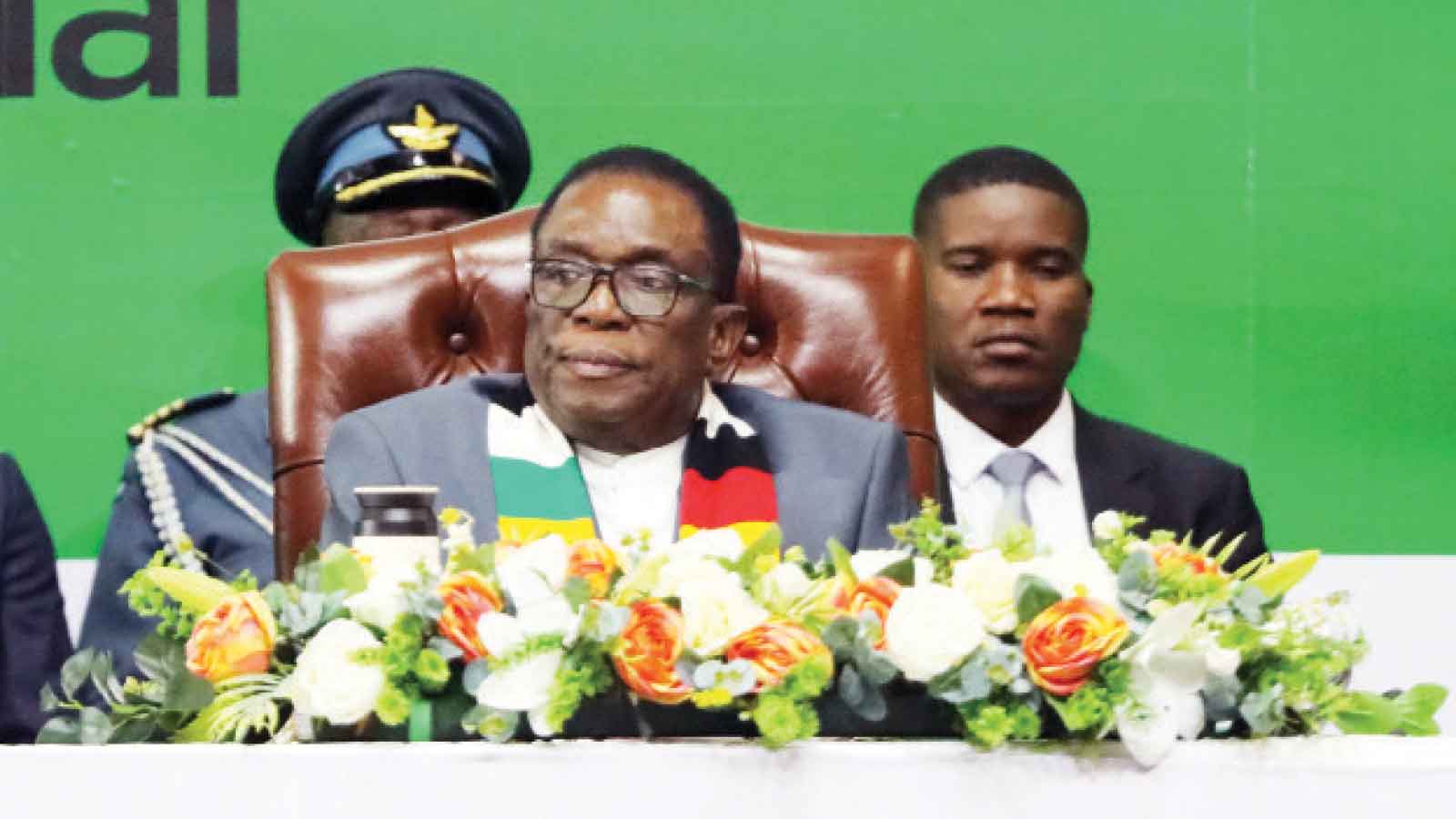
During his working visit to Zambia last month, President Emmerson Mnangagwa said Government was working around the clock to address necessary key macro-economic fundamentals, which will pave way for the introduction of a strong local currency.
Economic analyst, Dr Lucky Mlilo, weighed in saying there was a need for consistent Government policies that nurture constructive cooperation between the Government and the private sector.
“It is possible for us to achieve re-industrialisation in the near future but this can only happen when we reform policies, which hinder development. Any regional integration and industrialisation must be underpinned by political stability including the provision of adequate resources and skills,” he said.
“Zimbabwe doesn’t lack ideas on how to re-industrialise but without fundamental political reforms, industrialisation will be hindered.”
Dr Mlilo also stressed the need for import substitution and reducing high labour costs as this contribute to high pricing.
“Zimbabwe’s industrial sector is operating well below capacity due to several reasons with the main one being lack of access to working capital, competition from cheaper imports, high cost of electricity and fuel as well as foreign currency shortages.
“Our trade deficit for 2016 was $2.3 billion compared to $9.3 billion in 2015 and we continue to import an estimated 40 percent none essential goods, which can be manufactured locally.
“South Africa remains our main source of imports. We need to look into import substitution and value addition,” he said. — @WilsonDakwa1


 Online Reporter