admin
admin
donors who are withdrawing funding for HIV and Aids programmes.
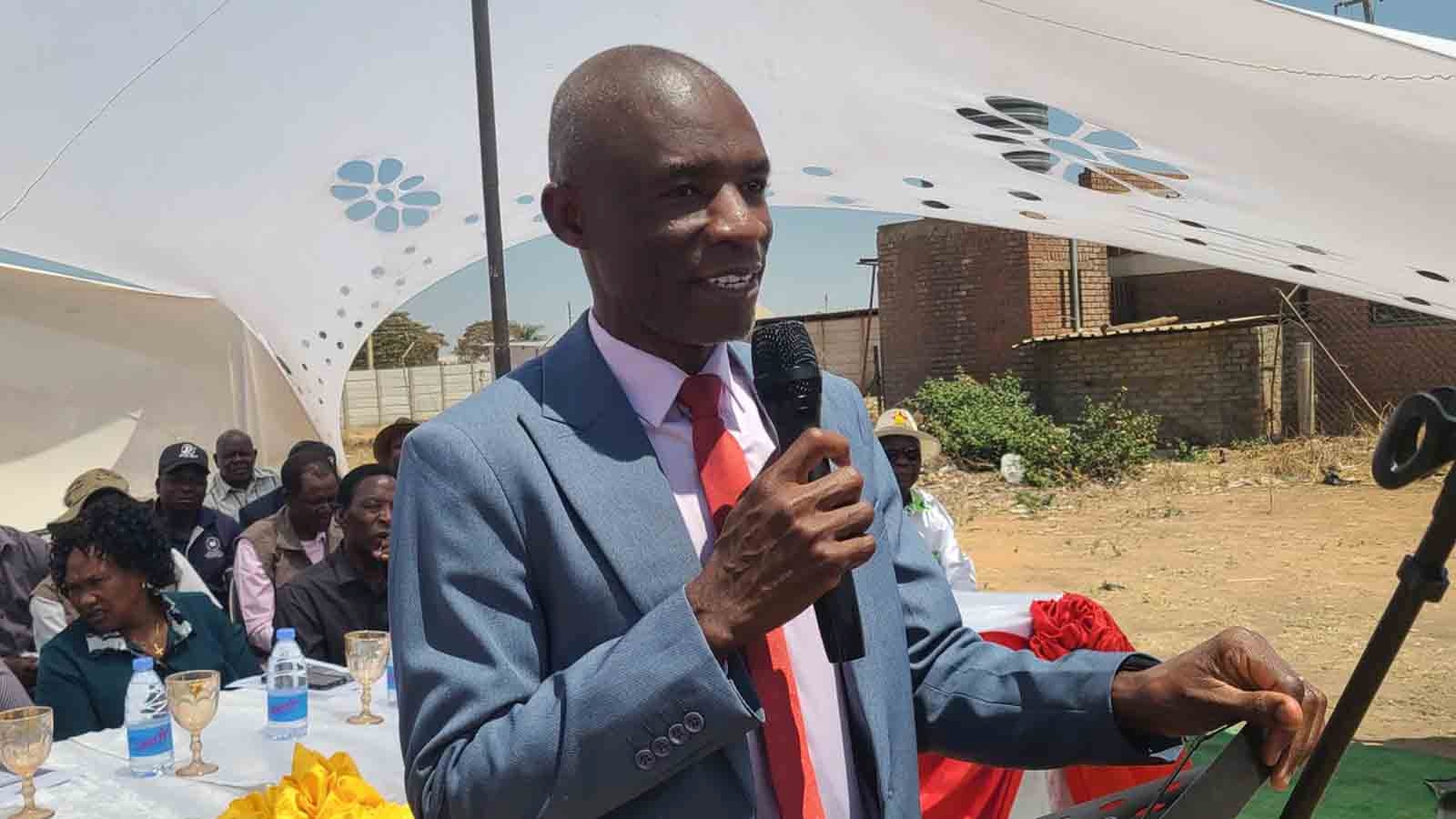
Speaking at World Aids Day commemorations in Mutare last week, Public Service Minister Lucia Matibenga said the withdrawal of funding was bound to worsen the HIV and Aids pandemic.
“The need for evidence informed high impact interventions has even become more urgent in view of dwindling resources for HIV/Aids programs due to the global economic crisis with consequent withdrawal of some donor funding.
“Major donors such as the MSF (Medecins Sans Frontieres) and the Expanded Support Programme (ESP) have already announced that they are pulling out.
“At the same time, the Global Fund has announced major cutbacks on committed funds and has cancelled Round 11. These major changes to the funding landscape will no doubt worsen the overall burden of the pandemic.
ALSO SEE
“It is now time for resolute leadership and I have no doubt that our leaders will once again rise to the occasion and prove their unwavering commitment to the national response to HIV and Aids,” she said.
Minister Matibenga said Zimbabwe, like other nations in the sub-region, remains heavily burdened by HIV and Aids that continue to pose a threat not only to our survival, but also to the developmental gains registered since independence in 1980.
She said the theme for the commemoration and campaign this year ‘Getting to Zero’, summarises the future direction of the global and national response in pursuit of: Zero New HIV infections, zero Aids-related deaths, and zero discrimination
“This year’s theme is the beginning of the future of our response to HIV and Aids. By focusing on the results that we must achieve, the theme is a call to action.
“We should now question ourselves and reflect on whether our current strategies and programmes are contributing to the achievement of the three zeros,” she said.
She said, Zimbabwe should never regard the national response as a success if it is still losing 1 000 people every week to Aids-related illnesses.
“Since 2004, Zimbabwe has recorded steady progress towards universal access to antiretroviral therapy, but this is not enough!
“The recent adoption of the World Health Organisation’s 2010 guidelines for ART has pushed the number of people in urgent need of ART higher, further stifling our financial position with regards to treatment.
“This, combined with the fact that a number of our strategic funding partners have indicated their intention to withdraw support, leaves us in a very precarious position,” Minister Matibenga said.
Minister Matibenga urged leaders at all levels, parents and relatives, especially men, to promote effective uptake and use of Prevention of Mother to Child Transmission (PMTCT) services.
Speaking at the same occasion, Health and Child Welfare Minister Dr Henry Madzorera challenged everyone to get tested for HIV.
National Aids Council board chairman Mr David Mutambara said to get to zero, there is need to strengthen collaboration and partnership in scaling up access and utilisation of HIV prevention services, antiretroviral therapy services and impact mitigation services.



 Online Reporter