Online Reporter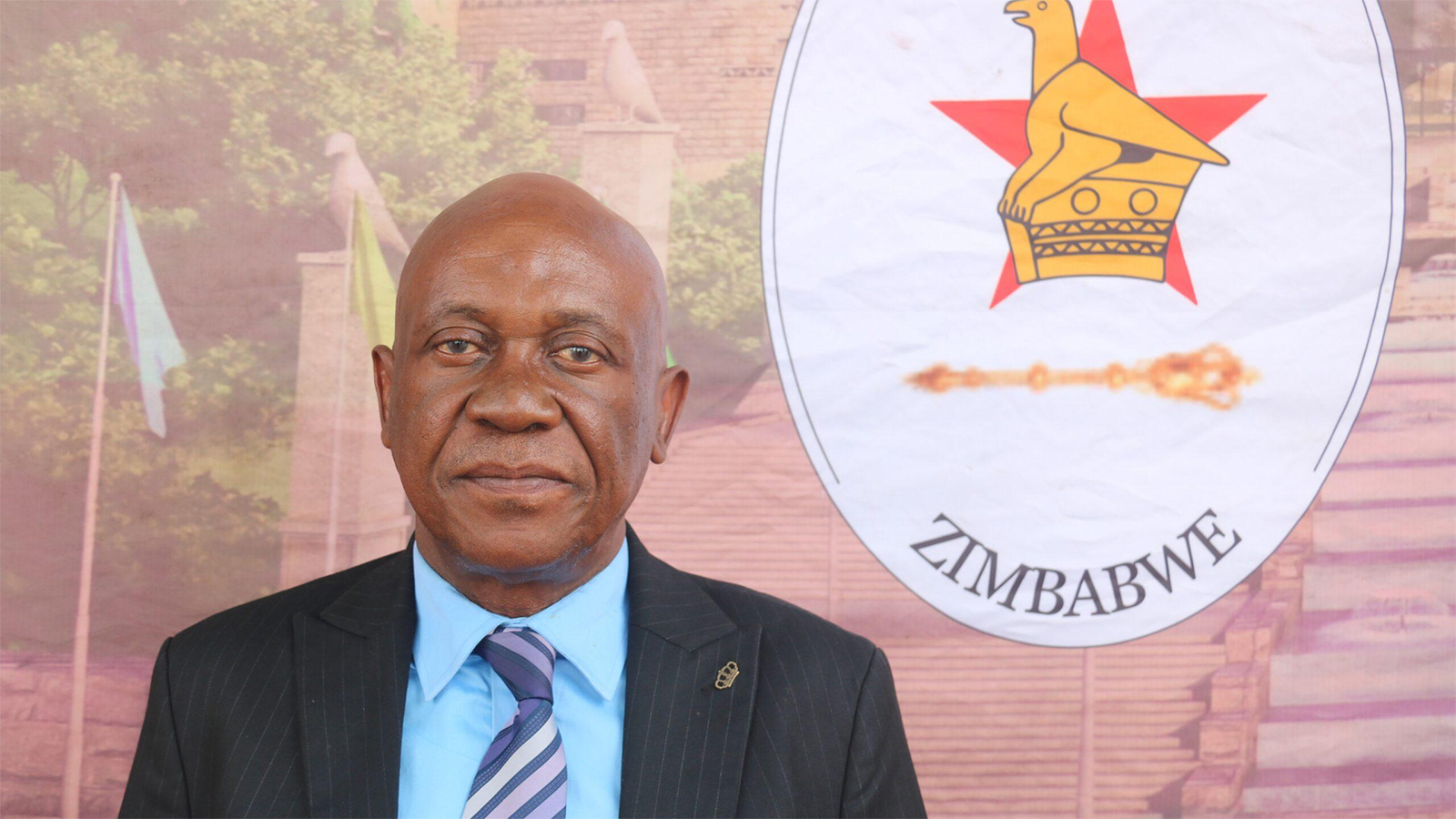
Zvamaida Murwira-Senior Reporter
LOCAL authorities should not be allowed to impose high fees and penalties on companies extracting resources in their areas, as that creates unnecessary financial barriers that stifle economic development in rural communities, legislators have heard.
This was said by the Parliamentary Legal Committee in the National Assembly recently while delivering an Adverse Report on Statutory Instrument 83 of 2025 for Uzumba Maramba Pfungwa Zvataida Rural District Council (Environmental and Natural Resources Conservation) by-laws.
Committee acting Chairperson and Masvingo Central MP, Dr Eddison Zvobgo, said the legal instrument by the rural district council introduced a wide array of provisions that went beyond the scope given to it by the Rural District Councils Act and the Constitution.
It was noted that the Rural District Councils stipulated that a local authority could not impose a fine exceeding Level 5, which is around US$300, yet the Statutory Instrument seeks to impose fines higher than what the law permits.
“According to the current standard scale, Level 5 is capped at US$300. Despite this clear legislative limit, Statutory Instrument 83 of 2025 introduces several penalties that exceed the Level 5 threshold, such as Section 10: Failure to submit Environmental Impact Assessment (EIA) documents – US$5 000, Section 11: Failure to rehabilitate the environment after project abandonment – US$5 000, Section 22: Pollution of water sources – US$1 000, Section 38: Mining without submitting a copy of the licence to Council – US$1 000.
These penalties are unauthorised, as they breach the statutory cap established under Section 113 of the Rural District Council Act. Statutory Instrument 83 of 2025 lacks the legal authority to impose fines beyond Level 5, rendering these provisions ultra vires the enabling Act,” said Dr Zvobgo.
It was also noted that the Statutory Instrument conferred powers on the Rural District Council to levy Environmental Impact Assessment Consultation Fees and Inspection Fees, which are already regulated under another legal provision, the Environmental Management Act.
“The Council’s attempt to impose parallel fees results in double regulation, which lacks statutory authority and undermines the constitutional principles of legal certainty, administrative fairness, and coherent governance,” reads the report.
It was said the Constitution outlined its founding values and principles, which are given legal force through various operative provisions.
“In particular, Section 3(1)(h) establishes good governance as a founding value, defined by principles such as transparency, justice, accountability, and responsiveness. These values are operationalised through provisions such as Sections 13 and 14 of the Constitution, which address matters of national development, empowerment, and employment creation, respectively,” said Dr Zvobgo.
He said the overreach directly contravenes Section 13 of the Constitution, which mandates the State and all its institutions to promote rapid and equitable development, including the facilitation of private initiative and self-reliance.
“By imposing duplicative and excessive fees such as the US$2,000 consultation charge, the Council creates financial barriers that deter investment and stifle local development, particularly in rural communities,” said Dr Zvobgo.
The Committee noted that the Constitution obliged the State and its agencies to empower the people, especially women and youth, by supporting employment creation.
“Overregulation through high and unauthorised fees disproportionately affects small-scale entrepreneurs and community-based projects, undermining inclusive economic participation and empowerment. The above also undermines the constitutional obligation to support employment and empowerment, especially for vulnerable groups,” said Dr Zvobgo.
The committee also noted that local authorities could not impose levies on mining firms extracting minerals in their areas, as that rested with the Mines and Mining Development Minister.
“The Rural District Councils Act [Chapter 29:13] does not authorise councils to regulate mining operations or impose levies on miners. Therefore, the provisions in Statutory Instrument 83 of 2025 are inconsistent with the enabling Act and breach the constitutional limits on delegated legislative authority,” reads the PLC report.
“In view of the foregoing considerations, the Committee found that Statutory Instrument 83 of 2025 is both ultra vires the Rural District Councils Act and unconstitutional. Statutory Instrument 83 of 2025 exceeds the scope of authority granted under Section 88(1) as read with the Second Schedule of the Rural District Councils Act [Chapter 29:13] and unlawfully assumes powers reserved for national legislation,” said Dr Zvobgo.