Online Reporter
Online Reporter
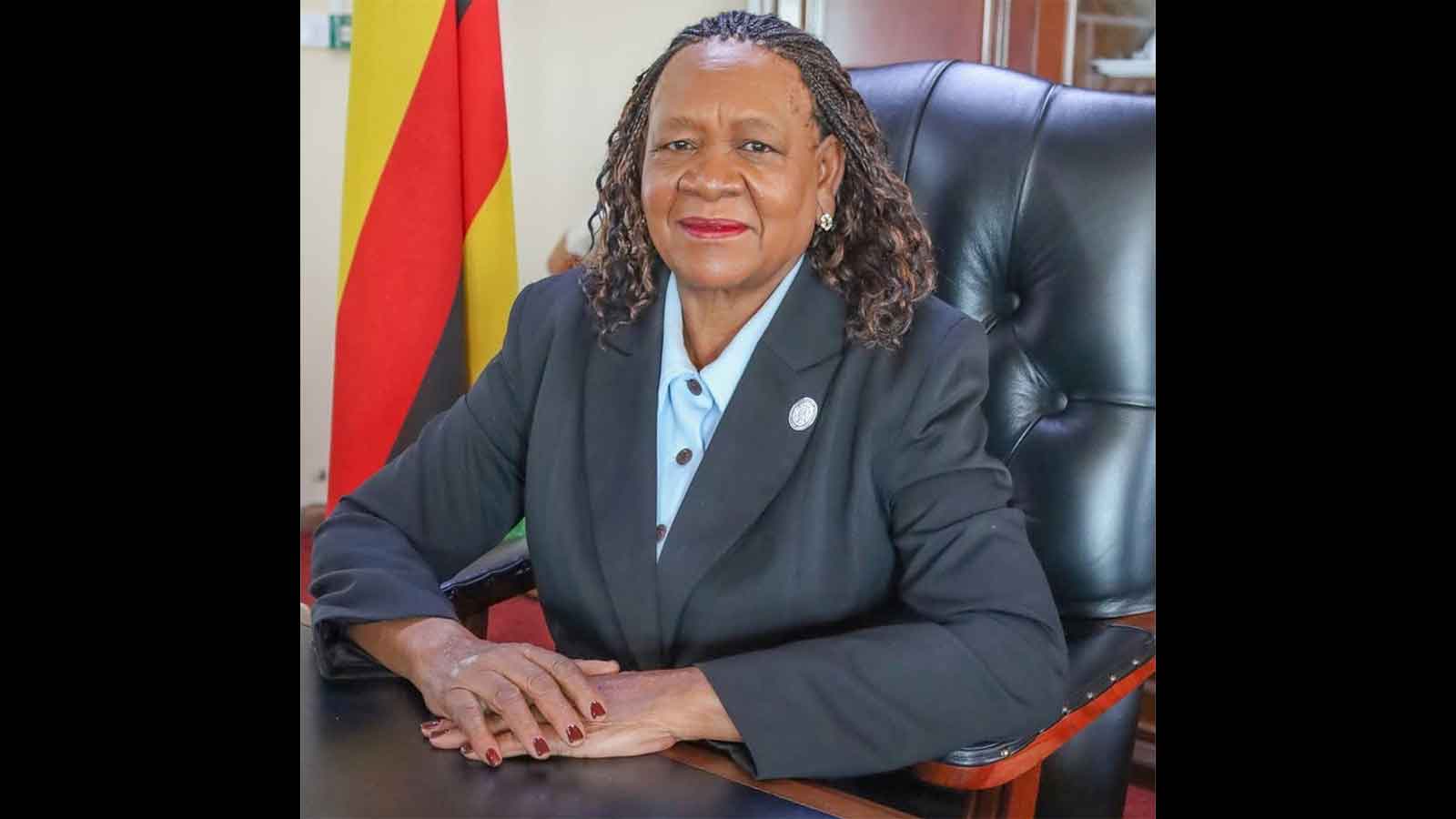
The appointment of Dr Thomas Utete Wushe as Permanent Secretary for Mines and Mining Development has placed renewed focus not only on the future of Zimbabwe’s mining sector, but also on the critical role of the media in shaping its narrative.
As one of the country’s most strategic economic pillars, the mining sector continues to anchor Zimbabwe’s ambitions towards achieving an upper-middle-income economy by 2030. However, realising this vision will require more than policy direction—it demands informed public discourse driven by accurate, transparent and responsible journalism.
The Association of Mining Journalists in Zimbabwe has already begun positioning itself as a key partner in this process, advocating for the professional development of journalists covering the sector.
Organising Secretary Vusumuzi Dube revealed that engagements with the Zimbabwe School of Mines are underway to establish specialised training programmes aimed at equipping journalists with technical expertise.
“The mining sector is complex, and without proper understanding, it becomes difficult for journalists to report accurately on critical issues such as production processes, investment trends and environmental sustainability,” he said.
Mr Dube noted that the success of such initiatives will depend on strong collaboration with the Ministry of Mines and Mining Development.
“We are ready to work closely with the Ministry. What is important now is support towards training programmes that will empower journalists to report with authority and depth.”
Meanwhile, President of the association, Tafadzwa Dube, emphasised that the quality of reporting will significantly influence how the sector is perceived both locally and internationally.
“The mining sector is too technical to be reported superficially. There is a need for deliberate investment in training so that journalists can fully understand and interpret developments within the industry,” he said.
He added that partnerships with training institutions will be essential in bridging the knowledge gap.
“Zimbabwe has the institutions, the expertise and the potential. What we need now is coordinated effort to ensure journalists are not left behind in this critical sector.”
Analysts argue that the intersection between governance and information dissemination will define the next phase of the mining sector’s growth. In this regard, Dr Wushe’s tenure presents an opportunity to strengthen not only policy implementation but also stakeholder engagement—including the media.
Beyond reporting, journalists are increasingly being called upon to play a developmental role by highlighting opportunities, exposing inefficiencies and promoting accountability within the sector.
“If we do not tell our own story as Zimbabweans, others will tell it for us—often without full context,” said Mr Dube, stressing the importance of ownership in national storytelling.
As the mining sector evolves, the demand for specialised journalism is expected to grow, making training and collaboration central to the broader development agenda.
Dr Wushe’s appointment may therefore mark more than just a leadership transition—it could signal the beginning of a more informed, transparent and strategically aligned mining ecosystem in Zimbabwe.