Chronicle Editor
Thandeka Moyo-Ndlovu, [email protected]
GOVERNMENT has been urged to regulate prices for sanitary wear to help end period poverty.
This comes at a time when Zimbabwe joined the world in commemorating menstrual hygiene day which is marked on May 28 annually to raise awareness on how communities can take part in ending period poverty. Research has shown that failure to access menstrual hygiene materials such as tampons and sanitary wear, among others, is leading to high school dropout rates, absenteeism and low pass rates for many teenage girls, especially in rural communities and peri-urban areas where communities are the hardest hit by price increases.
A local activist who is also an international menstrual hygiene management trainer Ms Lindile Ndebele said Government should also regulate prices for sanitary wear to help end period poverty.
She said just like mealie-meal, sugar and cooking oil, pads are basic goods needed by girls and women hence the need for sustainable prices.
She said for a long time women and girls have suffered forcing them to resort to alternatives that put their lives at risk.
“This day comes as a painful reminder of women and girls who have been menstruating without access to sanitary wear. As we face tough economic times, there have been outcries over increases in commodity prices and surprisingly that list doesn’t include pads, tampons and cotton wool,” said Ms Ndebele.
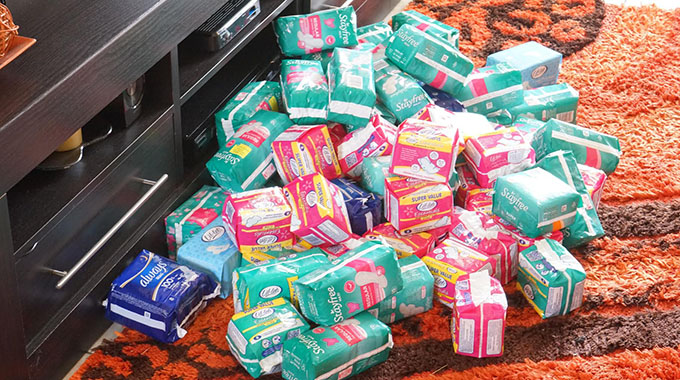
“As women we call on our Government to help us end period poverty by also regulating prices for sanitary wear. We call on households, schools and communities to budget for pads so that we don’t force women and girls into using dangerous alternatives. School development committees should also think about providing pads to vulnerable girls whose lives may be changed for good if they have easy access to such necessities,”
The founder of Girl Talk Zimbabwe, Ms Anitta Nesh said it is her dream to end period poverty in vulnerable communities, especially those in rural areas.
She held a pad drive on Africa Day as a gentle reminder to everyone that together, the community can end period poverty and make life more bearable for the girl child.



 Online Reporter